Let’s dive right into the all-wheel-drive system of the Geely Monjaro. First, we’ll look at the design itself. The Monjaro utilizes a sophisticated system, not just a simple part-time four-wheel-drive setup. It’s a more intelligent system that constantly monitors driving conditions and adjusts the power distribution accordingly. This means you get optimal traction in various situations, from slippery roads to challenging off-road terrain. The system isn’t just about sending power to the rear wheels when the front wheels slip; it’s a proactive system that anticipates wheel slip and adjusts power distribution before it even becomes a problem. This is achieved through a complex interplay of sensors and sophisticated electronic control units. These sensors constantly monitor things like wheel speed, steering angle, throttle position, and even the road surface. This data is then fed into the control unit, which makes incredibly fast calculations to determine the optimal power distribution between the front and rear axles. The system is designed to be seamless, so you’ll barely notice it working its magic, unless you’re pushing the car to its limits. The overall design prioritizes both on-road comfort and off-road capability, a testament to Geely’s engineering prowess.
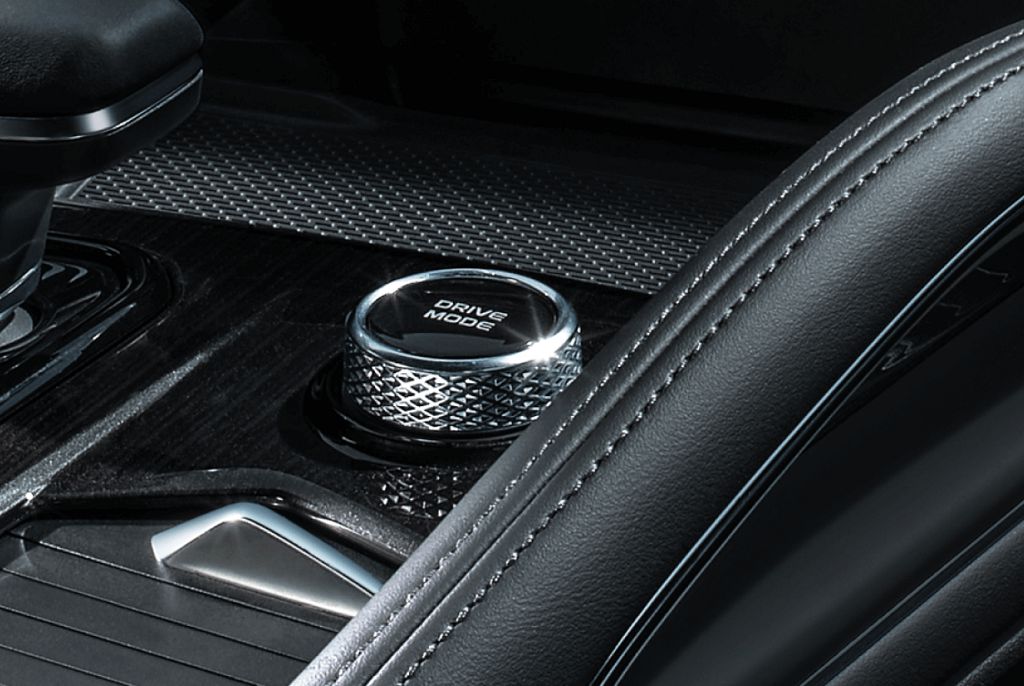
Now, let’s talk about how you control this impressive all-wheel-drive system. Unlike some systems with multiple driving modes selected via a rotary dial or buttons, the Monjaro’s system is largely automatic. However, there are still driver selectable modes that allow you to tailor the system’s behavior to specific conditions. You’ll typically find options like «Normal,» «Eco,» «Sport,» and potentially an «Off-Road» mode. These modes alter the throttle response, transmission shifting, and, most importantly, the all-wheel-drive system’s behavior. In «Normal» mode, the system prioritizes fuel efficiency and smooth operation. «Eco» mode further enhances fuel economy by limiting power delivery. «Sport» mode sharpens the throttle response and allows for more aggressive power distribution to the wheels, enhancing acceleration and handling. The «Off-Road» mode, if available, will adjust the power distribution to maximize traction on loose surfaces, providing more torque to the wheels with the best grip. The beauty of this system is that even within these modes, the underlying all-wheel-drive system is constantly adapting to the conditions, ensuring optimal traction and stability.
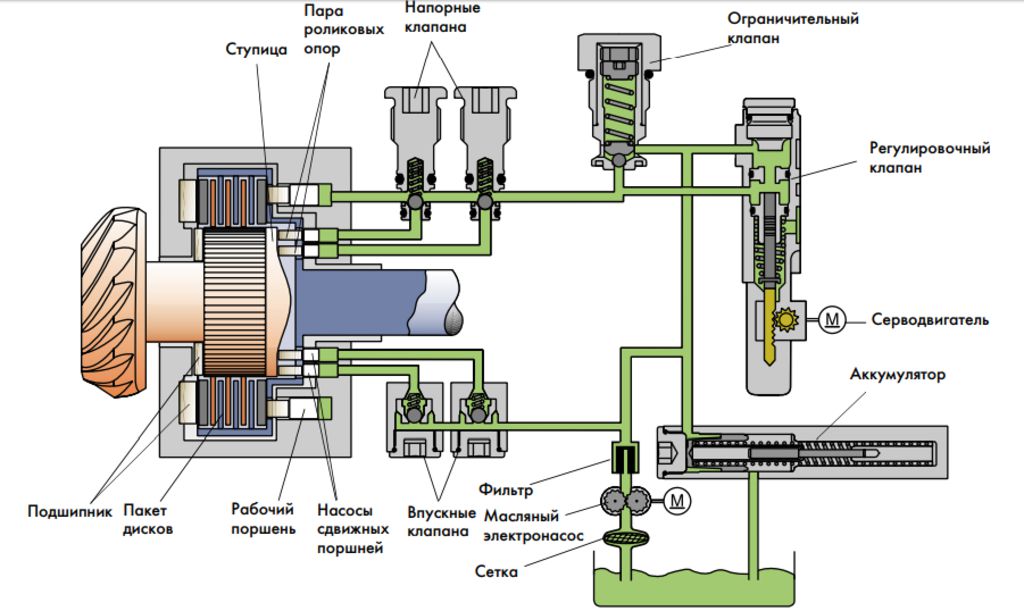
Finally, let’s delve into the all-wheel-drive clutch circuit diagram. This is where things get a little more technical, but I’ll try to explain it in a way that’s easy to understand. The heart of the system is a sophisticated multi-plate clutch. This clutch is electronically controlled and allows for variable power distribution between the front and rear axles. The diagram itself will show the various components, including the clutch itself, the hydraulic actuators that control the clutch plates, the sensors that monitor wheel speed and other parameters, and the electronic control unit (ECU) that orchestrates the entire operation. You’ll see how the ECU receives data from the various sensors and uses this information to adjust the engagement of the clutch plates. This allows for a seamless and precise distribution of power, ensuring optimal traction in all conditions. Understanding this diagram will give you a deeper appreciation for the complexity and sophistication of the Monjaro’s all-wheel-drive system. Remember, this is a simplified explanation, and the actual diagram will be far more detailed, showing the intricate network of hydraulic lines, electrical connections, and control algorithms that make this system work. But hopefully, this gives you a good foundational understanding of how it all fits together.
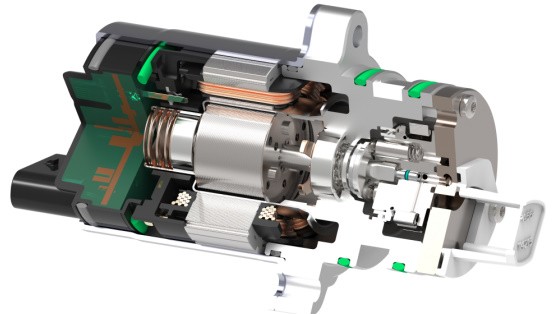
Okay, let’s dive straight into the heart of the Geely Monjaro’s all-wheel-drive system. We’re talking specifically about that BorgWarner GenVI all-wheel-drive clutch – a pretty sophisticated piece of kit. It’s the brains of the operation, the component that decides how much power goes to the front wheels versus the rear wheels, and it does it all seamlessly, adapting to the conditions on the fly. We’re not just going to look at a diagram; we’re going to get up close and personal with this thing, showing you exactly how it works. We’ll explore its internal components, the different plates and actuators, and how they interact to distribute torque. Think of it as a high-tech, constantly adjusting differential, ensuring optimal traction in virtually any situation. We’ll even show you some cutaway diagrams and slow-motion footage to really illustrate the mechanics involved. It’s fascinating stuff, and understanding how it works will give you a much deeper appreciation for the capabilities of your Monjaro.
Now, let’s talk about the operating materials. This isn’t just about the clutch itself; it’s about the entire system. We’re talking about the sophisticated electronic control unit (ECU), the various sensors monitoring wheel speed, traction, and slip, and the hydraulic system that actually controls the clutch engagement. We’ll break down each component, explaining its role in the overall system. We’ll look at the type of oil used in the system, its viscosity, and its importance in ensuring smooth and efficient operation. We’ll also discuss the importance of regular maintenance and the potential consequences of neglecting this crucial aspect of your all-wheel-drive system. Think of it as the lifeblood of the system – keeping it healthy is paramount. We’ll even show you what to look for during a visual inspection, so you can catch potential problems early.
Finally, let’s get our hands dirty and put this knowledge into practice. We’ll take the Geely Monjaro out for a test drive, demonstrating the all-wheel-drive system in action. We’ll tackle various terrains – from loose gravel and slippery mud to snow and ice (weather permitting, of course!). You’ll see firsthand how the system reacts to different conditions, how quickly it adapts, and how effectively it maintains traction. We’ll show you how the system behaves during acceleration, braking, and cornering, highlighting the benefits of having all-wheel drive. We’ll also discuss the different driving modes and how they affect the all-wheel-drive system’s behavior. This is where the theory meets reality, and you’ll see the tangible benefits of this advanced technology. We’ll even show you some onboard footage from the vehicle’s sensors, giving you a real-time view of how the system is working to keep you safe and in control. This is the ultimate test, and it’s going to be exciting!