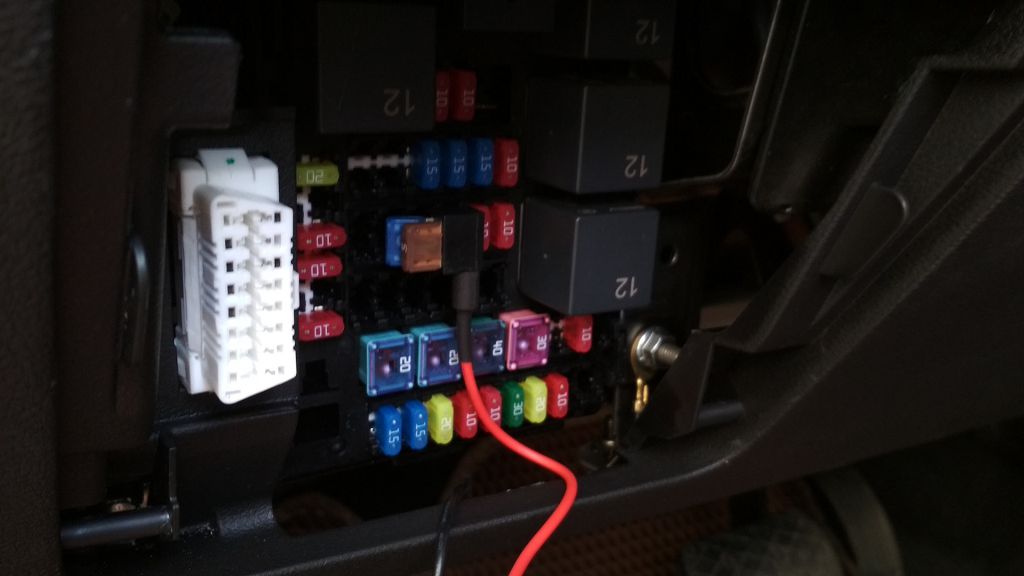
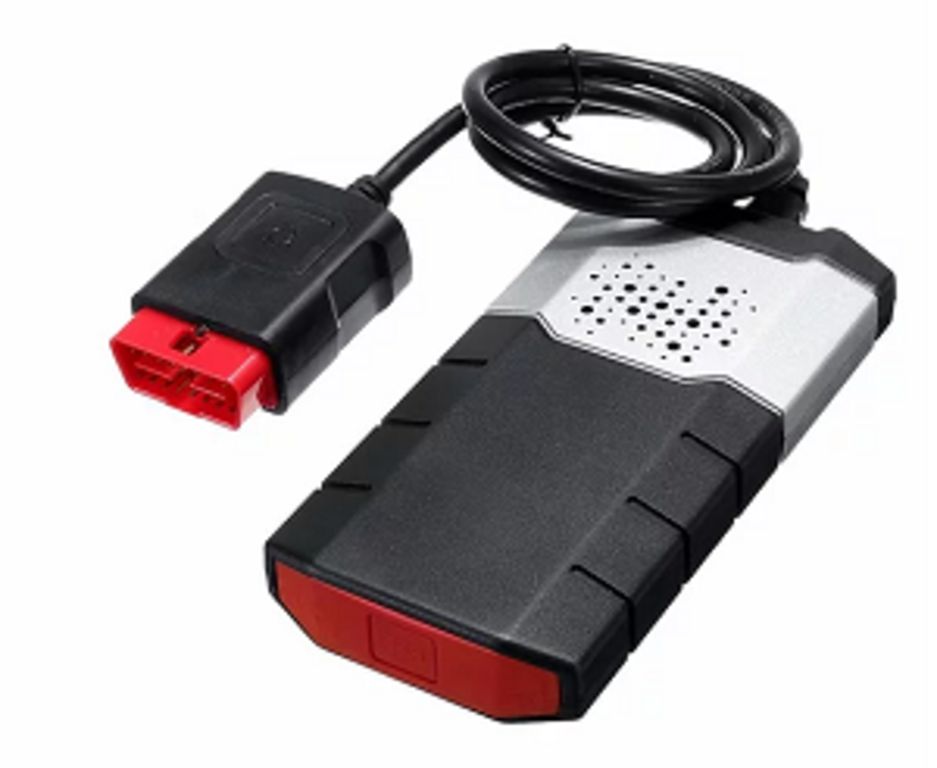
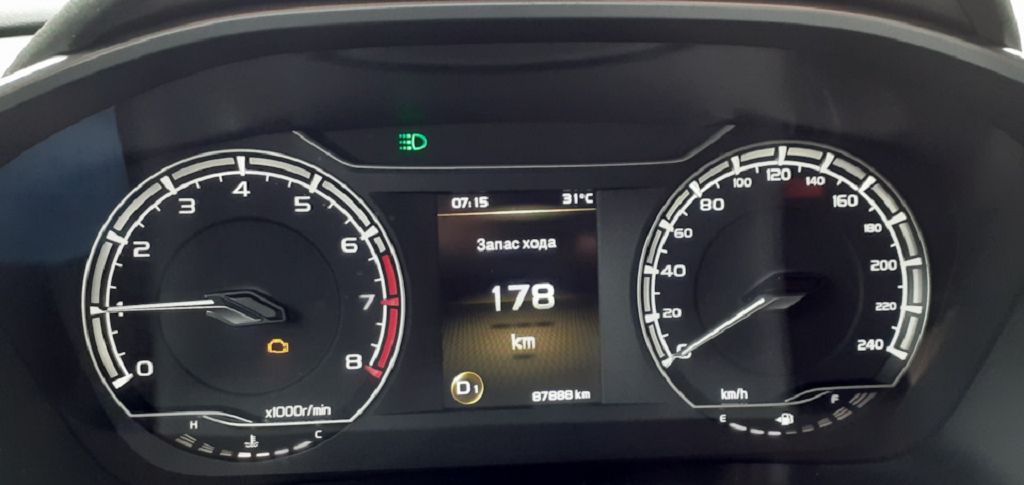
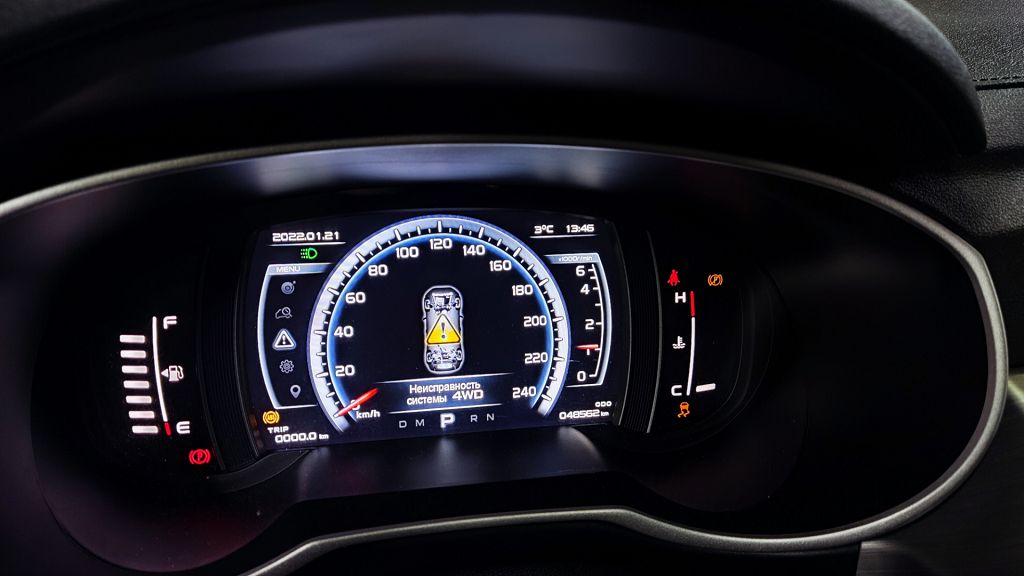
Hey everyone, let’s dive into some common Geely Atlas error codes. We’re going to tackle a few today, focusing on how to understand them and what they might mean for your vehicle. First up, we’ll look at reading those codes on your Geely Atlas. It’s crucial to know how to access this information, because it’s your first step in diagnosing any problem. Most Geely Atlas models use an onboard diagnostic system, or OBD-II system, which allows you to retrieve these error codes. You’ll typically need an OBD-II scanner, which you can find relatively inexpensively online or at most auto parts stores. Once you’ve plugged it in, follow the instructions specific to your scanner to retrieve the codes. Don’t worry if it seems complicated at first; there are plenty of online tutorials that can walk you through the process step-by-step. Remember to consult your owner’s manual as well, as it might have specific instructions for your model year. Understanding how to read these codes is the foundation for effective troubleshooting. Getting familiar with this process will save you time and money in the long run.
Now, let’s get into a specific error code: P-ZERO-FOUR-TWENTY, or P0420. This code usually points towards a problem with your catalytic converter. The catalytic converter is a crucial part of your exhaust system, responsible for converting harmful emissions into less harmful ones. A P0420 code suggests that your catalytic converter isn’t working as efficiently as it should. There are several reasons why this might be happening. It could be a failing catalytic converter itself, which unfortunately is often an expensive repair. However, before you panic and start budgeting for a new one, let’s explore some other possibilities. Sometimes, a faulty oxygen sensor can trigger this code. Oxygen sensors monitor the exhaust gases and provide feedback to the engine’s computer. A malfunctioning sensor can send inaccurate readings, leading to the P0420 code. Another potential culprit could be an exhaust leak before the catalytic converter. A leak can disrupt the flow of exhaust gases, affecting the converter’s efficiency and triggering the code. So, before you jump to conclusions and replace the catalytic converter, it’s essential to have a mechanic properly diagnose the issue. They can perform tests to pinpoint the exact cause and recommend the most appropriate solution. Remember, a proper diagnosis is key to avoiding unnecessary expenses. Don’t just assume it’s the catalytic converter; get a professional opinion.
So, let’s dive straight into those pesky Geely Atlas error codes. First up, we’ve got the dreaded P0700. Now, this one’s a bit of a general transmission control system malfunction code. It doesn’t pinpoint a specific problem, which can be frustrating, I know. Think of it like getting a «check engine» light – it tells you something’s wrong, but not exactly what. With P0700, you could be looking at anything from a faulty transmission range sensor, a problem with the shift solenoids, or even a failing transmission control module itself. The key here is to get a proper diagnostic scan done. A basic OBDII scanner might give you the P0700, but a more advanced scan tool will often provide more specific information, pointing you towards the actual culprit. Don’t just jump to conclusions and start replacing parts willy-nilly; that’s a costly mistake. A professional mechanic with the right tools can save you a lot of time and money. They can run a thorough diagnostic test, check the transmission fluid levels and condition, and identify the root cause of the problem. Remember, ignoring a P0700 could lead to more serious transmission issues down the line.
Next, we’ve got the U160 and E30 codes. These are often linked, and they usually point to a communication problem within the vehicle’s electronic control units, or ECUs. Think of the ECUs as the brains of your car – they control everything from the engine to the transmission, and they all need to talk to each other. When you get a U160 or E30, it suggests a breakdown in this communication. This could be due to a faulty CAN bus – the network that allows these ECUs to communicate – or a problem with one of the ECUs themselves. It could be a wiring issue, a damaged connector, or even a failing ECU. Again, a proper diagnostic scan is crucial here. The mechanic will need to check the wiring harnesses, connectors, and the ECUs themselves to pinpoint the source of the communication failure. Sometimes, a simple connector cleaning might solve the problem. Other times, it might require replacing a faulty component. Don’t underestimate the importance of a thorough inspection in this case. A seemingly minor wiring fault can cause a cascade of problems.
Now, let’s talk about the P0420 code. This one usually indicates a problem with your catalytic converter. The catalytic converter is a crucial part of your exhaust system, responsible for reducing harmful emissions. A P0420 code suggests that your catalytic converter isn’t working efficiently. This could be due to a number of reasons, including a failing converter itself, a problem with the oxygen sensors, or even a leak in the exhaust system. Before you rush out and buy a new catalytic converter, which can be quite expensive, it’s important to get a proper diagnosis. A mechanic can check the oxygen sensor readings, inspect the exhaust system for leaks, and assess the condition of the catalytic converter itself. Sometimes, a simple repair, like fixing an exhaust leak, can resolve the issue. Other times, a replacement catalytic converter might be necessary. But remember, getting a proper diagnosis first will save you from potentially unnecessary expenses. Ignoring a P0420 could lead to further damage to your exhaust system and potentially even affect your vehicle’s performance.