So, you’re looking at a Geely Emgrand EC7 and wondering about the transmission options? Let’s dive into the available choices: manual and variator. There’s no oil-based transmission in this model, so we can put that one to rest right away.
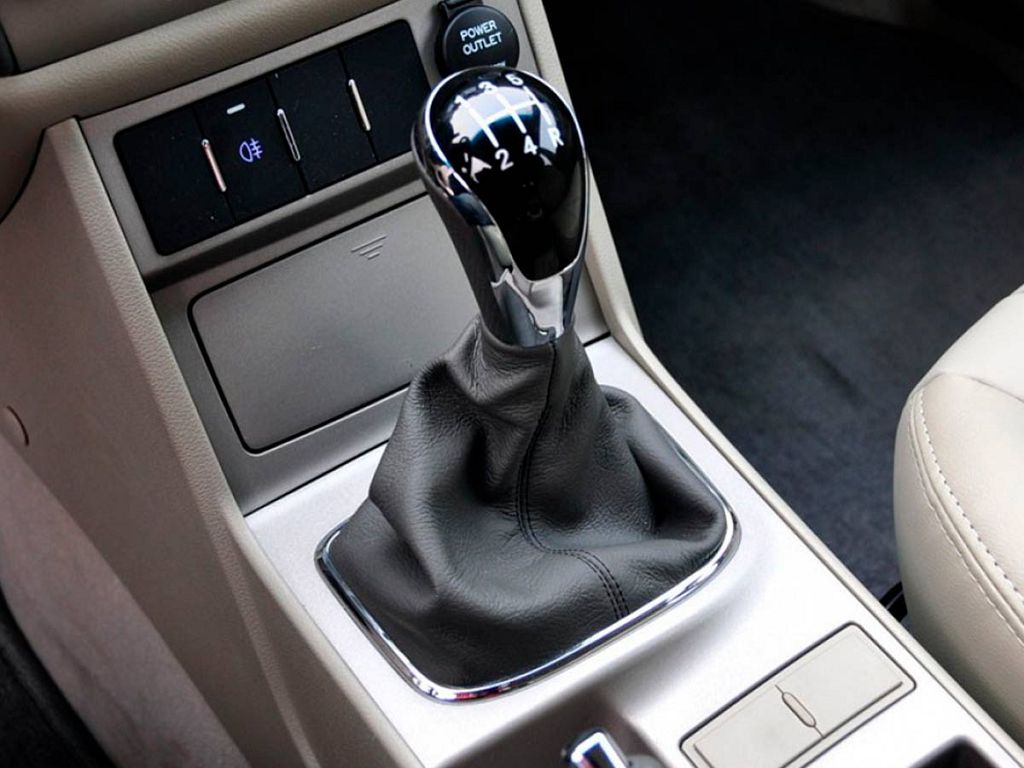
First, let’s talk about the manual transmission. This is the classic, tried-and-true option. You’re in complete control of the gears, which gives you a more direct driving experience. Many drivers appreciate the feeling of being connected to the car, and the manual gearbox can offer better fuel economy, especially if you’re a skilled driver who can optimize gear changes. However, it does require more effort and skill than an automatic transmission. You’ll need to be comfortable with clutch control, gear shifting, and coordinating all that with the accelerator and brakes. It’s also worth noting that driving a manual in heavy traffic can be more tiring than an automatic. Think about your driving style and the type of environment you’ll be driving in most often. If you enjoy a more engaging driving experience and don’t mind the extra effort, the manual transmission might be a great fit for you. Consider factors like your daily commute and the overall traffic conditions in your area. A manual might be perfect for someone who enjoys spirited driving on open roads, but less ideal for someone who spends a lot of time stuck in stop-and-go traffic.
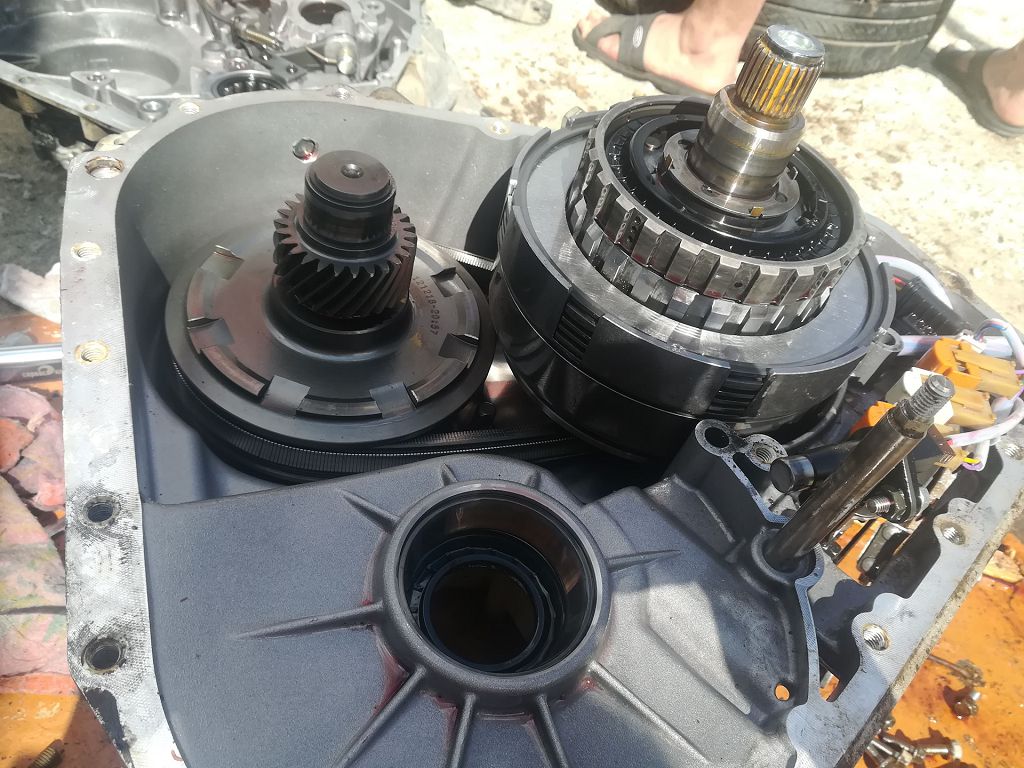
Now, let’s move on to the variator, also known as a continuously variable transmission or CVT. The CVT in the Geely Emgrand EC7 offers a smoother, more relaxed driving experience. Unlike a traditional automatic transmission with distinct gear steps, the CVT continuously adjusts the gear ratio for optimal engine performance. This results in a seamless acceleration and a quieter ride. You won’t feel those distinct shifts that you get with a traditional automatic, making it particularly comfortable for city driving. Fuel efficiency is generally good with a CVT, as the engine is always operating at its most efficient RPM range. However, some drivers find the CVT’s responsiveness a bit less engaging than a manual or even a traditional automatic. The constant engine speed can sometimes feel a little «rubber-bandy,» especially during acceleration. It’s a different driving feel, so it’s important to test drive both options if possible to see which one you prefer. Consider your priorities: Do you value smooth, effortless driving, or do you prefer a more direct and engaging driving experience? The answer to that question will heavily influence your choice between the manual and the CVT. Think about your typical driving conditions and how important things like fuel economy and ease of driving are to you.
Ultimately, the best choice between a manual and a variator transmission for the Geely Emgrand EC7 depends entirely on your personal preferences and driving habits. There’s no single «right» answer – it’s all about finding the transmission that best suits your needs and driving style. Take the time to consider the pros and cons of each option carefully before making your decision. Remember to test drive both if you have the opportunity. This will give you the best feel for which transmission is the right fit for you.
So, you’re wondering about the gearbox options for the Geely Emgrand EC7 – manual or variator? It’s a pretty common question, and honestly, there’s no single right answer. It really depends on what you prioritize in a car. Let’s dive into what owners have to say about their experiences with both.
What Owners Say:
Now, when it comes to the manual transmission, I’ve seen a lot of positive feedback online. Many owners praise the feeling of control and the direct connection to the engine. They appreciate the simplicity and the potential for better fuel economy, especially for those who are comfortable driving a manual. You’ll often hear comments about the engaging driving experience, the ability to precisely control the car’s speed and acceleration, and the lower maintenance costs compared to an automatic transmission. However, it’s not all sunshine and roses. Some owners mention the increased effort required in city driving, especially in heavy traffic. Learning to drive a manual takes time and practice, and some find it tiring in stop-and-go situations. There are also reports of clutch wear and the need for more frequent gear changes, which can be a bit of a hassle for some drivers.
Then there’s the variator, or CVT, as it’s often called. The feedback here is a bit more mixed. Many owners appreciate the smooth and seamless acceleration. It’s a very comfortable driving experience, especially in city traffic. The lack of gear changes makes for a relaxed and less stressful drive. Fuel economy is generally considered to be pretty good, although not always as impressive as a well-driven manual. However, some owners complain about the «rubber band» effect – that feeling where the engine revs high but the car doesn’t accelerate as quickly as expected. This can be a bit disconcerting for some drivers. There are also concerns about the long-term reliability of CVT transmissions, and the repair costs can be significantly higher than those for a manual gearbox. Some owners report issues with the CVT after a certain mileage, leading to expensive repairs. It’s worth noting that the longevity of a CVT can depend heavily on driving style and maintenance.
So, which one is better? Well, it really boils down to your personal preferences and driving habits. If you enjoy a more engaging driving experience and are comfortable with the extra effort required for a manual, then that might be the better choice for you. If you prioritize comfort, ease of use, and smooth acceleration, then the variator might be a better fit. But remember, the potential for higher repair costs with the variator is something to seriously consider. Weigh the pros and cons carefully, and maybe even consider test driving both options if possible before making a decision. Remember to factor in your typical driving conditions – city driving versus highway driving – as this will significantly impact your experience with either transmission type. Ultimately, the «best» gearbox is subjective and depends entirely on your individual needs and priorities.
- Читайте также: