Hey everyone, let’s dive into the world of tire pressure monitoring systems, or TPMS, specifically for the Changan CS55 and its Plus variant. Understanding how these systems work is key to keeping your tires properly inflated and ensuring a safe driving experience.
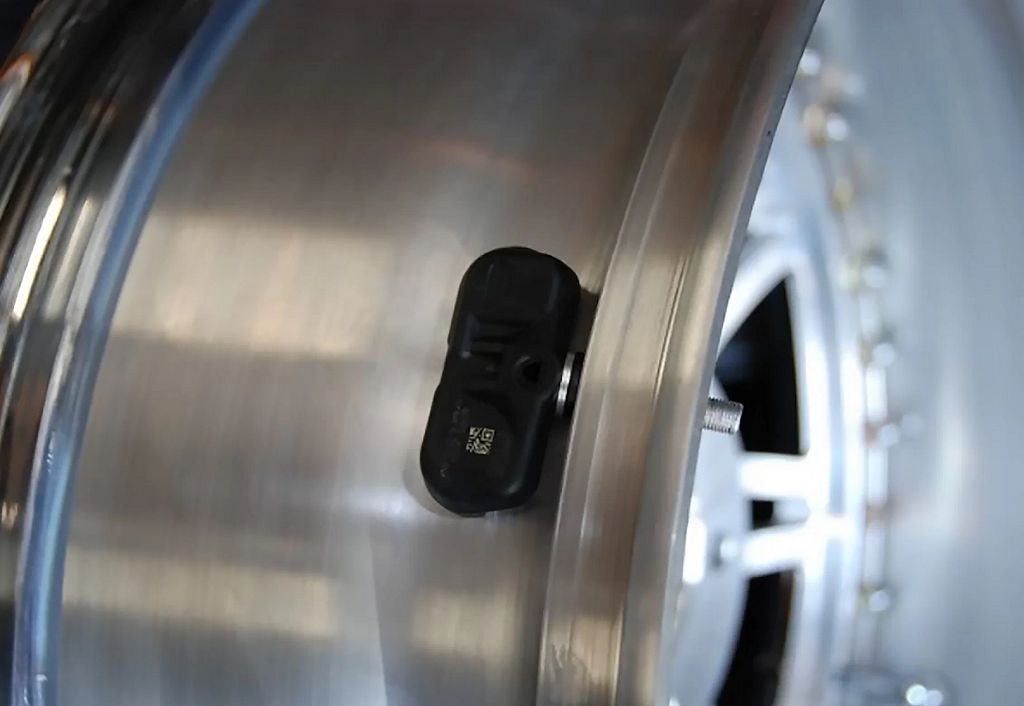
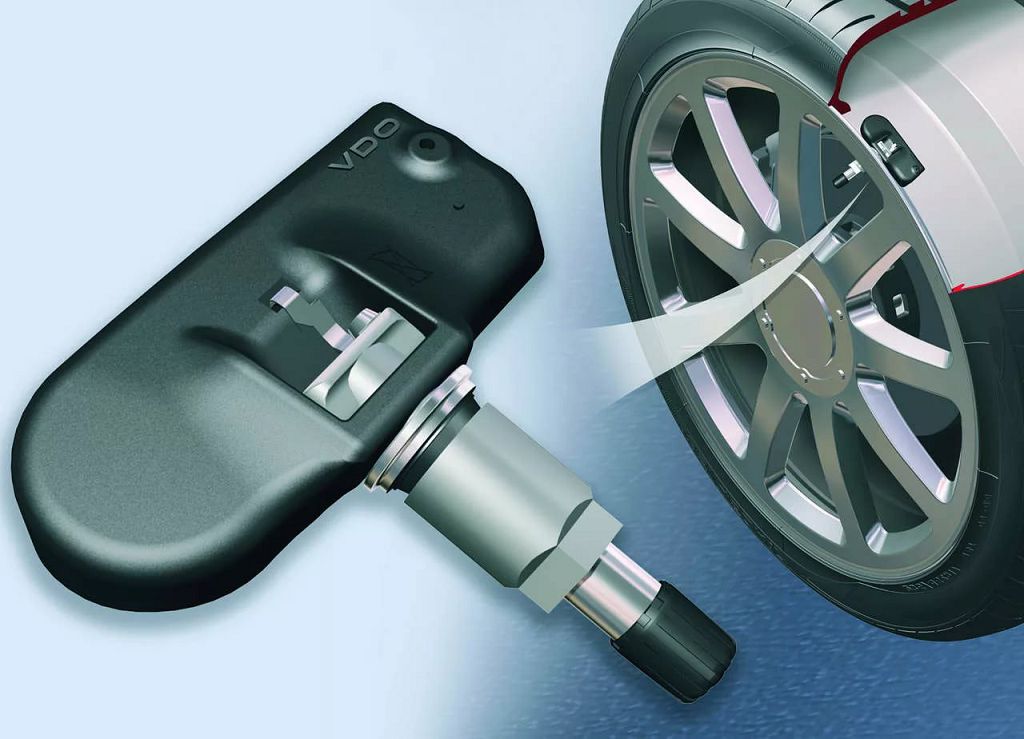
So, how do the TPMS in the Changan CS55 and CS55 Plus actually function? Well, it’s all about those little sensors nestled inside your tires. Each sensor contains a tiny transmitter that constantly monitors the pressure and temperature inside the tire. As the tire’s pressure changes, so does the signal sent by the sensor. This signal is then transmitted wirelessly to a receiver in your vehicle. This receiver, usually located within the car’s computer system, processes the data and displays it on your dashboard. You’ll typically see a visual indicator for each tire, showing whether the pressure is within the acceptable range or if it’s too low. Some systems even provide a numerical readout of the pressure in each tire. It’s a pretty clever system, constantly working in the background to keep you informed about the health of your tires. Think of it as a silent guardian for your safety and fuel efficiency. Low tire pressure can significantly impact your fuel economy, so keeping an eye on these readings is important.
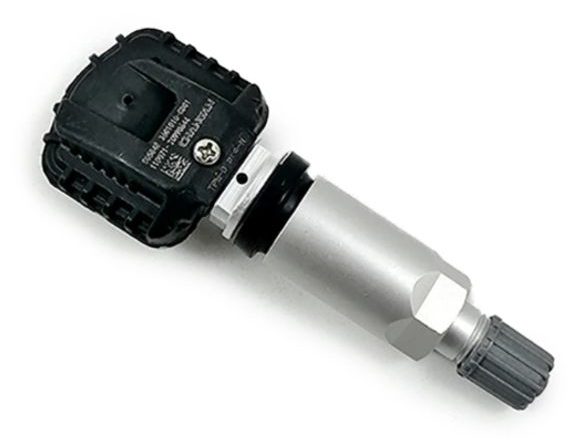
Now, let’s talk about the original pressure sensors that came with your Changan CS55 or CS55 Plus. These are usually factory-installed and are specifically designed to work with your vehicle’s TPMS system. They are calibrated to the factory specifications and are crucial for accurate readings. It’s important to remember that these sensors are not interchangeable with just any sensor. Using the wrong sensor can lead to inaccurate readings or even system malfunctions. If you ever need to replace a sensor, it’s vital to use a sensor that’s specifically designed for your Changan CS55 or CS55 Plus model and year. You can usually find these sensors at your local Changan dealership or through reputable online retailers specializing in automotive parts. Always double-check the compatibility before purchasing to avoid any issues. Replacing a sensor isn’t a DIY job for everyone; it requires specialized tools and knowledge. If you’re not comfortable doing it yourself, it’s best to leave it to a qualified mechanic. Remember, accurate tire pressure is essential for your safety and the longevity of your tires. Don’t compromise on quality when it comes to your TPMS sensors.
So, you’re looking to understand tire pressure sensors for your Changan CS55 or CS55 Plus? Let’s dive into the specifics of when you need to reprogram them and how to adapt those sensors to your vehicle. It’s a bit more involved than just throwing in new sensors, so pay close attention!
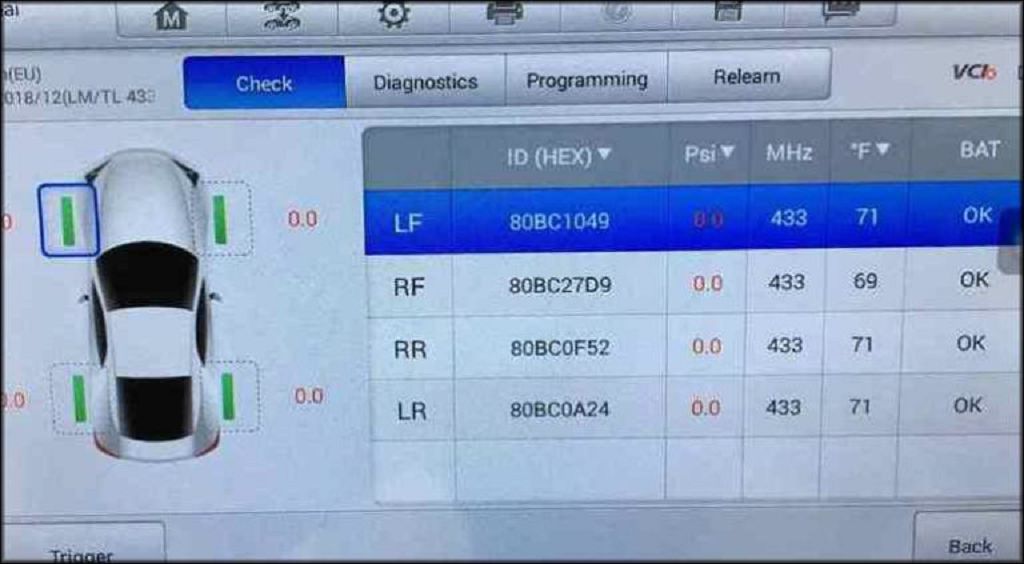
When reprogramming becomes necessary is a key question. You’ll typically need to reprogram your tire pressure sensors after replacing a sensor, after replacing a battery in a sensor (if your model allows for battery replacement), or if you’ve had any significant work done on your tire pressure monitoring system (TPMS). Sometimes, even after a simple tire rotation, you might find your system needs recalibration. The car’s computer needs to «learn» the new sensor IDs, and that’s where the reprogramming comes in. Think of it like introducing new members to a team – they need to be properly integrated to work effectively. Ignoring this step can lead to inaccurate readings or even warning lights that won’t go off, even with properly inflated tires. It’s a crucial step to ensure your safety and the accuracy of your TPMS. Don’t underestimate the importance of this step; it’s not just about plugging in new sensors. It’s about ensuring the system recognizes and correctly interprets the data from each sensor. And remember, different models might have slightly different procedures, so always refer to your owner’s manual for the most accurate instructions.
Now, let’s talk about adapting the sensors. This is where things get a little more technical. Sensor adaptation is the process of teaching your vehicle’s computer the unique identification codes of each of your tire pressure sensors. This is essential because each sensor has its own unique ID, and the car’s computer needs to know which sensor is located on which wheel. Without proper adaptation, the system won’t be able to accurately display the pressure in each tire. The process itself varies depending on your specific Changan CS55 or CS55 Plus model and the year of manufacture. Some models might require specialized diagnostic tools, while others might have a simpler procedure that can be done using the car’s onboard computer system. Again, your owner’s manual is your best friend here. It will detail the exact steps you need to take to adapt your sensors. If you’re not comfortable performing this procedure yourself, it’s always best to take your vehicle to a qualified mechanic or Changan dealership. They have the right tools and expertise to ensure the job is done correctly and safely. Improper adaptation can lead to inaccurate readings, persistent warning lights, and ultimately, compromise your safety on the road. So, take your time, follow the instructions carefully, and don’t hesitate to seek professional help if needed. Remember, your safety is paramount.