Okay, let’s dive into the cruise control systems in the Changan CS35, CS35 Plus, and the new models. We’re going to look at the difference between the standard cruise control, which we’ll call CC, and the adaptive cruise control, or ACC.
First up, normal cruise control, or CC. Think of this as your trusty autopilot for highways. Once you’ve set a speed – let’s say FIFTY miles per hour – the car will maintain that speed automatically. You just steer, and the car handles the acceleration and deceleration to keep you at that consistent pace. It’s great for long stretches of open road where you don’t need to constantly adjust your speed. But here’s the catch: it’s completely passive. It doesn’t react to anything around you. If you approach a slower vehicle, you’ll have to manually brake, and then reactivate the cruise control once you’ve passed. It’s a simple system, but its limitations are pretty clear. You’re still responsible for maintaining a safe following distance and reacting to any changes in traffic conditions. It’s essentially just a sophisticated way to keep your foot off the accelerator. Think of it as a constant speed governor, nothing more. No fancy sensors or automatic braking involved.
Now, let’s talk about Adaptive Cruise Control, or ACC. This is where things get a lot more interesting. ACC is like having a co-pilot that’s constantly monitoring the traffic ahead. You still set your desired speed, just like with CC, but the difference is that ACC uses radar or other sensors to detect vehicles in front of you. If a car slows down, your ACC will automatically reduce your speed to maintain a safe following distance. This distance is usually adjustable, allowing you to set how close you want to be to the car in front. And the best part? Once the road clears, ACC will smoothly accelerate your Changan back to your set speed. It’s a much more sophisticated system, offering a significant boost in comfort and safety, especially in stop-and-go traffic or on busy highways. It’s not a fully autonomous system – you still need to pay attention and be ready to take over if necessary – but it significantly reduces driver fatigue and helps maintain a safer following distance than you might manage manually. It’s a game-changer compared to the basic CC system. Think of it as a smart, responsive system that actively adjusts your speed based on the traffic conditions ahead. It’s a much more proactive and safer driving experience. The difference between CC and ACC is the difference between a simple tool and a sophisticated assistant.
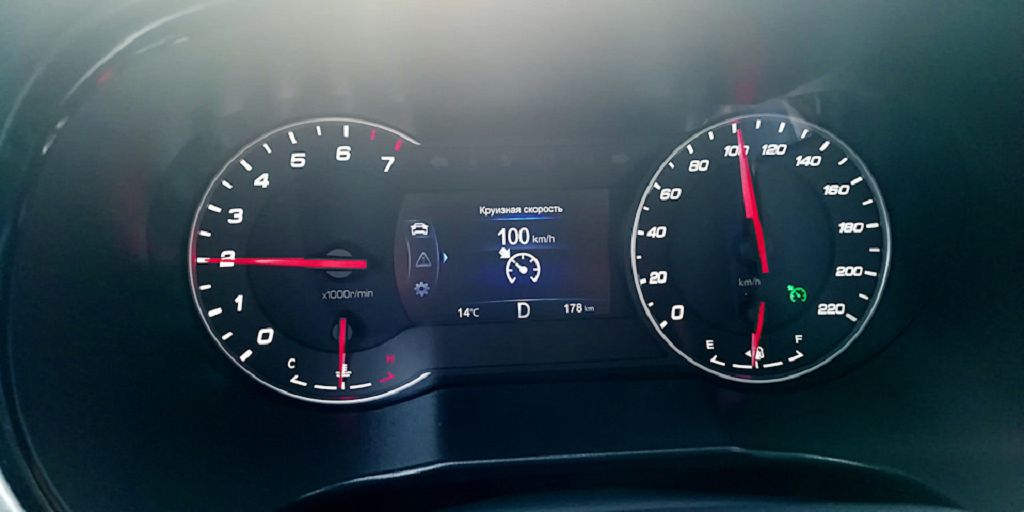
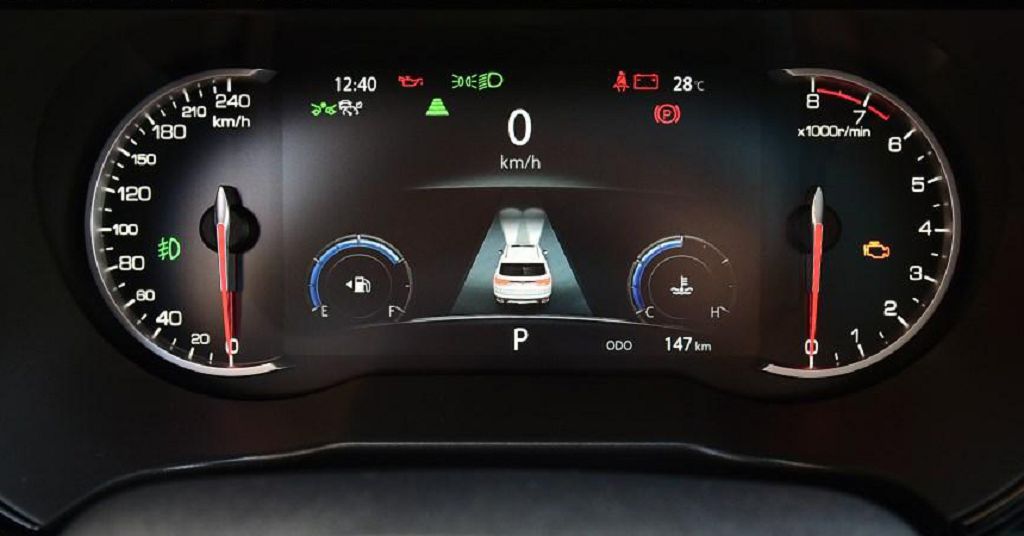
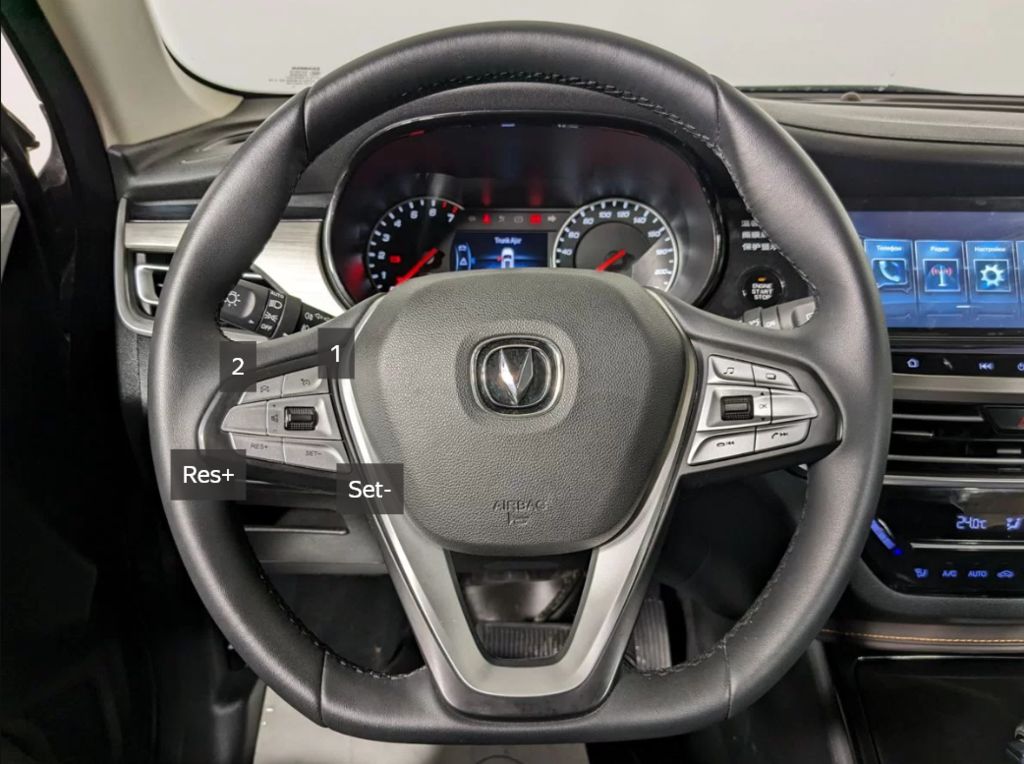
Okay, let’s dive into the controls and interface of the Changan CS35 Plus’s new cruise control system. You’ll find the main controls on the steering wheel, typically clustered near your thumbs. There’s usually a dedicated button to activate the system, often labeled «CC» or «Cruise.» Once activated, you’ll see an indicator light on your dashboard illuminating, confirming that cruise control is engaged. Now, this is important: pay close attention to the symbols on the buttons themselves. Some will be for setting the speed, others for increasing or decreasing it, and you’ll likely have buttons to cancel the cruise control entirely. Take a moment to familiarize yourself with the layout; it’s crucial for safe and effective use. Don’t just glance at it – really study the positions of each button. You’ll also find that the system might integrate with the car’s infotainment screen, providing a visual representation of the set speed and other relevant information. This is particularly helpful for understanding the system’s status at a glance. Remember to consult your owner’s manual for a precise description of your specific model’s controls and interface. Every car is slightly different, so understanding your own is key.
Now, let’s talk about distance control, the key difference between standard CC and ACC, or Adaptive Cruise Control. Standard cruise control, or CC, maintains a constant speed you’ve set. You’re in charge of braking and adjusting the speed manually. Think of it as a simple speed-holding device. It’s great for long stretches of highway driving where the speed is relatively consistent. However, it doesn’t react to the traffic around you. That’s where ACC comes in. ACC, or Adaptive Cruise Control, takes things a step further. It not only maintains your set speed but also automatically adjusts your speed to maintain a safe following distance from the vehicle in front. This is achieved through sensors, usually radar or lidar, that constantly monitor the distance to the car ahead. If the car in front slows down, your ACC will automatically slow your Changan CS35 Plus down to maintain that pre-set distance. Once the car ahead speeds up or moves out of range, your ACC will smoothly accelerate back to your set speed. This is a HUGE safety feature, especially in stop-and-go traffic or on busy highways. The distance setting is usually adjustable, allowing you to choose how much space you want to maintain between your car and the vehicle ahead. This is usually indicated by a series of bars or levels on your dashboard display. Remember, though, ACC is a driver-assistance system, not a self-driving system. You still need to pay attention to the road and be ready to take over control at any time. It’s a fantastic tool, but it’s not a replacement for your own attentiveness and driving skills. Always be aware of your surroundings and ready to intervene if necessary. Understanding the nuances of both CC and ACC is crucial for safe and efficient driving in your Changan CS35 Plus.