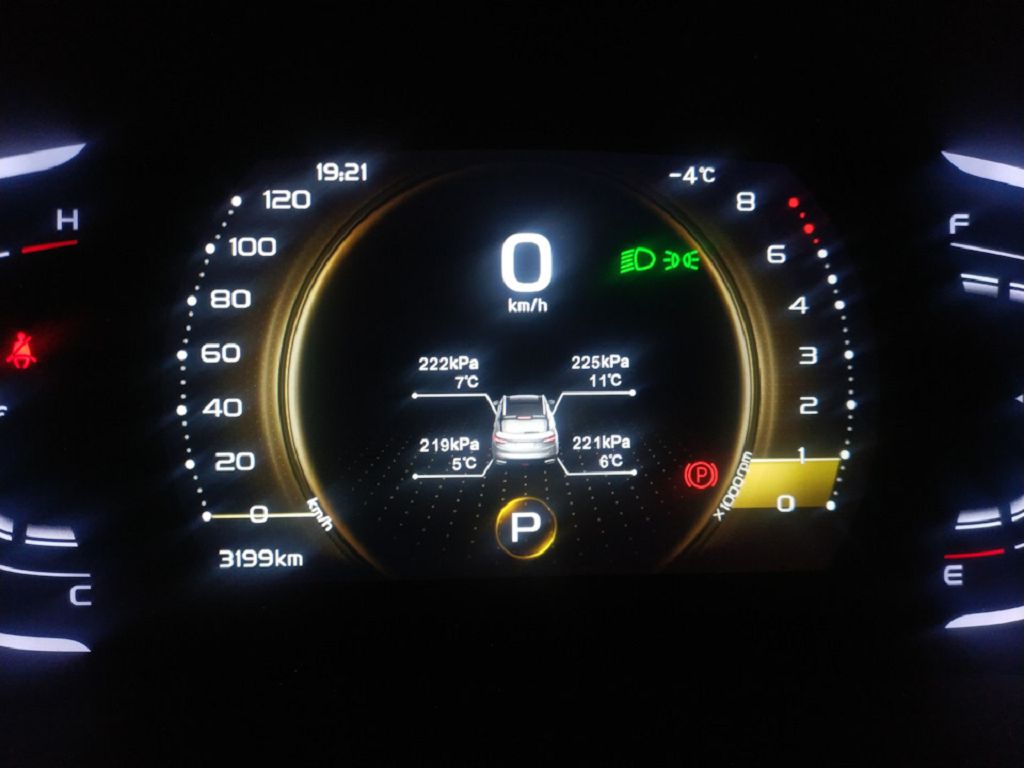
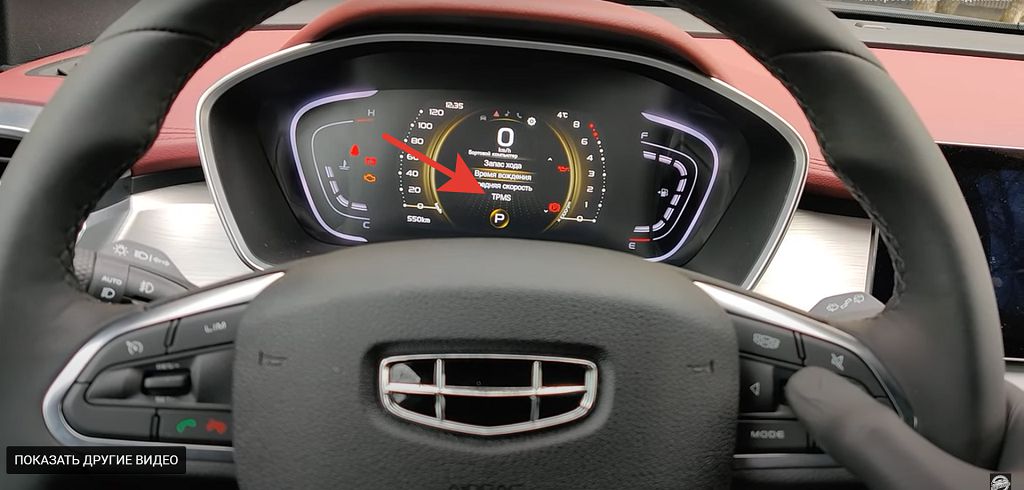
Hey everyone, let’s talk about those super important tire pressure monitoring systems, or TPMS, in your Geely Coolray. These little guys are lifesavers, really. They constantly monitor the air pressure in each of your tires and alert you if something’s off. The system works by using sensors, usually located inside the valve stem of each tire. These sensors measure the pressure and transmit that data wirelessly to a receiver in your car. This receiver then processes the information and displays it, usually through a warning light on your dashboard. It’s a pretty clever system, and it’s all about keeping you safe and your tires in top condition. Think about it – maintaining the correct tire pressure improves fuel efficiency, handling, and even tire lifespan. Under-inflation can lead to uneven wear, reduced fuel economy, and even a blowout, which is definitely something you want to avoid. Over-inflation isn’t great either; it can make your ride harsher and increase the risk of tire damage. So, paying attention to your TPMS is crucial for a smooth and safe driving experience.
Now, let’s say that TPMS warning light on your dashboard starts flashing. Don’t panic, but do take it seriously. That flashing light means there’s a problem with one or more of your tires. The first thing you should do is pull over safely to a location away from traffic. Once you’re safely stopped, visually inspect all FOUR of your tires. Look for any obvious signs of damage, like punctures, cuts, or bulges. Check the tire pressure using a reliable tire pressure gauge. Remember, you should always refer to the sticker on your driver’s side doorjamb or your owner’s manual for the recommended tire pressure for your Geely Coolray. This pressure is usually expressed in PSI, or pounds per square inch. It’s usually somewhere between THIRTY and THIRTY-FIVE PSI, but again, check your owner’s manual to be absolutely sure. If you find a tire that’s significantly under-inflated, you’ll need to add air using a portable air compressor or at a gas station. Add air slowly and check the pressure frequently to avoid over-inflation. Once you’ve adjusted the pressure, drive for a short distance and see if the warning light goes off. If the light stays on, or if you’ve noticed any damage to your tires, it’s time to take your Geely Coolray to a qualified mechanic or tire professional for a proper inspection and repair. They’ll be able to diagnose the problem accurately and get you back on the road safely. Ignoring a TPMS warning light could lead to serious consequences, so it’s always best to address it promptly. Remember, your safety is paramount.
So, let’s dive straight into disabling the TPMS system on your Geely Coolray. Now, this isn’t something you’d do lightly, of course. It’s a safety feature, and keeping your tires properly inflated is crucial for handling, fuel efficiency, and overall safety. But there are times when you might need to temporarily disable it, maybe if you’re replacing a sensor or dealing with a specific issue. The process itself can vary slightly depending on your Coolray’s year and specific software version, so it’s always a good idea to consult your owner’s manual for the most accurate instructions. Generally, though, you’ll likely need to use your vehicle’s onboard diagnostics system, often accessed through the infotainment screen. Look for a menu related to tire pressure monitoring, and you should find an option to disable the system. Remember, this is usually a temporary measure, and the system will likely re-enable itself after a certain period or once the ignition is cycled. Always re-enable it once you’ve addressed the issue that prompted the disabling.
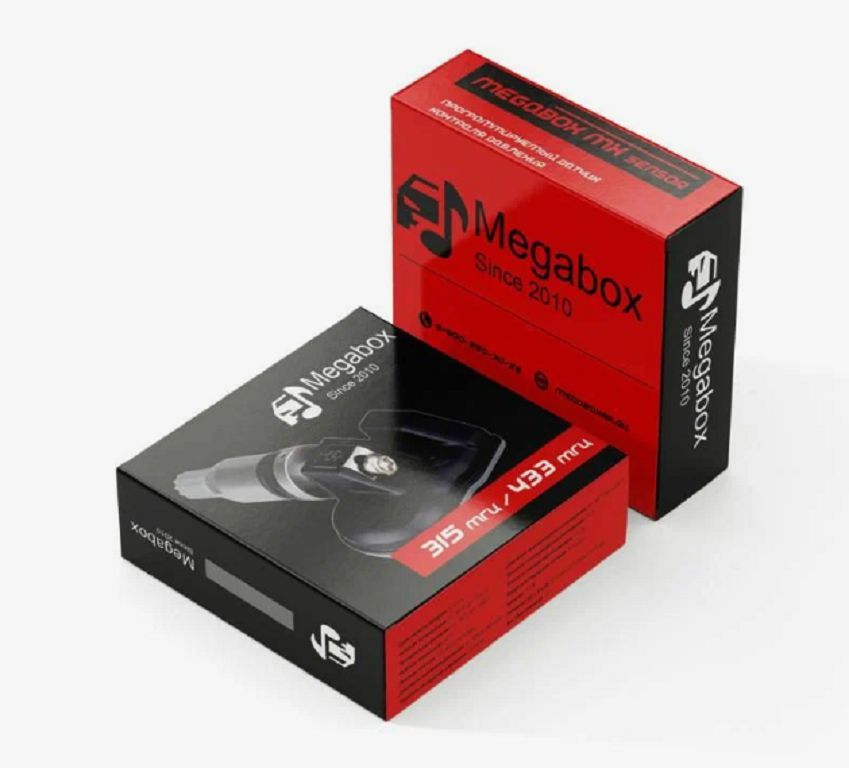
Next up, let’s talk about those tire pressure monitoring system sensors. Replacing them can be a bit of a task, and knowing the correct part numbers is essential to avoid compatibility issues. Now, I can’t give you ONE definitive part number because it can vary based on the year and trim level of your Geely Coolray. There are subtle differences, and using the wrong sensor could lead to problems with your TPMS system. The best approach is to check your owner’s manual. It should list the correct part numbers for your specific vehicle. Alternatively, you can contact your local Geely dealership or a reputable auto parts store. They can look up the correct part numbers based on your VIN (Vehicle Identification Number). Providing them with your VIN ensures you get the exact right sensors for your Coolray. Don’t just rely on online searches; those can sometimes be inaccurate. Getting the correct part number is crucial for a smooth and successful replacement. Remember, using the wrong part can lead to inaccurate readings or even system malfunctions.
Finally, let’s touch on the actual adjustment of the TPMS sensors. Now, this isn’t about adjusting the pressure itself – that’s something you do with your tire gauge. This is about making sure the sensors are properly calibrated and communicating correctly with your vehicle’s system. After replacing a sensor, or if you’ve had any work done on your tires, you’ll often need to re-learn the sensor IDs. Again, your owner’s manual is your best friend here. It will detail the specific procedure for your Coolray. It might involve a process of driving the vehicle for a certain distance, or it might require the use of a specialized scan tool. Some Geely dealerships offer this service, so if you’re unsure, it’s best to let a professional handle it. Improper calibration can lead to inaccurate readings and potentially trigger false warnings. So, always follow the manufacturer’s instructions carefully to ensure your TPMS system is working correctly and providing you with accurate and reliable information about your tire pressure.