So, let’s dive straight into the heart of the matter: what’s up with the Geely Coolray’s engine? Now, I’ve spent a fair bit of time behind the wheel of this little crossover, and while it’s got a lot going for it – the styling is sharp, the features are impressive for the price point – the engine story is a bit more… complicated. We’re talking about a THREE-cylinder engine here, and THREE-cylinder engines, while increasingly common, often come with their own set of quirks. You’ll notice a bit more vibration than you might in a FOUR-cylinder or SIX-cylinder engine. It’s not excessively jarring, but it’s definitely noticeable, especially at lower RPMs. Some owners report a slightly rougher idle, and you might hear a bit more engine noise in the cabin than you’d expect. However, on the plus side, the THREE-cylinder is surprisingly peppy for its size, and fuel economy is generally quite good. It’s a trade-off, really. You get decent performance and fuel efficiency, but you sacrifice some of the smoothness you’d find in a larger engine. It’s something to consider if you’re sensitive to engine vibrations or noise. We’ll be looking at some long-term reliability data later in the video to see how these engines hold up over time.
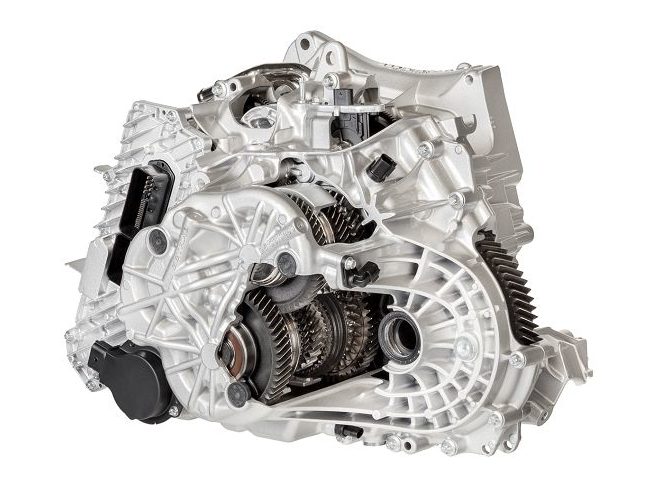
Now, the big question everyone wants answered: the seven-speed robot gearbox. Is it an innovative solution, or a constant headache? Well, it’s a bit of both, honestly. On paper, a seven-speed dual-clutch transmission (DCT) sounds fantastic. It promises quick shifts and improved fuel economy. And in some situations, it delivers. When you’re driving smoothly and predictably, the shifts are generally quick and seamless. But here’s where things get tricky. In stop-and-go traffic, or when you’re making frequent gear changes, the gearbox can sometimes feel hesitant, jerky, or even a little clunky. Some owners report noticeable lag between pressing the accelerator and the car actually responding, which can be frustrating. There have also been reports of issues with the transmission itself, requiring costly repairs or replacements. Now, it’s important to note that not every Coolray owner experiences these problems. Many report perfectly acceptable performance from the transmission. But the number of reported issues is significant enough to warrant a closer look. The question isn’t whether the technology is innovative – it is – but whether it’s been reliably implemented in the Coolray. We’ll be discussing some common issues and potential solutions, as well as looking at the cost of repairs and replacements, so stick around for that. This is a crucial aspect to consider if you’re thinking about buying a Geely Coolray. Understanding the potential pitfalls is just as important as understanding the benefits. The long-term reliability of this transmission is something that needs further investigation. We’ll be looking at owner forums and independent reviews to get a better picture of the situation. And of course, we’ll be discussing oil changes and proper maintenance to help keep this transmission running smoothly for as long as possible. Regular maintenance is key with any car, but especially with a more complex transmission like this. We’ll cover the recommended oil type and change intervals, as well as other important maintenance tips to help you avoid potential problems.
So, let’s dive right into the Geely Coolray’s robot – specifically, the oil and its replacement. We’re going to explore the advantages and disadvantages, and then tackle the service life and potential problems you might encounter.
First off, the advantages. Using a robotic system for oil changes offers several key benefits. Think about speed and efficiency. A robot can perform the oil change significantly faster than a human mechanic, meaning less downtime for you. And because it’s a machine, it’s incredibly precise. This minimizes the risk of human error, leading to a cleaner, more efficient oil change every time. There’s also the potential for cost savings, although this depends on the specific implementation and pricing structure of the service. Finally, a robotic system can potentially handle a higher volume of vehicles, making it a more scalable solution for service centers.
But, of course, there are disadvantages. The initial investment for a robotic oil change system is HUGE. We’re talking a significant upfront cost for the equipment itself, plus the training and maintenance required to keep it running smoothly. This high cost can translate to higher service prices for the consumer, potentially negating some of the perceived cost savings. Then there’s the issue of potential malfunctions. While robots are generally reliable, they’re not immune to breakdowns. A malfunctioning robot could lead to delays, further costs, and even damage to your vehicle if not handled properly. And let’s not forget the potential job displacement for human mechanics. While this is a broader societal issue, it’s a valid concern to consider.
Now, let’s talk about the service life and potential problems. The service life of the robotic oil change system itself depends heavily on factors like usage, maintenance, and the quality of the components. Regular maintenance is absolutely crucial. Think of it like any complex machine – neglecting maintenance will drastically shorten its lifespan and increase the likelihood of problems. Potential problems could range from minor software glitches to major mechanical failures. Software glitches might lead to delays or inaccurate oil levels, while mechanical failures could result in complete system downtime. You also need to consider the potential for wear and tear on the robotic arms and other moving parts. Over time, these parts will need replacement, adding to the overall cost of ownership for the service center. And finally, there’s the question of compatibility. Will the robotic system be able to service all makes and models of vehicles, or are there limitations? This is a crucial factor to consider if you’re relying on this system for your oil changes. It’s a complex system, and understanding these potential issues is key to managing expectations.