So, you’ve got a Geely Coolray, and you’re noticing that your fuel consumption is WAY higher than what the manufacturer promised? You’re not alone! Many Coolray owners find themselves facing this frustrating reality. Let’s dive into why the actual fuel consumption is often significantly higher than that advertised factory rate of, say, SIX to EIGHT liters per ONE HUNDRED kilometers. It’s a common question, and there are several factors at play.
First, we need to understand that those factory figures are usually obtained under ideal, laboratory conditions. Think perfectly smooth roads, consistent speeds, and a controlled climate. Real-world driving is vastly different. We’re talking stop-and-go traffic, aggressive acceleration, air conditioning blasting on hot days, and hills – lots and lots of hills. All these factors significantly impact fuel efficiency. Think about it – constantly accelerating and braking in city traffic is far less efficient than maintaining a steady speed on a highway. The engine works much harder, consuming more fuel in the process. Even the type of fuel you use can make a difference. Using lower-quality fuel can lead to increased consumption and potential engine problems down the line.
Now, let’s talk about the science behind high fuel consumption. It’s all about energy conversion. Your engine converts the chemical energy in the fuel into mechanical energy to power your car. However, this process isn’t perfectly efficient. A significant portion of the energy is lost as heat, friction, and other inefficiencies within the engine itself. Factors like engine wear and tear, improper air-fuel mixture, and even the condition of your tires can all contribute to reduced efficiency and higher fuel consumption. A poorly maintained engine will always consume more fuel than a well-maintained one. Think of it like this: a rusty, poorly lubricated machine will always require more energy to perform the same task as a well-maintained one.
Beyond the general factors, there are specific technical problems that can dramatically affect your Coolray’s fuel consumption. A malfunctioning oxygen sensor, for example, can lead to an incorrect air-fuel mixture, resulting in wasted fuel and potentially damaging your catalytic converter. Similarly, a clogged air filter restricts airflow to the engine, forcing it to work harder and consume more fuel to compensate. Problems with the fuel injectors, where the fuel is sprayed into the combustion chamber, can also lead to inefficient combustion and higher fuel consumption. A faulty mass airflow sensor, which measures the amount of air entering the engine, can also throw off the air-fuel mixture, leading to increased fuel consumption. And don’t forget about your tires! Under-inflated tires increase rolling resistance, meaning your engine has to work harder, leading to higher fuel consumption. Regular tire pressure checks are crucial for optimal fuel efficiency. Finally, a failing transmission can also significantly impact fuel economy. If your transmission isn’t shifting smoothly, it can lead to increased fuel consumption. Regular maintenance and timely repairs are key to keeping your Coolray running efficiently.
Hey everyone, let’s dive into the world of Geely Coolray fuel consumption. We’re going to tackle why your Coolray might be guzzling more gas than expected, and more importantly, what you can do about it.
First, let’s talk about those pesky mechanical factors that can really impact your fuel economy. Think about things like tire pressure. Under-inflated tires increase rolling resistance, meaning your engine has to work harder, and that directly translates to higher fuel consumption. We’re talking a noticeable difference, potentially several kilometers per liter. Regularly check your tire pressure – it’s a simple thing, but it makes a HUGE difference.
Then there’s the air filter. A clogged air filter restricts airflow to the engine, forcing it to work harder to get the oxygen it needs. This again leads to increased fuel consumption. Think of it like breathing through a straw – it’s harder work! Regularly replacing your air filter, according to the manufacturer’s recommendations, is crucial for optimal performance and fuel efficiency. And don’t forget your spark plugs. Worn-out spark plugs can cause misfires, leading to incomplete combustion and wasted fuel. Regular maintenance, including replacing spark plugs as needed, is essential. We’re talking about potentially saving you a significant amount of money on fuel over the life of your car.
Beyond the mechanical, there are some surprising psychological factors at play. Aggressive driving habits, like rapid acceleration and hard braking, are major culprits. Think about it – every time you slam on the gas, you’re forcing your engine to work much harder than it needs to. Smooth, consistent driving is key to maximizing fuel efficiency. Try to anticipate traffic and avoid sudden stops and starts. It’s a change in driving style that can significantly impact your fuel consumption. And let’s be honest, it’s also a more relaxed and enjoyable driving experience.
Another often overlooked factor is your driving environment. Driving in stop-and-go city traffic is inherently less fuel-efficient than cruising on a highway. The constant acceleration and braking in city driving put a strain on your engine and increase fuel consumption. If you can, try to plan your routes to minimize time spent in heavy traffic.
- Читайте также:
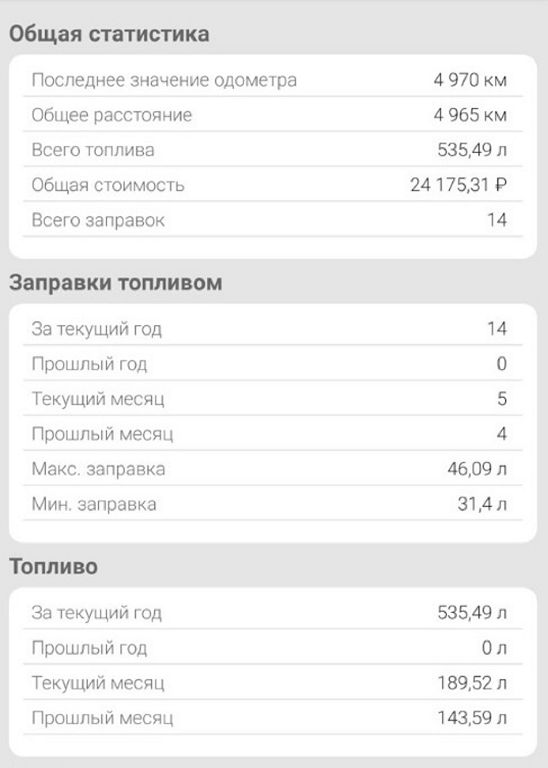
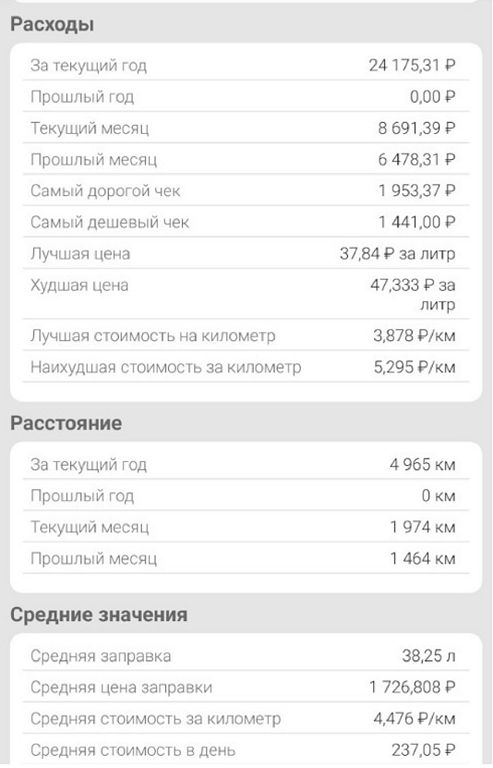
Now, let’s get to the practical solutions. How can you actually reduce your Geely Coolray’s fuel consumption? The most effective method is consistent monitoring and record-keeping. Keep a log of your fuel-ups, noting the mileage and the amount of fuel you used. This allows you to track your fuel consumption over time and identify any trends or anomalies. Are you consistently getting lower fuel economy on certain days of the week? Is it related to your driving route or driving style? By tracking your fuel consumption, you can pinpoint areas where you can make improvements. This data-driven approach is incredibly powerful.
Beyond tracking, consider your driving habits. Are you consistently speeding? Do you frequently use your air conditioning? These factors can significantly impact your fuel economy. Try to drive at a steady pace, and only use your air conditioning when absolutely necessary. Small changes in your driving habits can add up to significant savings over time. Remember, every little bit helps! And don’t forget those regular maintenance checks. Keeping your car in top condition is the best way to ensure optimal fuel efficiency.