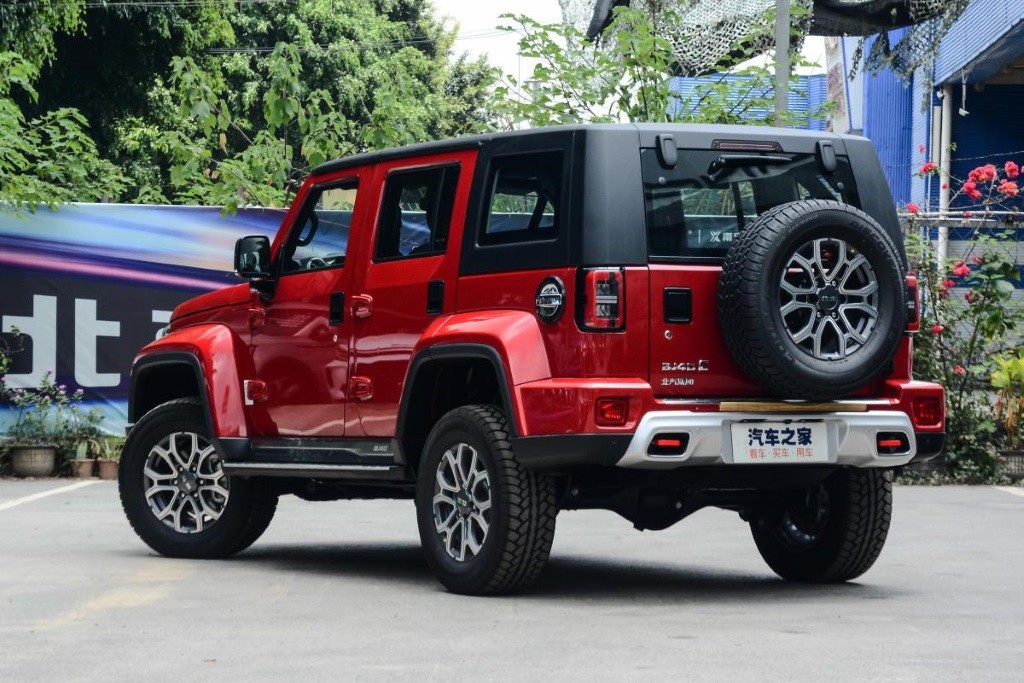
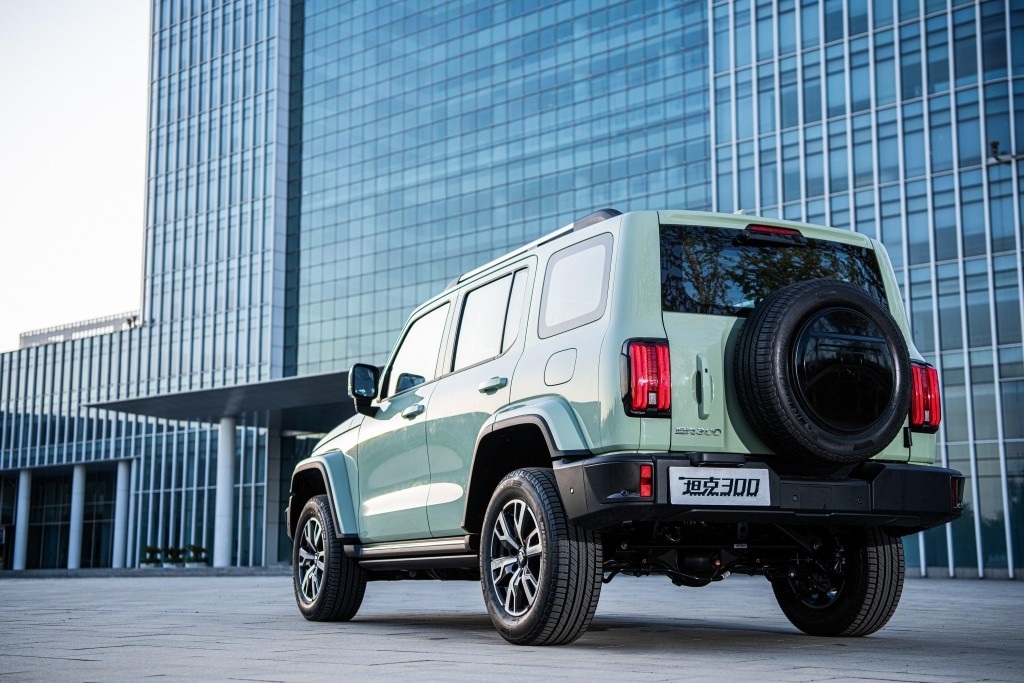
Okay, let’s dive straight into comparing these TWO incredible Chinese off-roaders: the BAIC BJ40+ and the TANK THREE HUNDRED. First up, let’s talk about their exteriors and construction. The BJ40+ has a more classic Jeep Wrangler vibe, with its boxy design and round headlights. It’s a bit more retro-looking, which some people will love. The build quality feels solid enough, but I’ve heard some reports of minor panel gaps here and there. Nothing major, but something to keep in mind. The TANK THREE HUNDRED, on the other hand, has a more modern and aggressive design. It’s sharper, more angular, and boasts a more imposing presence on the road. The build quality on the TANK THREE HUNDRED feels noticeably more refined, with tighter panel gaps and a generally more premium feel. You can really feel the difference in the materials used. Both use a body-on-frame construction, which is essential for serious off-roading, but the TANK THREE HUNDRED feels a bit more robust overall.
Now, let’s move on to the geometric parameters – the stuff that really matters when you’re tackling serious terrain. Both vehicles boast impressive ground clearance, approach, breakover, and departure angles. However, the exact figures vary slightly depending on the trim level and tire size. I’d recommend checking the manufacturer’s specifications for the precise numbers, but generally speaking, they’re both extremely capable off-road. The TANK THREE HUNDRED might have a slight edge in some areas, like breakover angle, thanks to its slightly shorter wheelbase. But the BJ40+ isn’t far behind. Both vehicles have impressive suspension travel, allowing them to absorb bumps and maintain contact with the ground even on the roughest trails. We’re talking serious off-road capability here, folks.
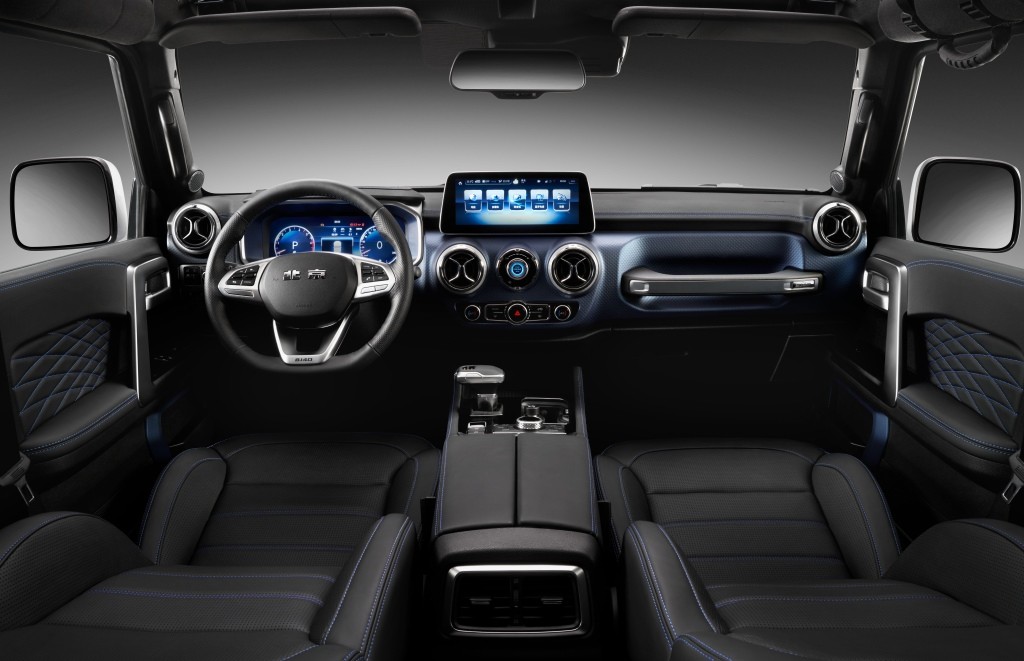
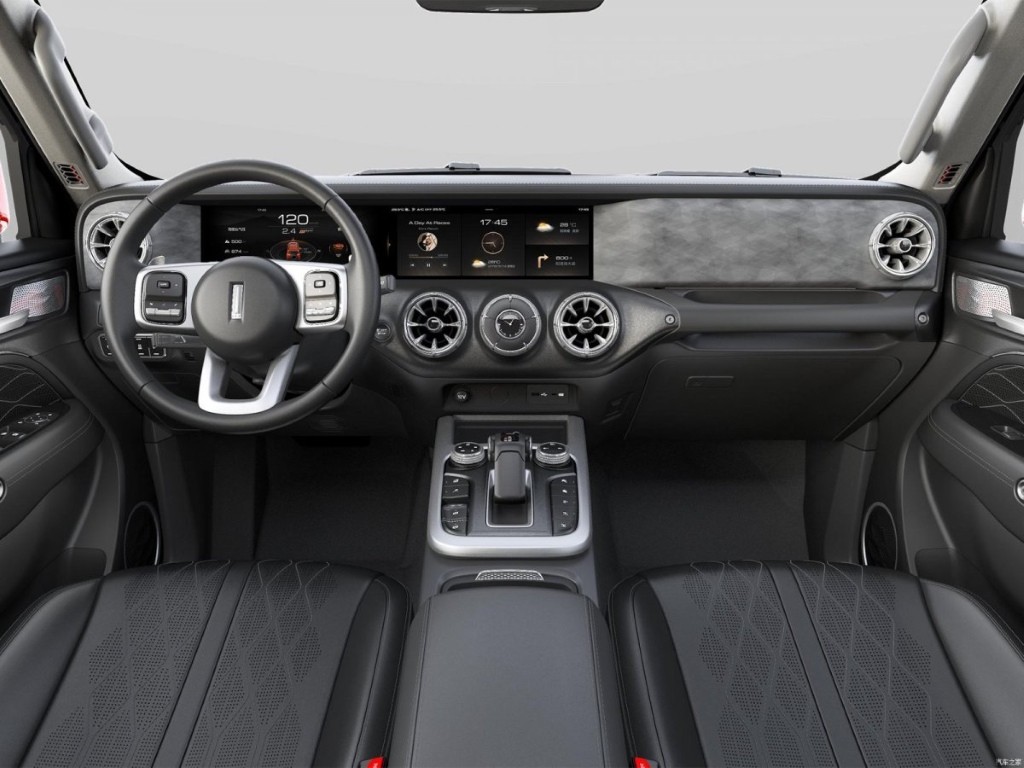
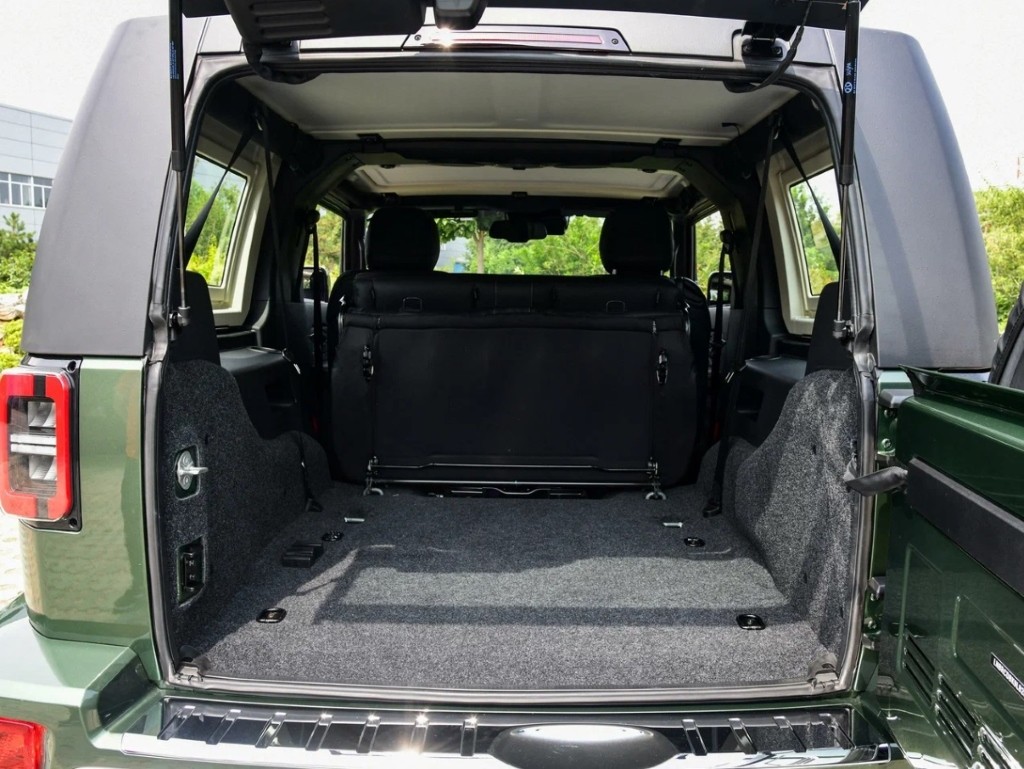
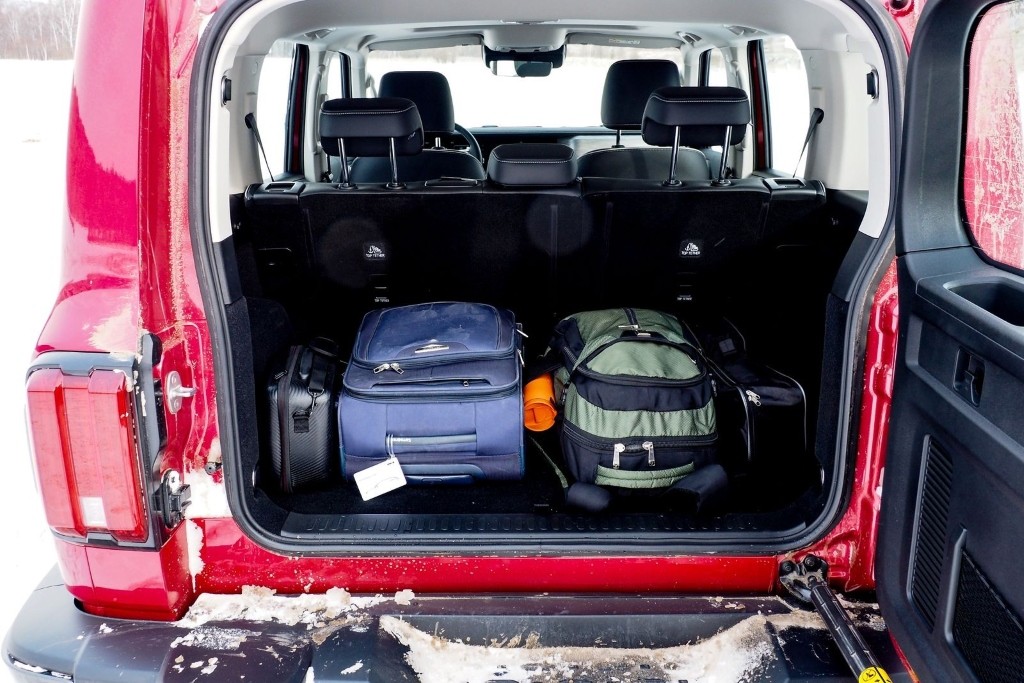
Let’s shift gears and talk about the interiors and practicality. This is where things get interesting. The BJ40+’s interior is… well, it’s functional. It’s not exactly luxurious, but it’s reasonably comfortable and offers enough space for FOUR adults. The materials are mostly hard plastics, which is expected at this price point. The infotainment system is a bit dated, but it gets the job done. The TANK THREE HUNDRED, however, takes things up a notch. The interior is significantly more refined, with higher-quality materials and a more modern design. The infotainment system is much more advanced, with a larger touchscreen and more features. It feels like a more premium vehicle inside, which is reflected in the price. In terms of practicality, both offer decent cargo space, but the TANK THREE HUNDRED might have a slight edge depending on the configuration.
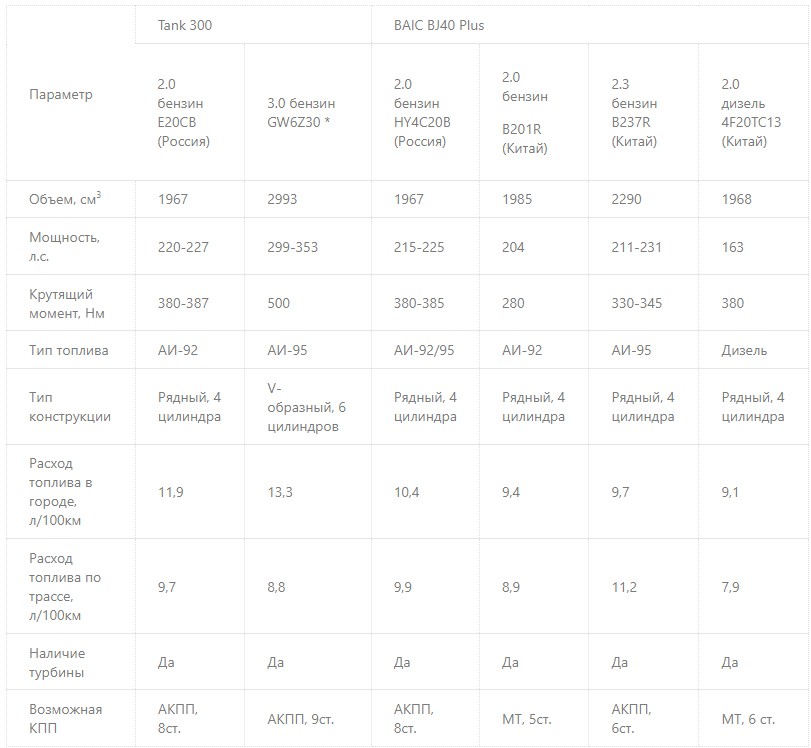
Now, let’s get to the heart of the matter: the powertrains. Both vehicles offer a range of engine options, but let’s focus on the most popular choices. The BJ40+ typically comes with a TWO-LITER turbocharged petrol engine, which offers decent power but can feel a bit underpowered when fully loaded or tackling steep inclines. The TANK THREE HUNDRED, on the other hand, usually boasts a TWO-LITER turbocharged petrol engine as well, but it’s generally more powerful and refined. It feels more responsive and delivers better fuel economy. Both offer automatic transmissions, but the TANK THREE HUNDRED’s transmission feels smoother and more refined. Ultimately, the TANK THREE HUNDRED’s powertrain feels more modern and better suited for both on-road and off-road driving. It’s a more refined and powerful experience overall. But the BJ40+ is still perfectly capable, especially if you’re on a tighter budget.
Alright folks, let’s dive straight into this head-to-head comparison of the BAIC BJ40+ and the TANK 300. We’re talking about TWO seriously capable off-roaders, both hailing from China and both often touted as Jeep Wrangler alternatives. But are they truly worthy replacements? Let’s find out.
First up: Performance. Now, both vehicles pack a punch, but in different ways. The BAIC BJ40+ typically offers a slightly less powerful engine, often around TWO HUNDRED horsepower, depending on the specific trim. This translates to adequate power for most situations, but you might find yourself wishing for a bit more oomph when tackling seriously steep inclines or heavy off-road conditions. The TANK 300, on the other hand, usually boasts a more robust engine, often pushing closer to TWO HUNDRED AND TWENTY horsepower. This extra power is definitely noticeable, providing a more confident and responsive driving experience, especially off-road. We’re not just talking about straight-line speed here; the extra power in the TANK 300 translates to better hill climbing ability and a more assertive presence when navigating challenging terrain. Think about those moments where you need that extra push to get over a particularly nasty obstacle – the TANK 300 often has the edge. But remember, these are just general observations; specific engine specs can vary depending on the model year and trim level, so always check the specifics before making a decision.
Next, let’s talk transmissions. This is where things get interesting. Both vehicles offer automatic transmissions, but the tuning and overall feel are quite different. The BAIC BJ40+ often feels a bit more…rustic, shall we say? The shifts can sometimes be a little abrupt, and the overall responsiveness isn’t as refined as what you’d find in the TANK 300. The TANK 300, in contrast, usually boasts a smoother, more refined automatic transmission. The shifts are generally quicker and less jarring, contributing to a more pleasant and less stressful driving experience, especially on the road. Off-road, this smoother transmission can be beneficial, allowing for more precise control and a better connection to the terrain. Again, this is a generalization, and specific transmission performance can vary, but based on our experience, the TANK 300 generally offers a more sophisticated transmission setup.
Now, let’s get into the heart of the matter for these off-roaders: all-wheel drive. Both the BAIC BJ40+ and the TANK 300 offer robust all-wheel-drive systems, but their implementation and capabilities differ. The BAIC BJ40+ typically utilizes a system that’s perfectly adequate for most off-road situations, providing good traction and stability. However, the TANK 300 often takes things a step further, often incorporating more advanced features like locking differentials and various driving modes tailored to different terrains. This translates to superior off-road capability, allowing the TANK 300 to tackle more challenging obstacles with greater confidence. Think about navigating rocky trails, muddy inclines, or deep sand – the TANK 300’s more sophisticated all-wheel-drive system often gives it a significant advantage. It’s not to say the BAIC BJ40+ is a slouch; it’s perfectly capable for many off-road adventures, but the TANK 300 frequently offers a more refined and capable system.
So, which one comes out on top? Well, it depends on your priorities. The BAIC BJ40+ offers a more affordable entry point into the world of rugged off-roading, providing a decent level of capability at a lower price. However, if you’re looking for a more refined, powerful, and technologically advanced off-road experience, the TANK 300 often emerges as the clear winner. It’s a more polished package, offering superior performance, a smoother transmission, and a more capable all-wheel-drive system. Ultimately, the best choice depends on your individual needs and budget. But hopefully, this comparison has given you a clearer picture of what each vehicle brings to the table.
- Читайте также: