So, let’s dive straight into the heart of the matter: the engines powering the Chery Tiggo FOUR and Tiggo FOUR Pro. These SUVs, while sharing a name, offer a bit of variety under the hood, and understanding those differences is key to choosing the right one for you.
First off, let’s talk about the engine lineup in general. Both the Tiggo FOUR and the Tiggo FOUR Pro typically offer a range of engine options, depending on the specific trim level and the year of manufacture. You’ll commonly find naturally aspirated engines, and in some markets, you might even see turbocharged options. It’s always best to check the specifications for the exact year and model you’re interested in, as these things can change. But generally, you’re looking at a range of engine sizes and power outputs designed to cater to different driving styles and needs. We’re talking about engines that are designed for efficiency in city driving, but also have enough power for highway cruising and even some light off-road adventures, depending on the model.
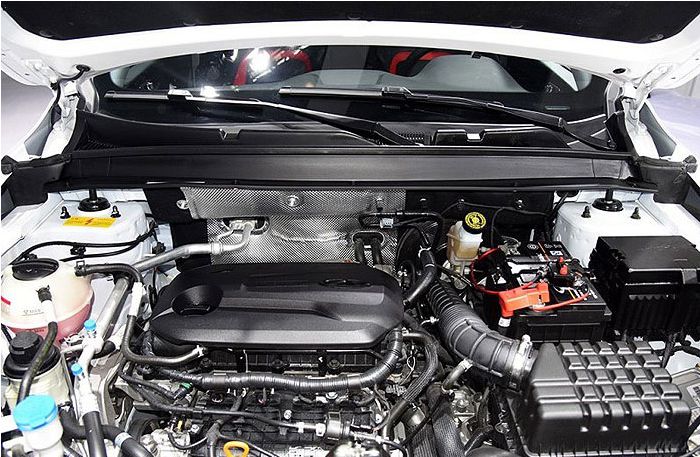
Now, let’s get into the specifics of one particular engine that’s quite common in these models: the SQRE4T15B. This is a ONE point FIVE liter turbocharged engine, and it’s a real workhorse. What makes this engine stand out? Well, for starters, the turbocharger gives it a significant power boost compared to naturally aspirated engines of similar displacement. This translates to quicker acceleration and a more responsive driving experience. But it’s not just about raw power; this engine is also designed with fuel efficiency in mind. Chery has invested in technologies to optimize combustion and reduce fuel consumption, making it a relatively economical choice, especially considering its performance capabilities. We’re talking about an engine that balances power and efficiency quite well. Think of it as a sweet spot in the engine lineup. Of course, the actual fuel economy will vary depending on your driving habits and conditions, but generally, you can expect respectable numbers.
Beyond the raw power figures and fuel economy, the resource potential of the SQRE4T15B is something worth considering. This isn’t just about how long the engine will last; it’s about how well it maintains its performance over time. Chery has incorporated various design features and manufacturing processes aimed at maximizing the engine’s lifespan and reliability. This includes things like robust materials, precise manufacturing tolerances, and advanced engine management systems. While no engine is indestructible, the SQRE4T15B is designed to provide years of reliable service with proper maintenance. Regular oil changes using the correct type of oil, as specified in your owner’s manual, are crucial for maintaining the engine’s health and longevity. And remember, preventative maintenance is key to maximizing the lifespan of any engine. Don’t neglect those scheduled services! Proper care will ensure that this engine continues to perform optimally for many years to come. We’re talking about a significant investment in your vehicle, and taking care of the engine is a crucial part of protecting that investment.
So, let’s dive straight into the heart of the matter: the engines powering the Chery Tiggo FOUR and Tiggo FOUR Pro. We’ll be looking at the specifics of each, so you’ll have a clear understanding of what’s under the hood of these popular SUVs.
First up, we have the naturally aspirated SORE4T15 engine. This is a workhorse of an engine, known for its reliability and relatively straightforward maintenance. Let’s talk about its resource potential. Now, the lifespan of any engine depends heavily on maintenance, driving style, and overall conditions, but with proper care, you can expect a significant number of miles out of this SORE4T15. We’re talking potentially hundreds of thousands of kilometers, maybe even more, depending on how well you look after it. Think regular oil changes, using the correct viscosity oil – we’ll get to that in a moment – and keeping an eye on things like coolant levels and belts. Neglecting maintenance is the quickest way to shorten the life of any engine, so remember that preventative care is key. This engine is designed for longevity, but it needs your help to reach its full potential.
Now, let’s discuss the maintenance regulations for this engine, and its close relative, the SQRE4T15B. These engines share a lot of similarities, so much of the maintenance is the same. The manufacturer’s recommended service intervals are crucial here. You’ll find these detailed in your owner’s manual, and it’s absolutely essential to stick to them. This usually involves regular oil changes, filter replacements – both oil and air filters are vital – and inspections of other key components. Don’t just rely on the mileage; pay attention to the time elapsed since your last service as well. Extreme weather conditions or frequent stop-and-go driving can put extra strain on the engine, potentially requiring more frequent maintenance. Remember, preventative maintenance is far cheaper than dealing with a major engine repair down the line. We’re talking about potentially saving THOUSANDS of dollars by sticking to the schedule.
Finally, let’s talk about the SQRD4G20 engine. This is a different beast altogether – a more powerful engine offering a different driving experience. While the SORE4T15 and SQRE4T15B are naturally aspirated, this one is likely turbocharged, offering significantly more power and torque. This increased power comes with its own set of maintenance considerations. Turbocharged engines generally require more meticulous care, with a focus on things like maintaining correct oil pressure and ensuring the turbocharger itself is functioning correctly. Again, consult your owner’s manual for specific recommendations on oil type, viscosity, and service intervals. Regular checks for leaks and unusual noises are also crucial. Ignoring potential problems with a turbocharged engine can lead to costly repairs, so vigilance is key. This engine, while more powerful, demands a higher level of attention to maintain its peak performance and longevity. Remember, the key to a long and happy relationship with any engine is consistent and proper maintenance.
- Читайте также: