Hey everyone, let’s dive into the world of filters for your Changan CS55 and CS55 Plus. We’re talking oil filters, air filters, and cabin air filters – the unsung heroes keeping your engine and you breathing easy.
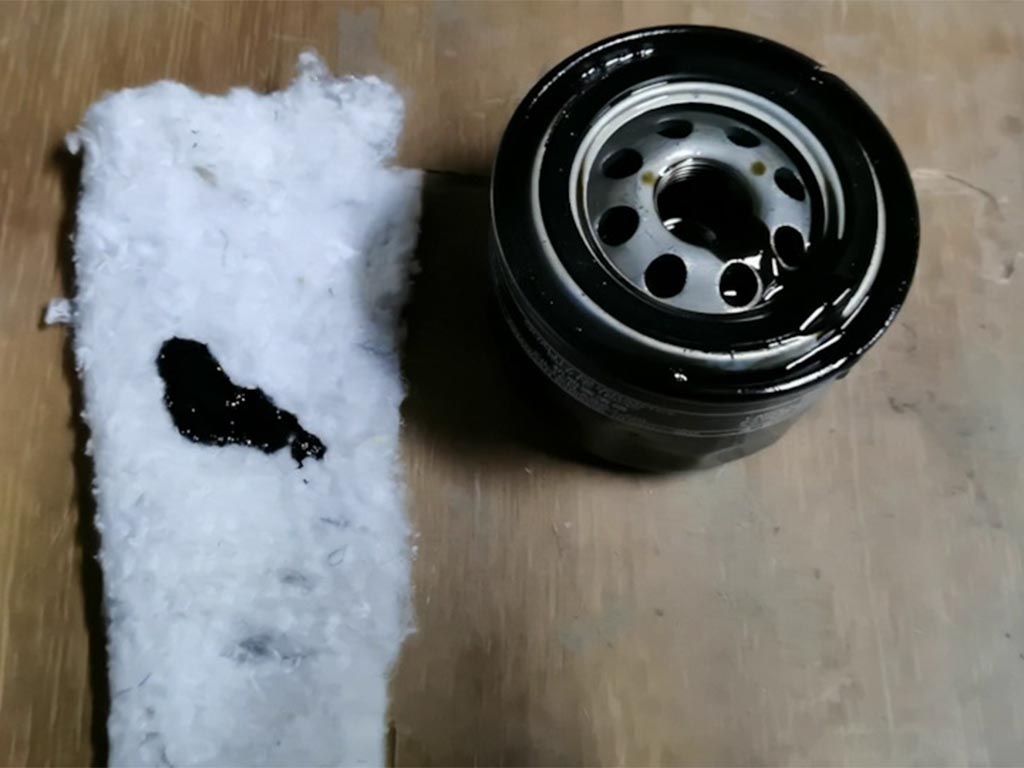
First up, let’s tackle the oil filter. This little guy is crucial. It traps all those nasty contaminants that circulate in your engine oil – metal shavings, dirt, and other debris that can cause serious damage if left unchecked. For your Changan CS55 and CS55 Plus, the recommended replacement interval is typically around every FIVE THOUSAND to SEVEN THOUSAND kilometers, depending on your driving conditions and the type of oil you use. Always check your owner’s manual for the precise recommendation. Now, when it comes to choosing a replacement, you’ve got options. You can stick with the original Changan oil filter, which is designed specifically for your vehicle’s engine. However, there are plenty of reputable aftermarket options available that often offer comparable quality at a more competitive price. Just make sure to check the filter’s specifications to ensure it’s compatible with your engine. Things to look for are the correct thread size and overall dimensions. Don’t just grab any old filter; a mismatch could lead to leaks or even engine damage. Remember, a properly functioning oil filter is essential for maintaining the health of your engine, extending its lifespan, and preventing costly repairs down the line.
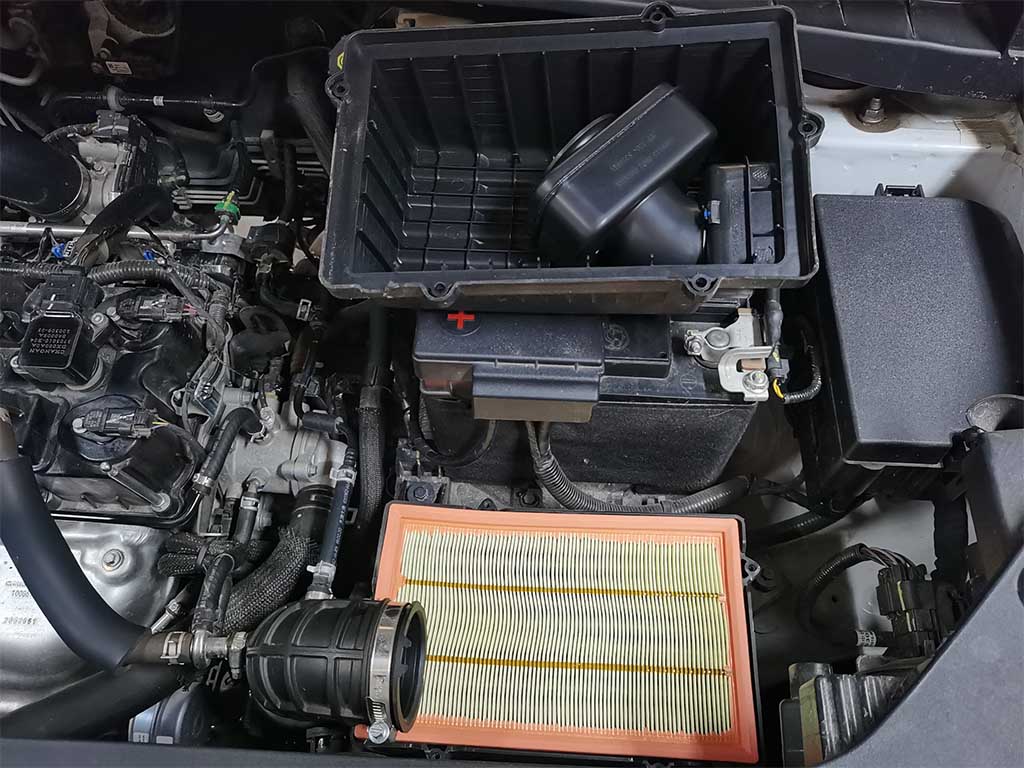
Next, we’ll move on to the air filter. This one’s responsible for keeping all the dirt, dust, and other airborne particles out of your engine’s intake system. A clogged air filter restricts airflow, leading to reduced engine performance, decreased fuel efficiency, and potentially even damage to your engine. The recommended replacement interval for the air filter on your Changan CS55 and CS55 Plus is usually around every TEN THOUSAND to FIFTEEN THOUSAND kilometers, again, always check your owner’s manual. Similar to the oil filter, you can opt for the original Changan air filter or explore high-quality aftermarket alternatives. When inspecting your air filter, look for visible dirt or debris. If it’s heavily soiled, it’s time for a replacement. A clean air filter ensures your engine breathes easily, maximizing its performance and efficiency.
Finally, let’s talk about the cabin air filter. This one’s all about keeping the air inside your car clean and fresh. It filters out pollen, dust, mold spores, and other airborne contaminants that can affect your respiratory health and overall comfort. The replacement schedule for the cabin air filter is generally recommended every TWELVE THOUSAND to TWENTY THOUSAND kilometers, or even more frequently if you live in a particularly dusty or polluted area. Again, consult your owner’s manual for the specific recommendation. Replacing a dirty cabin air filter can significantly improve the air quality inside your vehicle, leading to a more pleasant and healthier driving experience. You can find both original Changan cabin air filters and various aftermarket options. When choosing a replacement, ensure it’s the correct size and type for your Changan CS55 or CS55 Plus. A clean cabin air filter is a small investment that yields big rewards in terms of your health and comfort. Remember, regular filter replacements are key to maintaining the peak performance and longevity of your Changan CS55 and CS55 Plus. Don’t neglect these vital components!
Hey everyone, let’s dive right into the filters for your Changan CS55 and CS55 Plus. First up, we’ve got the air filter. This little guy is crucial for the health of your engine. It sits nestled in the engine bay, usually in a pretty easily accessible location. Think of it as your engine’s lungs – it prevents dust, dirt, and other debris from entering the combustion chamber. A clogged air filter restricts airflow, leading to reduced engine performance, decreased fuel efficiency, and even potential damage to your engine over time. We’re talking potentially lower gas mileage, a rougher idle, and even a check engine light. Replacing it is usually a straightforward process, and you can find plenty of tutorials online showing you exactly how to do it yourself, saving you some money on labor costs. But remember, always check your owner’s manual for the specific location and replacement instructions for your particular model year. Generally, you should aim to replace your air filter every TWELVE to FIFTEEN THOUSAND miles, or more frequently if you drive in particularly dusty or dirty conditions. Think off-roading or frequent construction zones – those environments really take a toll on your air filter.
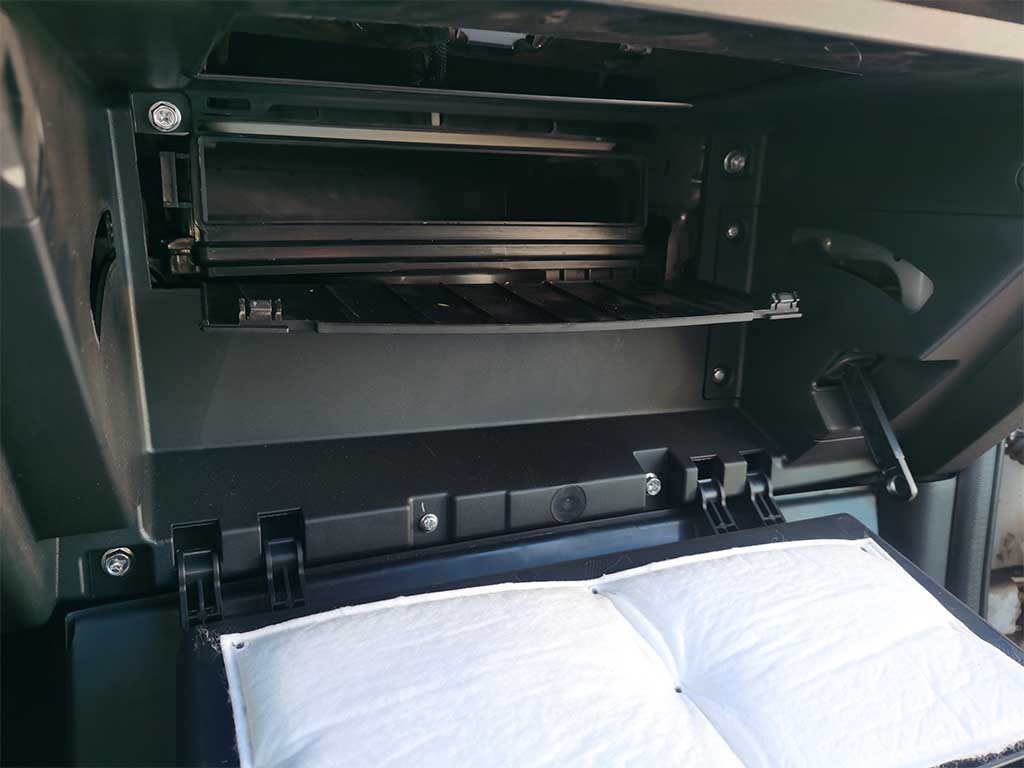
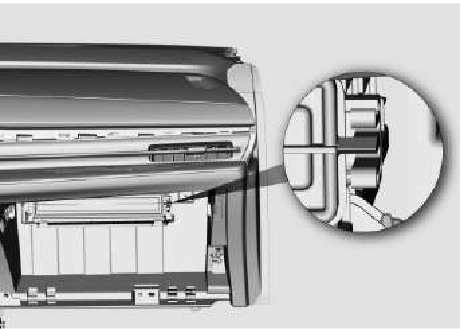
Next, let’s talk about the cabin air filter. This one’s all about keeping the air inside your car clean and fresh for you and your passengers. It’s located inside the cabin, usually behind the glove box or under the dashboard. Accessing it can vary slightly depending on the model year, so again, your owner’s manual is your best friend here. This filter traps pollen, dust, mold spores, and other airborne contaminants, preventing them from circulating through your ventilation system. A dirty cabin air filter can lead to unpleasant odors, reduced airflow from your vents, and even potential allergy or respiratory problems for you and your passengers. Replacing this one is usually even easier than the air filter, often just a simple clip-in and clip-out process. For this one, I’d recommend replacing it every SIX to TWELVE MONTHS, or even more often if you have allergies or live in a particularly dusty or polluted area. Think about it – you’re breathing this air! Keeping it clean is a priority.
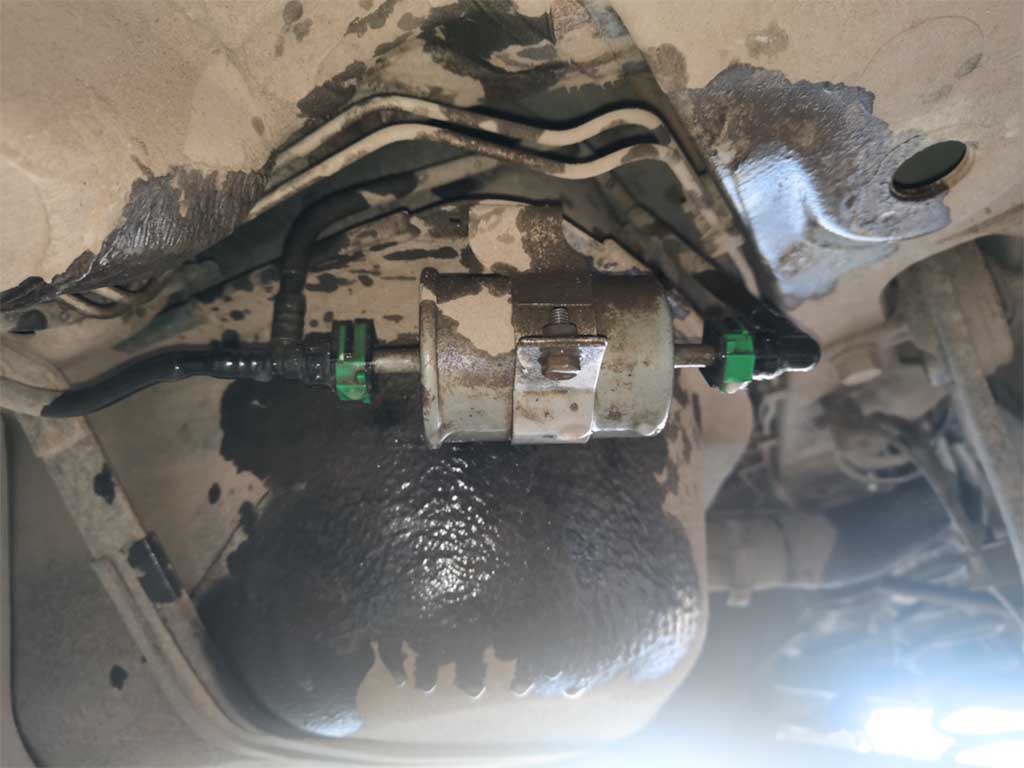
Finally, let’s discuss the fuel filter. Now, this one is a bit more involved. The fuel filter cleans the fuel before it reaches your engine, removing any contaminants that might be present in your gasoline. A clogged fuel filter can restrict fuel flow, leading to decreased engine performance, poor fuel economy, and even engine stalling. Finding this one can be a little trickier, and replacing it often requires a bit more mechanical know-how. It’s usually located somewhere along the fuel line, often under the vehicle. Because of its location and the potential for fuel spills, I strongly recommend consulting your owner’s manual for precise location and replacement instructions. You might even want to consider taking this one to a professional mechanic, especially if you’re not comfortable working under your car. The replacement interval for the fuel filter varies depending on the vehicle and fuel quality, but generally, it’s recommended to replace it every THIRTY to SIXTY THOUSAND miles, or as recommended in your owner’s manual. Don’t underestimate the importance of this one – a clean fuel supply is essential for a healthy engine.