Hey everyone, let’s dive into the world of spark plugs for your Changan CS55 and CS55 Plus. We’re going to cover everything you need to know, from the basics of how they work to how to tell when they need replacing and even what parts you should be looking for.
First off, let’s talk about the spark plug principle. It’s actually pretty simple. Inside your engine, you have a mixture of air and fuel. To make this mixture explode and power your car, you need a spark – a powerful electrical discharge. That’s exactly what the spark plug does. It’s a small but vital component that receives a high-voltage electrical charge from your ignition system. This charge jumps the gap between the spark plug’s electrodes, creating that crucial spark that ignites the air-fuel mixture. Think of it as the tiny match that starts the combustion process in each cylinder of your engine. Without a properly functioning spark plug, your engine simply won’t run. The gap between the electrodes is incredibly small, usually measured in millimeters, and even a tiny amount of wear or fouling can significantly impact its performance. The design itself is pretty robust, but the intense heat and pressure within the combustion chamber mean they’re not indestructible.
Now, let’s talk about the lifespan of a spark plug. This isn’t a fixed number, unfortunately. It depends on several factors, including the quality of the spark plug itself, the type of fuel you use, your driving style, and even the overall condition of your engine. Generally, you can expect to replace your spark plugs somewhere between SIXTY THOUSAND and ONE HUNDRED THOUSAND kilometers. However, some manufacturers might recommend replacement as early as FORTY THOUSAND kilometers, while others might stretch it to ONE HUNDRED TWENTY THOUSAND kilometers. Always check your owner’s manual for the specific recommendations for your Changan CS55 or CS55 Plus. Using lower-quality spark plugs will often mean shorter lifespans, so investing in good quality parts is always a worthwhile consideration. Ignoring recommended replacement intervals can lead to decreased engine performance, reduced fuel economy, and even potential engine damage.
So, how do you know when it’s time for new spark plugs? There are several telltale signs. One of the most obvious is a noticeable decrease in engine performance. This could manifest as a loss of power, hesitation when accelerating, or rough idling. You might also notice a change in your fuel economy – your car might be using more fuel than usual. Another common symptom is a misfire. This is when one or more cylinders aren’t firing properly, often resulting in a rough running engine and potentially a check engine light illuminating on your dashboard. If you notice a persistent smell of unburnt fuel, that’s another strong indicator that your spark plugs might be failing. And finally, if you’re experiencing difficulty starting your engine, especially when it’s cold, worn spark plugs could be the culprit. Remember, catching these issues early can prevent more serious and costly problems down the line. Don’t ignore these warning signs.
Finally, let’s talk about replacing your spark plugs. This is something that many car owners can tackle themselves, but if you’re not comfortable working on your car, it’s always best to take it to a qualified mechanic. Before you start, make sure you have the correct spark plugs for your Changan CS55 or CS55 Plus. Your owner’s manual will list the correct part number for the original equipment manufacturer (OEM) spark plugs. You can also find this information online, but always double-check to ensure you’re getting the right ones. There are many analog spark plugs available, often at a lower price point, but it’s crucial to ensure they meet the specifications for your engine. Using the wrong spark plugs can damage your engine, so accuracy is paramount. When replacing the spark plugs, remember to follow the proper torque specifications to avoid damaging the threads in your engine. This information is usually found in your owner’s manual or online repair guides. And remember, safety first! Always disconnect the negative terminal of your battery before starting any work on your ignition system.
Hey everyone, let’s dive into the world of spark plugs for your Changan CS55 and CS55 Plus. We’re going to cover everything you need to know, from identifying the correct original spark plugs to actually changing them yourself.
First up, let’s talk about the original spark plugs for the Changan CS55 engine. Now, this is crucial because using the wrong type can seriously impact your engine’s performance and longevity. For the Changan CS55, depending on the year and specific engine configuration, you’ll find a few different original part numbers. I’ll show you exactly where to find this information – usually in your owner’s manual or online through the Changan parts database. We’ll be looking at those part numbers in detail, showing you exactly what to look for when ordering replacements. It’s really important to double-check this information, because using the wrong spark plug can lead to misfires, poor fuel economy, and even engine damage. We don’t want that, right? So take your time, verify the information, and make sure you’re getting the correct part number for your specific Changan CS55 model. We’ll also be showing close-up shots of the original spark plugs so you can visually identify them.
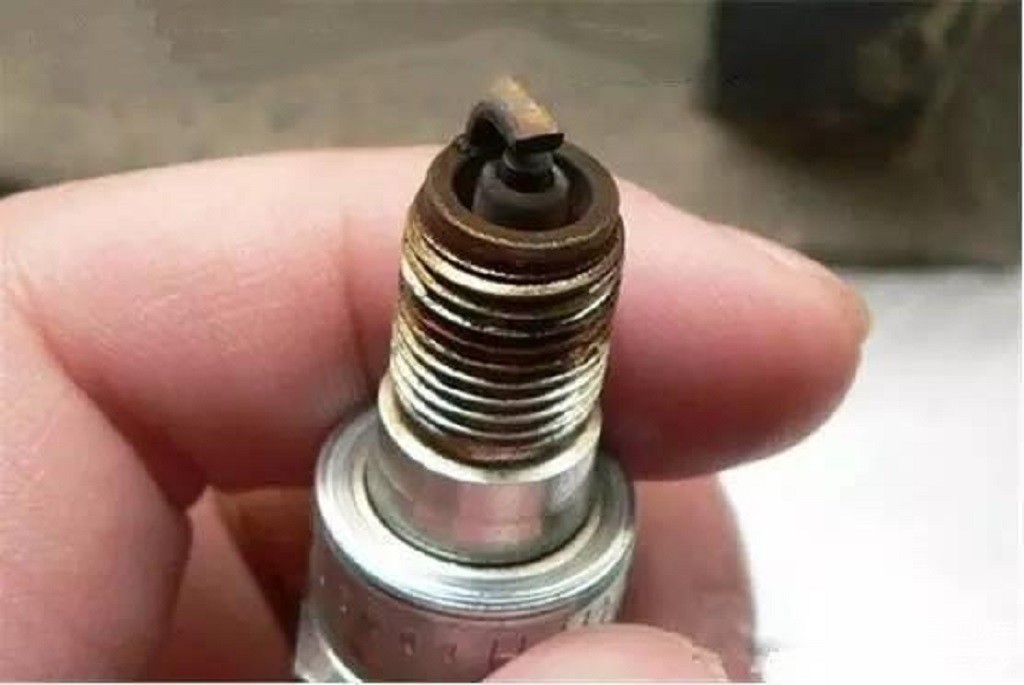
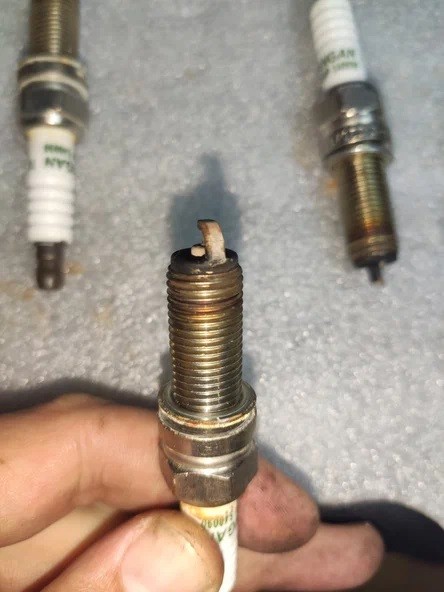
Next, let’s talk about the routine maintenance of your spark plugs. Regular checks and replacements are key to keeping your Changan CS55 or CS55 Plus running smoothly. Now, the recommended replacement interval is usually around every SIXTY THOUSAND to EIGHTY THOUSAND kilometers, but this can vary depending on your driving style and the quality of your fuel. However, it’s always a good idea to have them inspected during your regular service intervals. We’ll show you some telltale signs of worn-out spark plugs – things like excessive wear on the electrodes, carbon buildup, or even cracks in the ceramic insulator. These visual cues can help you determine if a replacement is needed sooner than expected. Remember, neglecting your spark plugs can lead to a whole host of problems, so regular checks are essential.
Now for the practical part – how to actually change your spark plugs. This is something many of you can do at home, saving you some money on labor costs. But before you start, remember safety first! Always disconnect the negative terminal of your battery before you begin any work on your ignition system. This prevents accidental shorts and protects you from electrical shocks. We’ll walk you through the entire process step-by-step, showing you how to locate the spark plugs, remove the old ones, and install the new ones correctly. We’ll cover everything from using the correct tools – like a spark plug socket and wrench – to ensuring the correct torque when tightening the new plugs. We’ll also show you how to properly gap your spark plugs if necessary, ensuring optimal performance. This is a crucial step, and getting it wrong can lead to poor engine performance. We’ll be using a gap tool to demonstrate the correct procedure. And remember, don’t over-tighten the spark plugs – this can damage the threads in your engine block. We’ll show you the correct tightening torque for your Changan CS55 and CS55 Plus. After the installation, we’ll show you how to reconnect the battery and start the engine to ensure everything is working correctly.
- Читайте также:
Finally, let’s briefly discuss alternative spark plugs – the analogs. While using the original Changan spark plugs is always recommended, there are some reputable aftermarket brands that offer comparable quality at a potentially lower price. We’ll discuss some of these options, highlighting their specifications and ensuring they meet the requirements of your Changan CS55 or CS55 Plus engine. However, always remember to carefully check the specifications and ensure compatibility before purchasing any aftermarket spark plugs. Using the wrong type can have negative consequences, so it’s crucial to do your research and make an informed decision. We’ll show you some examples of suitable analogs and explain what to look for when comparing them to the original parts. Remember, choosing the right spark plug is vital for your engine’s health and performance.