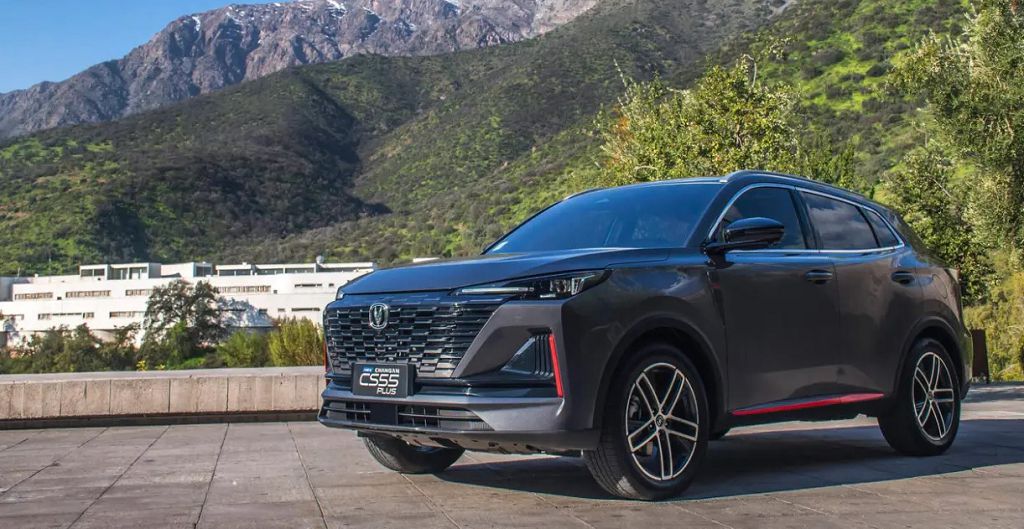
Hey everyone, let’s dive deep into the heart of the Changan CS55 and CS55 Plus – their engines. We’re going to unpack the technical specifications, explore the somewhat surprising dynamics, and ultimately, assess their reliability and lifespan.
First off, let’s talk technical specifications. The Changan CS55 and CS55 Plus typically utilize ONE-POINT-FIVE liter turbocharged petrol engines. These engines often boast a respectable power output, usually around ONE HUNDRED AND EIGHTY horsepower, and a decent torque figure, typically in the region of TWO HUNDRED AND SIXTY Newton-meters. Now, these numbers are pretty standard for this class of vehicle, but it’s important to remember that specific outputs can vary slightly depending on the exact model year and any regional variations. We’re talking about things like compression ratios, specific fuel injection systems, and even minor tweaks to the turbocharger itself. It’s always a good idea to check your owner’s manual for the precise specifications of your particular engine. Beyond the core power figures, consider factors like fuel efficiency. While ONE-POINT-FIVE liter turbocharged engines are generally efficient, real-world fuel economy will depend heavily on driving style, terrain, and even things like tire pressure. We’re talking about a significant range of potential fuel consumption, so don’t just rely on the manufacturer’s claimed figures. Always factor in your own driving habits.
Now, here’s where things get interesting: the paradox of CS55 Plus motor dynamics. On paper, the engine specifications look good – decent power, reasonable torque. However, some owners report a slightly underwhelming driving experience. This isn’t necessarily a reflection of a faulty engine, but rather a potential mismatch between the engine’s characteristics and the overall vehicle dynamics. The CS55 Plus, while not a sports car, is not exactly a lightweight either. This means that the ONE-POINT-FIVE liter turbocharged engine might feel a little strained when pushing the vehicle hard, especially when fully loaded or tackling steep inclines. The turbo lag, the slight delay before the turbocharger kicks in and delivers full boost, can also contribute to this feeling of less-than-stellar performance. It’s not necessarily a bad engine, but the overall driving experience might not perfectly align with the numbers on the spec sheet. This is something to keep in mind if you’re prioritizing spirited driving.
Finally, let’s address the elephant in the room: reliability and service life. Predicting the exact lifespan of any engine is tricky, as it depends heavily on maintenance, driving habits, and even environmental factors. However, based on owner reports and independent assessments, the ONE-POINT-FIVE liter turbocharged engines in the Changan CS55 and CS55 Plus generally seem to be reasonably reliable. Regular servicing, using the correct oil and filters, and avoiding aggressive driving are crucial for maximizing the engine’s lifespan. Neglecting maintenance can significantly shorten the engine’s life, leading to premature wear and tear. Remember, preventative maintenance is key. Sticking to the manufacturer’s recommended service intervals is a good starting point. And remember, always consult a qualified mechanic if you notice any unusual noises, vibrations, or changes in performance. With proper care, these engines should provide many years of trouble-free service. But remember, like any engine, they are not immune to potential issues. Staying proactive with maintenance is your best bet for a long and happy relationship with your Changan CS55 or CS55 Plus.
Hey everyone, let’s dive deep into the heart of the Changan CS55 and CS55 Plus – their engines! We’re talking about the powerplants that make these SUVs tick, their lifespan, and just how reliable they really are.
First off, let’s talk about the engine found in the original CS55. Now, depending on the year and region, you might find a few variations, but generally, we’re looking at a naturally aspirated engine, usually a FOUR-cylinder. These engines are known for their simplicity and relatively low maintenance requirements. They’re not going to blow you away with horsepower, but they’re reliable workhorses, perfect for everyday driving. We’re talking about engines designed for longevity and ease of use. Think about the typical maintenance schedule – oil changes, filter replacements, the usual suspects. With proper care, these engines can easily reach and surpass TWO HUNDRED THOUSAND kilometers, maybe even THREE HUNDRED THOUSAND, depending on driving habits and maintenance. We’ll look at some specific examples of reported mileage later in the video, so keep an eye out for those. Remember, regular servicing is key here – don’t neglect those oil changes!
Now, let’s move on to the CS55 Plus. This is where things get interesting. Changan made some significant upgrades, and the engine in the CS55 Plus is often touted as a real game-changer. In fact, I’ve heard some whispers that it even holds a Guinness World Record – though I haven’t been able to independently verify that claim just yet. I’ll be digging into that further and will update you guys if I find any concrete evidence. But even without the Guinness claim, the engine in the CS55 Plus is a significant improvement over its predecessor. We’re talking about potentially higher horsepower and torque figures, improved fuel efficiency, and often, a more refined driving experience. The engineering behind this engine is quite impressive, incorporating advanced technologies to enhance performance and reliability. Again, proper maintenance is crucial, but early reports suggest this engine might even surpass the longevity of its predecessor. We’re talking potentially even higher mileage before needing major repairs.
Finally, let’s talk about the team behind these engines – the Changan engineering team. These guys are serious players in the automotive world. They’ve invested heavily in research and development, constantly striving to improve their engine technology. They’re not just slapping together parts; they’re designing engines with specific goals in mind – durability, efficiency, and performance. Their commitment to quality is evident in the overall build quality of the Changan vehicles, and their engines are no exception. It’s this dedication to engineering excellence that contributes significantly to the reliability and longevity of the CS55 and CS55 Plus engines. They’re constantly innovating, and it shows. So, while we can’t guarantee a specific lifespan for any engine, the combination of robust design and the commitment of the Changan team gives us a good reason to be optimistic about the long-term performance of these powerplants.



- Читайте также: