So, we’re diving headfirst into the world of mid-size Chinese SUVs today, comparing THREE heavy hitters: the Changan CS55 Plus, the Chery Tiggo SEVEN Pro, and the Omoda C FIVE. Let’s kick things off with the design and exterior.
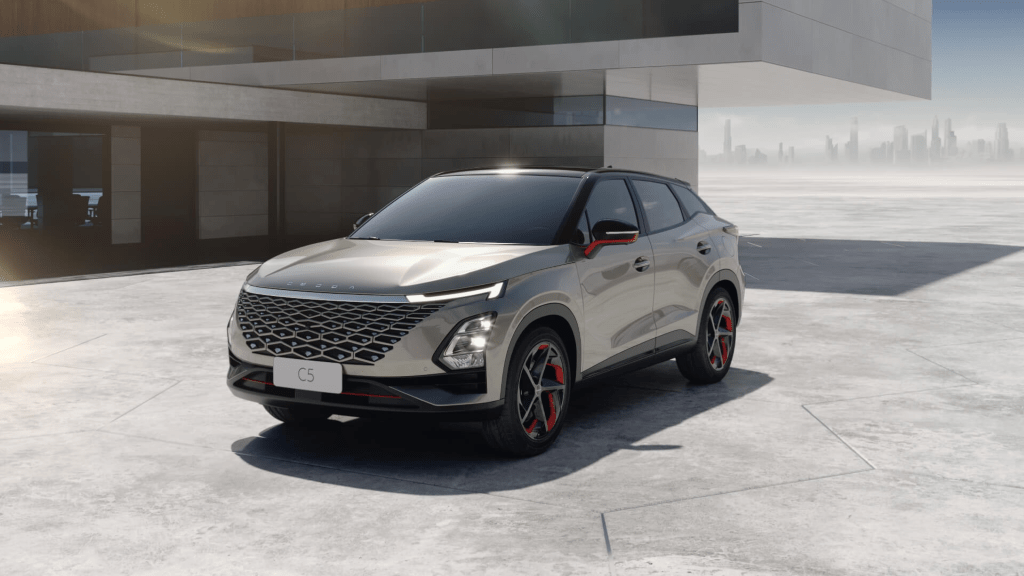
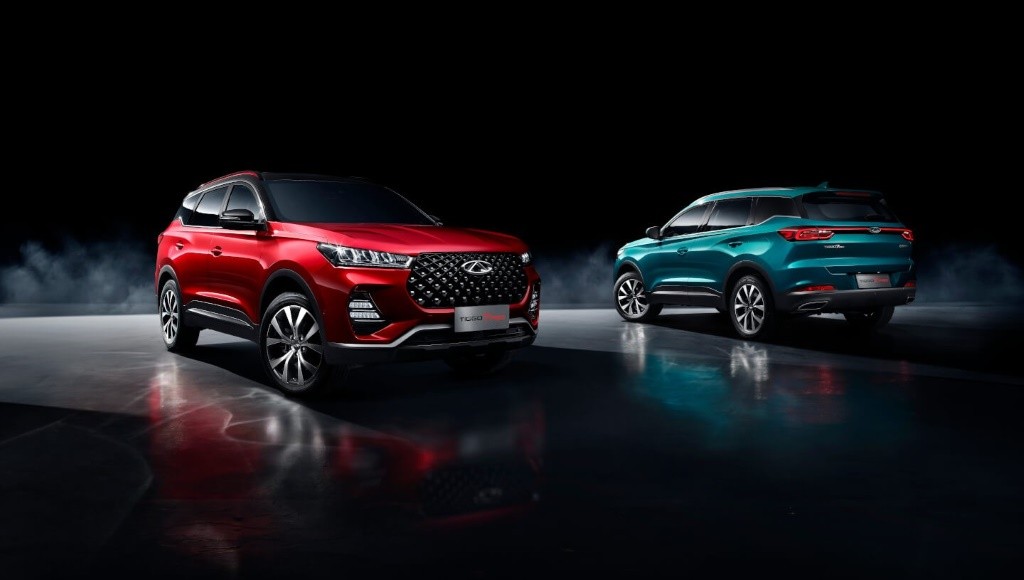
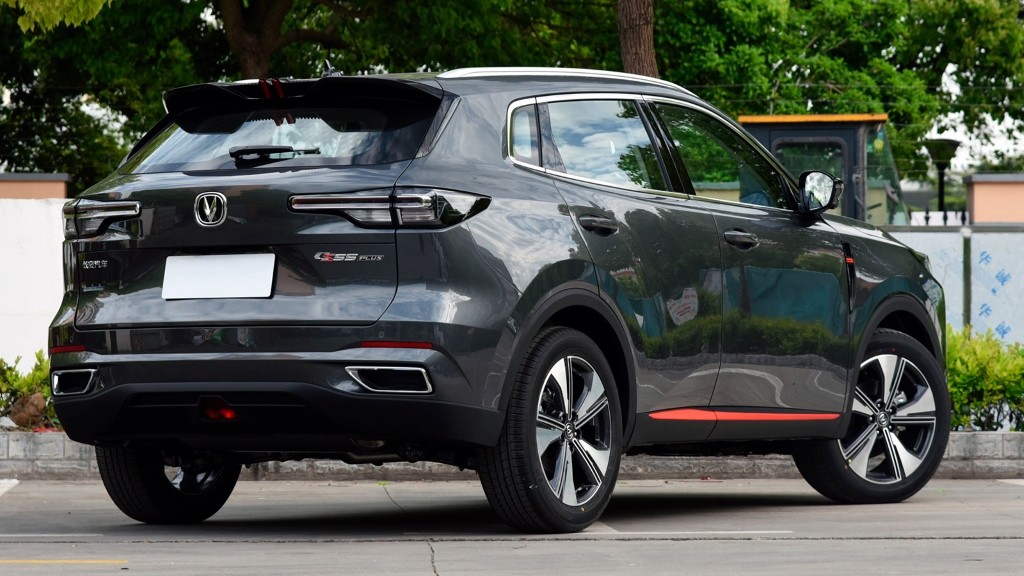
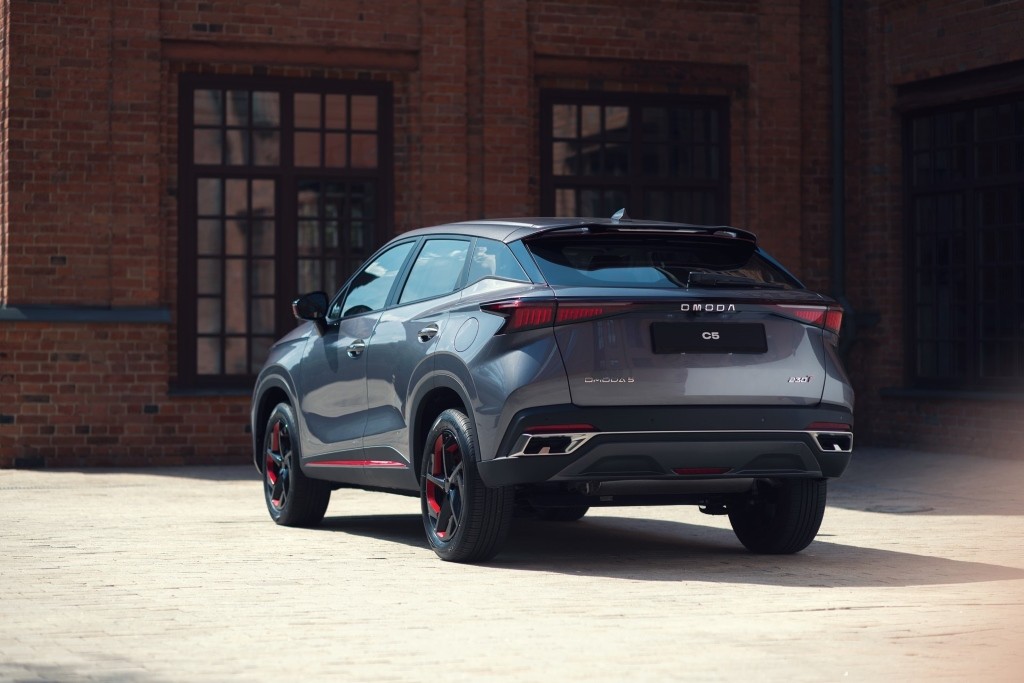
Right off the bat, these THREE SUVs offer vastly different aesthetics. The Changan CS55 Plus boasts a more mature and sophisticated look. Its lines are clean, its proportions are balanced, and it generally projects an air of understated elegance. I particularly like the way the headlights integrate with the grille – it’s a really cohesive design. The Tiggo SEVEN Pro, on the other hand, is a bit more aggressive. Think sharper lines, more pronounced creases, and a generally sportier stance. It’s definitely a head-turner, and if you’re looking for something that makes a statement, this is it. Then we have the Omoda C FIVE, which takes a completely different approach. It’s got a more futuristic, almost minimalist design language. The smooth surfaces, the sleek lines, and the overall streamlined profile give it a very modern and tech-forward feel. Personally, I think it’s the most distinctive of the THREE, but beauty, as they say, is in the eye of the beholder. We’re talking about subtle differences in wheel designs, the size and shape of the grilles, and the overall detailing. But these small details add up to create THREE very different visual identities. It really comes down to personal preference.
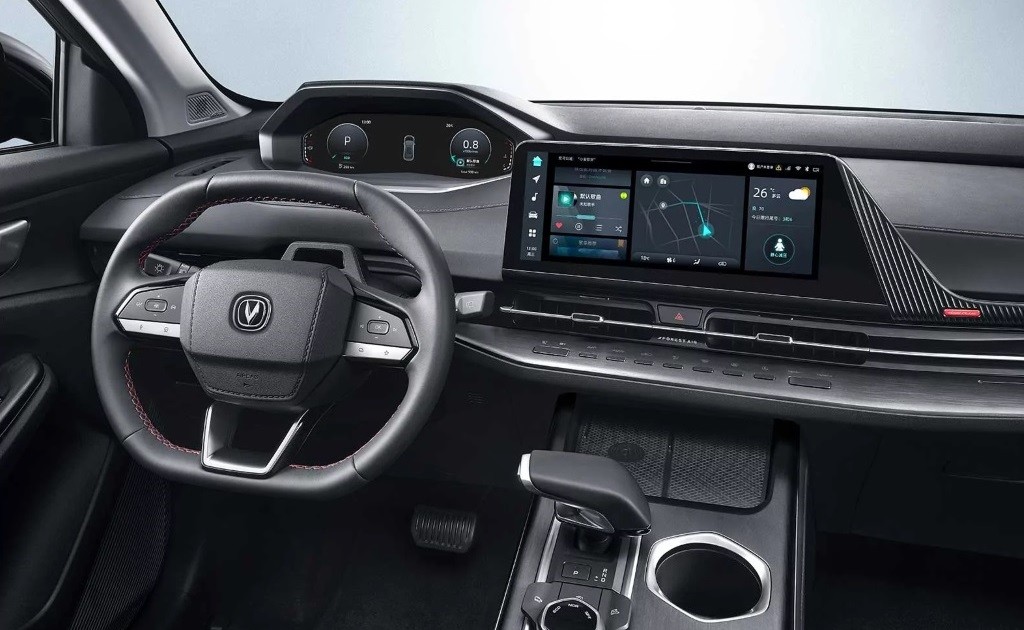
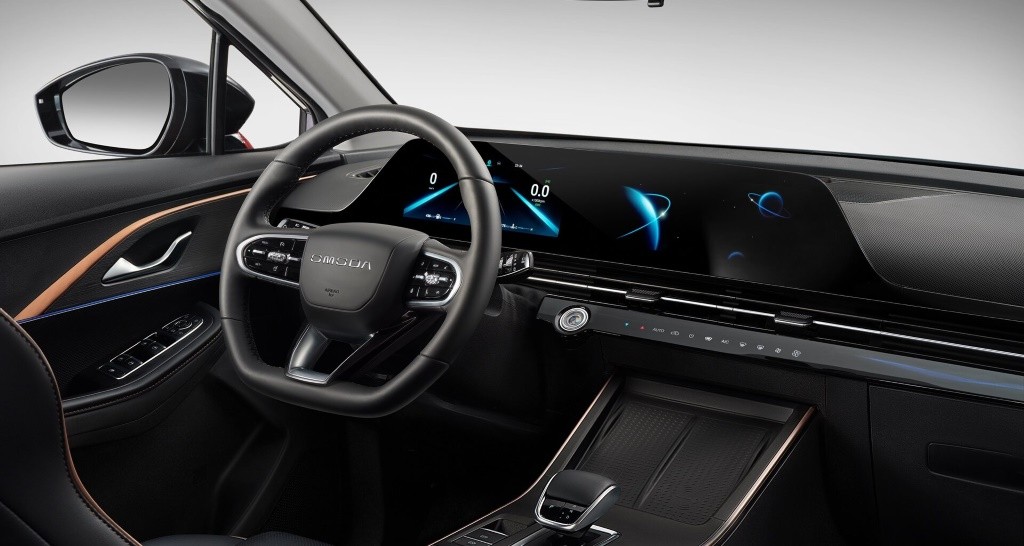
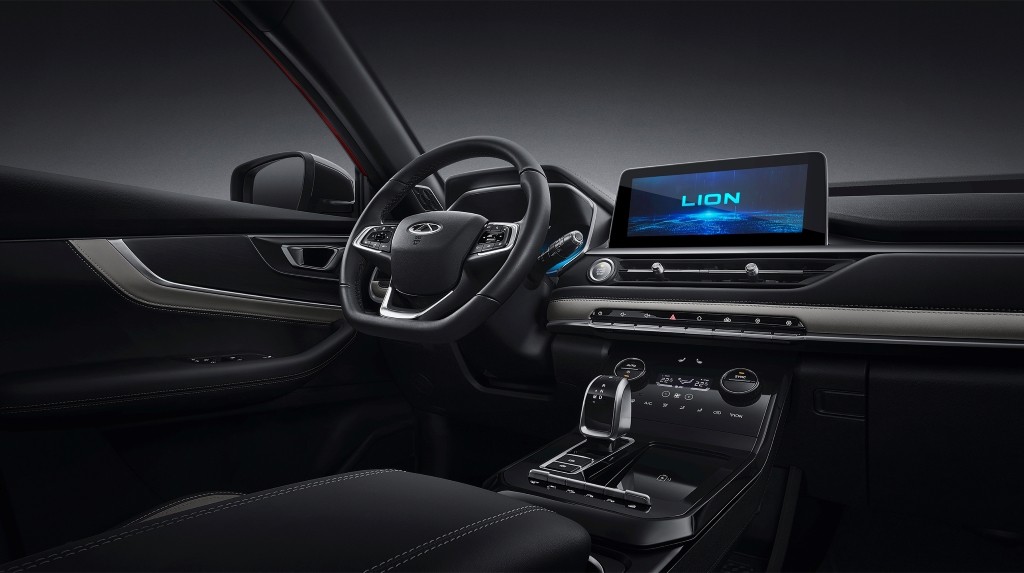
Moving on to the interiors. Here, the differences are just as striking. The Changan CS55 Plus offers a comfortable and relatively conventional interior. The materials are generally high-quality, the layout is intuitive, and it feels quite spacious. It’s not flashy, but it’s undeniably well-executed. The Tiggo SEVEN Pro, however, opts for a more modern and tech-focused approach. You’ll find a larger infotainment screen, a more digital instrument cluster, and a generally more futuristic feel. The materials are also quite good, but the overall design is more daring and less conservative than the CS55 Plus. Finally, the Omoda C FIVE takes the tech-forward approach even further. It’s got a massive, almost panoramic, infotainment screen that dominates the dashboard. The design is minimalist and clean, with a focus on functionality and a seamless integration of technology. The materials used feel premium, and the overall ambiance is one of modern sophistication. Again, it’s a matter of personal preference, but each of these interiors offers a distinct character and caters to different tastes. Consider the size and placement of the screens, the quality of the materials, and the overall layout when making your decision. Think about how you want your driving experience to feel.
Now, let’s talk practicality. This is where things get interesting. All THREE SUVs offer comparable passenger space, with ample room for FIVE adults. However, the cargo space varies slightly. The Changan CS55 Plus offers a decent amount of boot space, suitable for most everyday needs. The Tiggo SEVEN Pro is very similar in this regard. The Omoda C FIVE, however, might offer a slightly smaller boot, but it makes up for it with clever storage solutions throughout the cabin. Think hidden compartments, thoughtful cubby holes, and well-designed door pockets. Beyond boot space, consider things like the ease of access to the rear seats, the visibility from the driver’s seat, and the overall ergonomics of the cabin. These are all crucial factors that contribute to the overall practicality of an SUV. Think about your lifestyle and how you intend to use the vehicle. Do you need a large boot for transporting bulky items? Or are you more concerned with having plenty of smaller storage spaces for everyday items? These are the questions you need to ask yourself.
Okay, let’s dive straight into comparing these THREE fantastic mid-size Chinese SUVs: the Changan CS55 Plus, the Chery Tiggo SEVEN Pro, and the Omoda C FIVE. We’re going to break down their performance, and then look at some key technical aspects.
First up, performance. Now, this is subjective, of course, because what one person considers «good performance» might differ from another. But we can look at some objective measures. Let’s talk horsepower and torque. The Changan CS55 Plus, depending on the engine option, typically offers somewhere in the range of ONE HUNDRED AND FORTY to ONE HUNDRED AND SEVENTY horsepower. The Tiggo SEVEN Pro usually sits a little higher, often boasting around ONE HUNDRED AND SEVENTY-FIVE to ONE HUNDRED AND NINETY horsepower. The Omoda C FIVE tends to fall somewhere in between, usually around ONE HUNDRED AND SIXTY horsepower. But horsepower isn’t everything. Torque is crucial for that feeling of pulling power, especially when you’re overtaking or climbing hills. We’ll need to look at the specific torque figures for each model year and trim level to get a truly accurate comparison, but generally speaking, the Tiggo SEVEN Pro often has a slight edge in this area.
Now, let’s talk about the driving experience itself. How do these cars actually feel on the road? The CS55 Plus often gets praised for its comfortable ride, making it a good choice for long journeys. The Tiggo SEVEN Pro, while also comfortable, might offer a slightly sportier feel, depending on the chosen driving mode. The Omoda C FIVE tends to strike a balance between comfort and responsiveness. It’s not as plush as the CS55 Plus, but it’s not as aggressively sporty as the Tiggo SEVEN Pro. We’ll be taking each of these for a test drive in the video, so you can see and hear for yourselves what the driving experience is like. We’ll pay close attention to things like steering responsiveness, braking performance, and overall handling. We’ll also consider fuel economy, which is always a significant factor for many buyers. We’ll be comparing city and highway fuel consumption figures to give you a realistic picture.
Moving on to the technical aspects. Here, we’ll be looking at things like engine technology, transmission type, safety features, and infotainment systems. Each of these SUVs offers a range of engine options, so we’ll need to compare apples to apples when discussing fuel efficiency and performance. The transmission systems will also vary, with some models offering automatic transmissions and others potentially offering manual options or different types of automatics. This will impact the driving experience, fuel economy, and overall performance. Safety is paramount, and we’ll be comparing the standard and optional safety features across all THREE models. This includes things like airbags, electronic stability control, lane departure warnings, and autonomous emergency braking. Finally, let’s not forget the infotainment systems. We’ll be looking at screen size, user interface, features, and overall ease of use. We’ll be comparing things like smartphone integration, navigation systems, and audio quality. We’ll also look at the overall build quality and materials used in the interior of each vehicle. This is a crucial aspect that can significantly impact the overall ownership experience. Remember to subscribe and leave a comment letting us know which SUV you think is the best!
- Читайте также: