So, we’re diving deep into the BAIC X35, specifically what real owners are saying about it. And let me tell you, the picture isn’t entirely rosy. While there are some definite plus points, there are also some significant drawbacks that potential buyers should be aware of before taking the plunge.
First off, let’s talk about the price point. For many, the BAIC X35’s affordability is a major selling point. It’s positioned as a budget-friendly option, and for those on a tighter budget, that’s a huge advantage. You’re getting a relatively spacious SUV for a price that undercuts many competitors. Owners frequently mention this as a key reason for their purchase. They’re getting a lot of car for their money, especially considering the features included. However, it’s important to remember that you often get what you pay for, and that’s something we’ll explore further.
Now, let’s talk about the driving experience. Many owners report a comfortable ride, especially on smoother roads. The suspension does a decent job of absorbing bumps and potholes, making it a relatively pleasant experience for daily commutes. The engine, while not exactly a powerhouse, is adequate for city driving and shorter journeys. However, when you push it harder, or when you’re driving on longer trips, or tackling inclines, the engine can feel a bit strained and underpowered. Several owners have mentioned this lack of power as a significant drawback, especially when overtaking or driving on highways. Fuel economy is another area where opinions are divided. Some owners report decent fuel consumption, while others find it to be rather thirsty, especially considering the engine’s relatively modest power output.
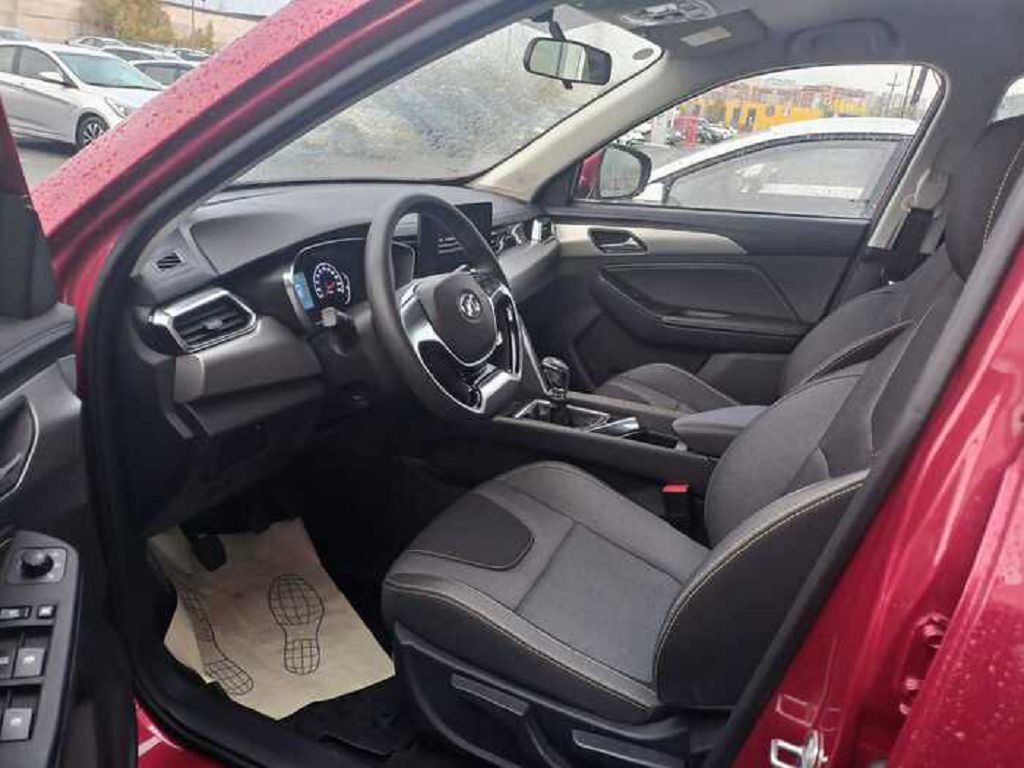
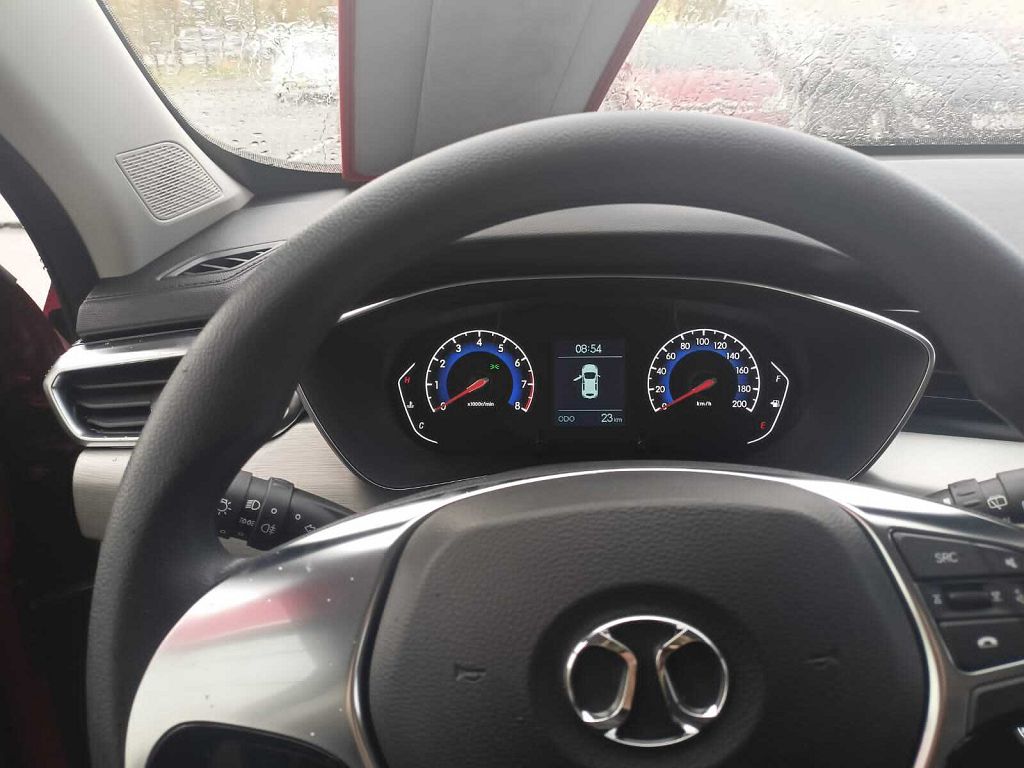
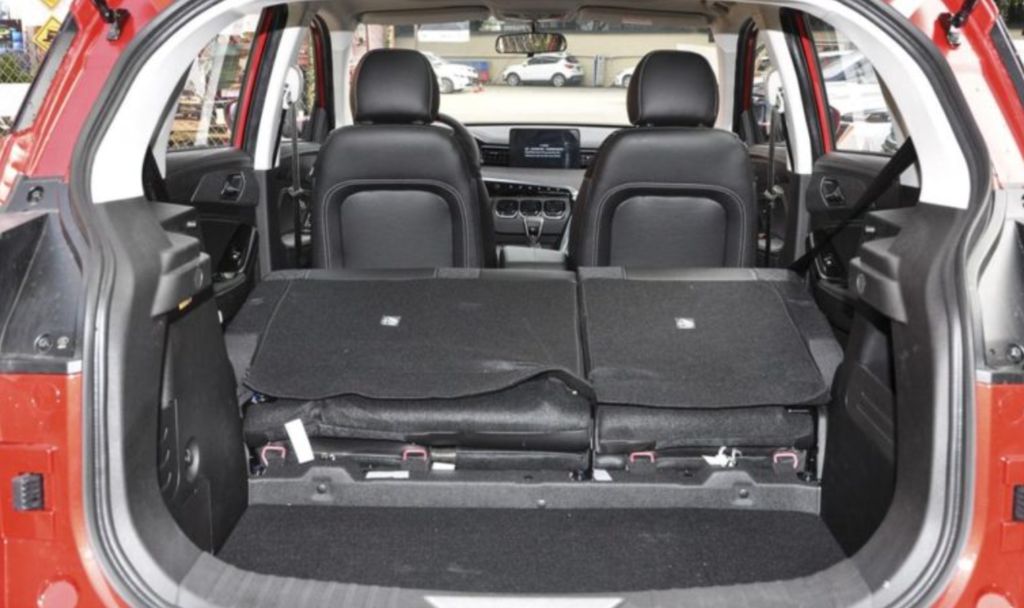
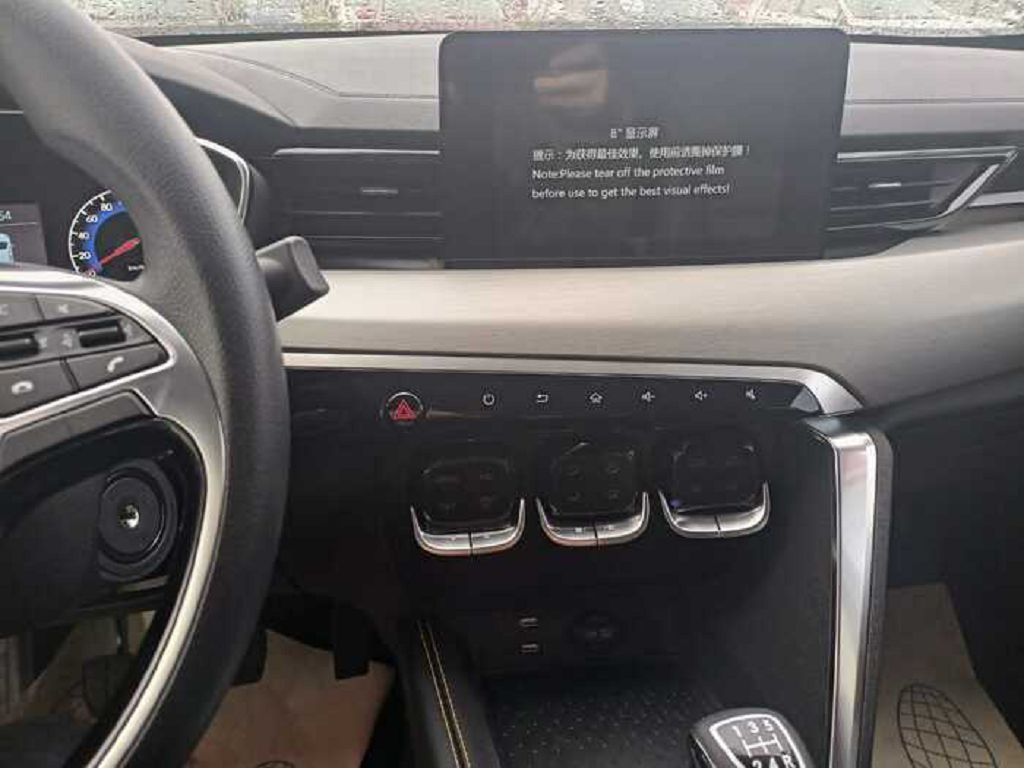
Next, let’s discuss the interior. The cabin space is generally praised. It’s surprisingly roomy for a vehicle in this price bracket, offering ample legroom and headroom for both front and rear passengers. The boot space is also reasonably generous, making it practical for families or those who need to carry a fair amount of luggage. However, the quality of materials used in the interior is where things start to fall short. Many owners have commented on the use of hard plastics throughout the cabin, which can feel cheap and somewhat flimsy. The overall build quality doesn’t quite match the more established brands in the same segment. While functional, it lacks the premium feel you might find in more expensive vehicles.
Finally, let’s touch on reliability. This is where the BAIC X35 receives mixed reviews. Some owners report having no significant issues, while others have experienced various problems, ranging from minor glitches to more serious mechanical faults. The frequency and severity of these issues seem to vary considerably, making it difficult to draw definitive conclusions. Access to parts and service can also be a concern depending on your location. Some owners in more remote areas have reported difficulties finding qualified mechanics familiar with the BAIC X35, which can lead to longer repair times and potentially higher costs. This is a crucial factor to consider, especially if you live outside of major urban centers. The overall reliability of the BAIC X35 seems to be a bit of a lottery, and that’s something potential buyers should keep in mind.
So, my first impressions of the BAIC X35? Let me tell you, it was a bit of a mixed bag. I was really excited to finally get behind the wheel, and for the first few weeks, I was genuinely happy. The fuel economy was surprisingly good, I was averaging around FIFTEEN kilometers per liter in city driving, which is pretty impressive for a vehicle in this class. The infotainment system, while not the most cutting-edge, was intuitive enough and the sound system was decent for everyday listening. The ride was comfortable enough for shorter journeys, and the visibility was surprisingly good, making city driving less stressful than I anticipated. The air conditioning worked like a charm, even during the hottest days of summer, which is a huge plus in my book. And let’s not forget the price – it was a steal! For what I paid, I got a surprisingly well-equipped vehicle. I felt like I’d gotten a really good deal, especially considering the features I was getting. Overall, those first few weeks were really positive, and I felt like I’d made a smart purchase.
But then reality started to set in. While the BAIC X35 might be an optimal option at the bottom of the market, it definitely comes with its compromises. The build quality, for instance, isn’t the best. I started noticing some rattles and squeaks after only a couple of months, and the plastics used throughout the interior feel rather cheap. It’s not something that drastically impacts the functionality of the car, but it does detract from the overall driving experience. The engine, while fuel-efficient, lacks power, especially when accelerating uphill or overtaking. It’s not dangerous, but it definitely requires more planning and anticipation than I’d like. The handling is also a bit underwhelming; it feels a little floaty and unresponsive at times, which can be concerning on less-than-perfect roads. And the suspension, while comfortable on smoother surfaces, struggles significantly on rougher roads, making for a bumpy and sometimes jarring ride. Then there’s the issue of after-sales service. Finding parts can be a challenge, and the wait times for repairs can be quite long. This is a significant drawback, especially if you rely on your vehicle for daily commutes. While the initial purchase price was attractive, the potential for higher maintenance costs down the line is something to seriously consider. Overall, while the BAIC X35 offers a good value proposition initially, it’s crucial to be aware of its limitations and potential long-term expenses before making a purchase.