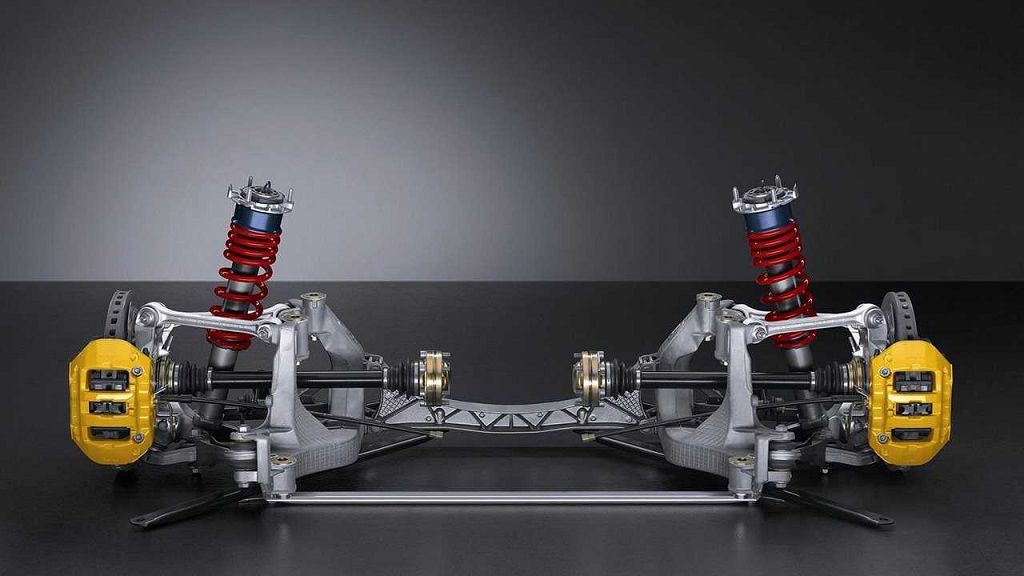
So, let’s dive right into the Geely Atlas PRO’s suspension system. We’re going to be looking at both the front and rear setups, highlighting the good and the not-so-good. First up, the benefits. The Geely Atlas PRO, and its predecessor the Atlas, boast a suspension system designed for a comfortable ride. Now, this isn’t a sports car, so we’re not talking about razor-sharp handling, but for everyday driving, the suspension does a pretty good job of absorbing bumps and imperfections in the road. You’ll find that it handles potholes and uneven surfaces with a surprising amount of grace, keeping the cabin relatively quiet and the ride smooth. This is largely due to the overall tuning of the system, which prioritizes comfort over outright sporty performance. This makes it ideal for long journeys and navigating less-than-perfect road conditions. The engineers have clearly focused on providing a pleasant experience for the occupants, and in that respect, they’ve largely succeeded. The suspension also contributes to a stable feel at higher speeds, giving you a sense of confidence and security on the open road. It’s not going to throw you around in corners, but it’s certainly not going to feel unstable or unpredictable either.
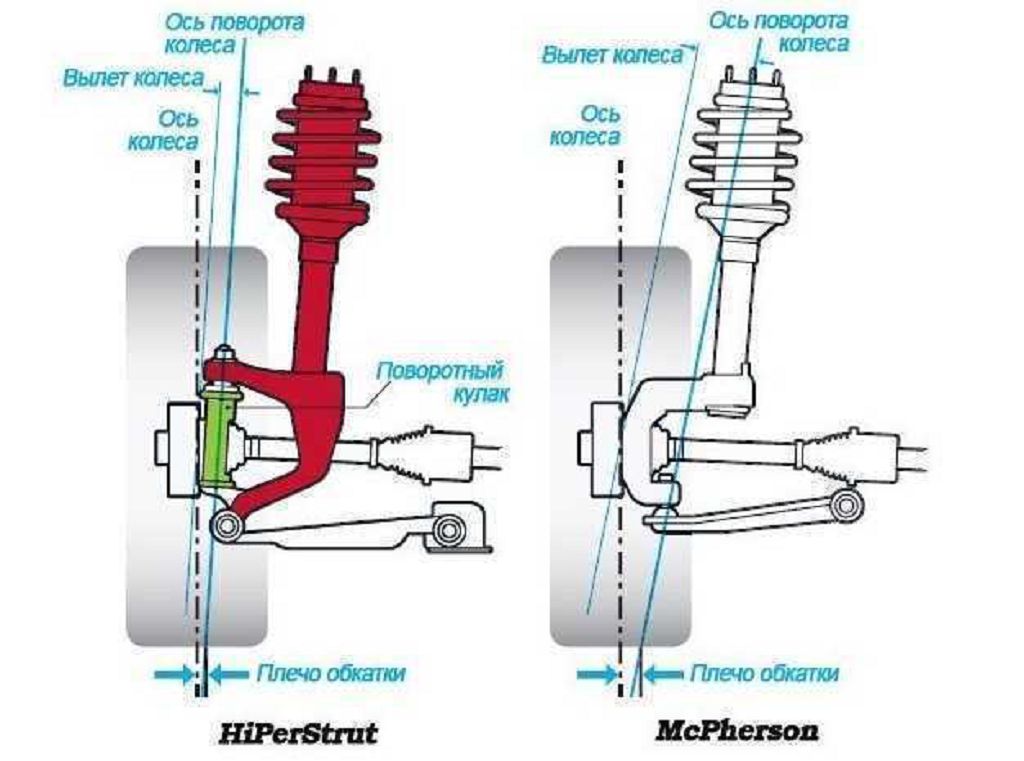
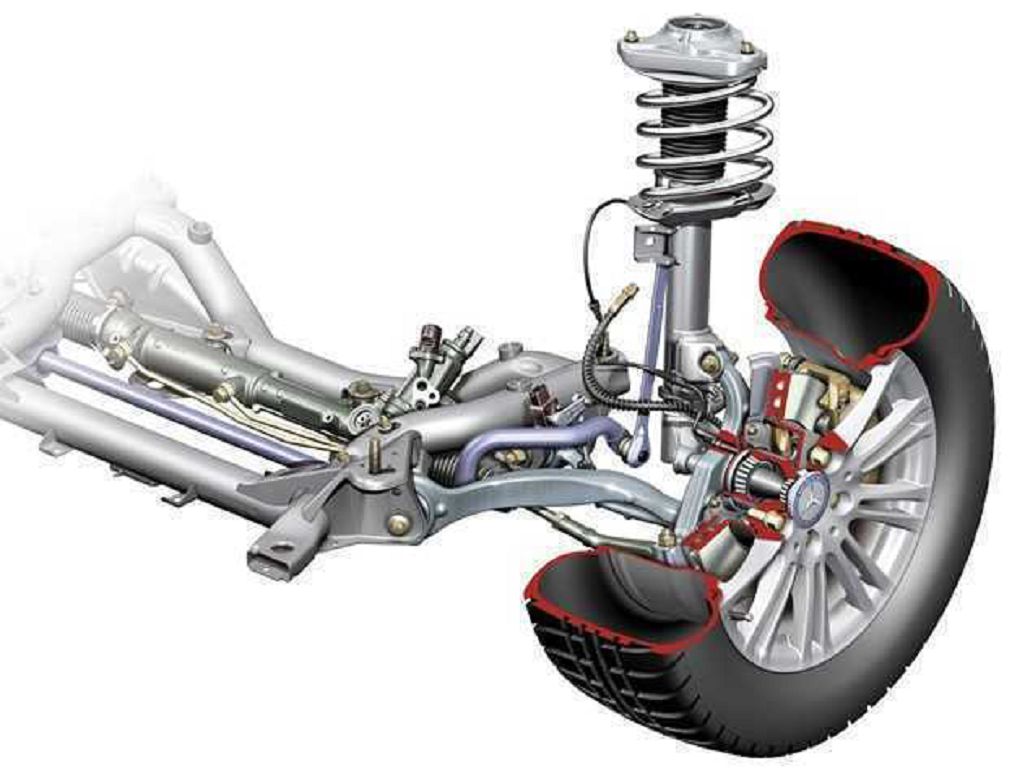
Now, let’s talk about some of the drawbacks, starting with the front suspension. The Geely Atlas PRO uses a McPherson strut setup in the front. While this is a common and generally reliable design, it does have some inherent limitations. One of the main drawbacks is that it can sometimes feel a little less controlled during aggressive cornering. You might experience a bit more body roll than you’d find in a vehicle with a more sophisticated multi-link setup. This isn’t a major issue for most drivers, but if you’re someone who enjoys spirited driving, you might find the front end a little less responsive than you’d prefer. Another potential downside is that the McPherson strut can be more susceptible to wear and tear over time, particularly the bushings and shock absorbers. This can lead to increased noise and a less comfortable ride as components age. Regular maintenance is key to mitigating this, of course. Keep an eye on those bushings and shocks, and don’t hesitate to replace them when necessary. Ignoring this can lead to more significant and costly repairs down the line.
Finally, let’s examine the rear suspension. The rear suspension on the Geely Atlas PRO is also a point of discussion. While it generally provides a comfortable ride, similar to the front, it can sometimes feel a little less refined than the front. Under heavy braking or acceleration, you might notice a slight amount of body movement. This isn’t necessarily a safety concern, but it can detract from the overall driving experience, especially for those who are sensitive to such things. Again, this is a trade-off for the comfort-oriented design. The rear suspension is tuned for a smooth ride, and that sometimes comes at the cost of absolute precision and responsiveness. It’s important to remember that the Atlas PRO is not designed to be a performance vehicle; it’s a family SUV prioritizing comfort and practicality. So, while the rear suspension might not be as sophisticated as some competitors, it still performs its function adequately for the intended purpose. Ultimately, the suspension’s performance is a matter of personal preference and driving style. Some drivers might find it perfectly acceptable, while others might find it lacking in certain areas.
So, let’s dive straight into the rear suspension of the Geely Atlas PRO. Now, while the front uses a pretty standard McPherson strut setup, which is generally reliable, the rear suspension is where things get a little… interesting. One of the main drawbacks many owners report is a somewhat stiff ride, especially over rougher roads. This isn’t necessarily a deal-breaker, but it’s something to be aware of. You might find yourself feeling every little bump and pothole more than you’d like. This stiffness can also translate into increased road noise transmitted into the cabin. It’s not excessively loud, but it’s noticeable compared to some competitors with more sophisticated rear suspension designs. Another point to consider is the potential for premature wear and tear on certain components, particularly the bushings and shock absorbers, if you frequently drive on less-than-ideal road surfaces. This can lead to increased maintenance costs down the line. So, it’s definitely something to keep in mind if you’re considering this vehicle and regularly drive on bumpy roads or frequently haul heavy loads. The design itself isn’t inherently flawed, but it’s definitely not the most comfortable or forgiving setup.
Now, let’s talk about how you can extend the life of your Geely Atlas PRO’s suspension, regardless of whether you find the ride a little firm or not. Proper maintenance is key. This means sticking to the manufacturer’s recommended service intervals for things like shock absorber and bushing inspections. Regularly checking your tire pressure is also crucial, as under-inflated tires put extra stress on the entire suspension system. And don’t forget about wheel alignment. A misaligned wheel can lead to uneven tire wear and put extra strain on various suspension components, accelerating wear and tear. Think of it like this: a well-maintained suspension is a happy suspension, and a happy suspension means a smoother, more comfortable ride and fewer costly repairs.
Finally, let’s address driving habits. Aggressive driving, such as speeding over potholes or taking corners too fast, puts immense stress on your suspension. Think of it like this: every hard landing, every sudden jolt, is like a tiny hammer blow to your suspension components. Over time, these small impacts accumulate, leading to premature wear and tear. So, driving smoothly and avoiding extreme maneuvers will significantly extend the life of your suspension. This means anticipating bumps and slowing down before hitting them, taking corners at a reasonable speed, and avoiding aggressive acceleration and braking. It’s all about being gentle with your vehicle’s suspension system. By adopting a more measured driving style, you’ll not only protect your suspension but also improve your fuel economy and overall driving experience. Remember, a little care goes a long way.