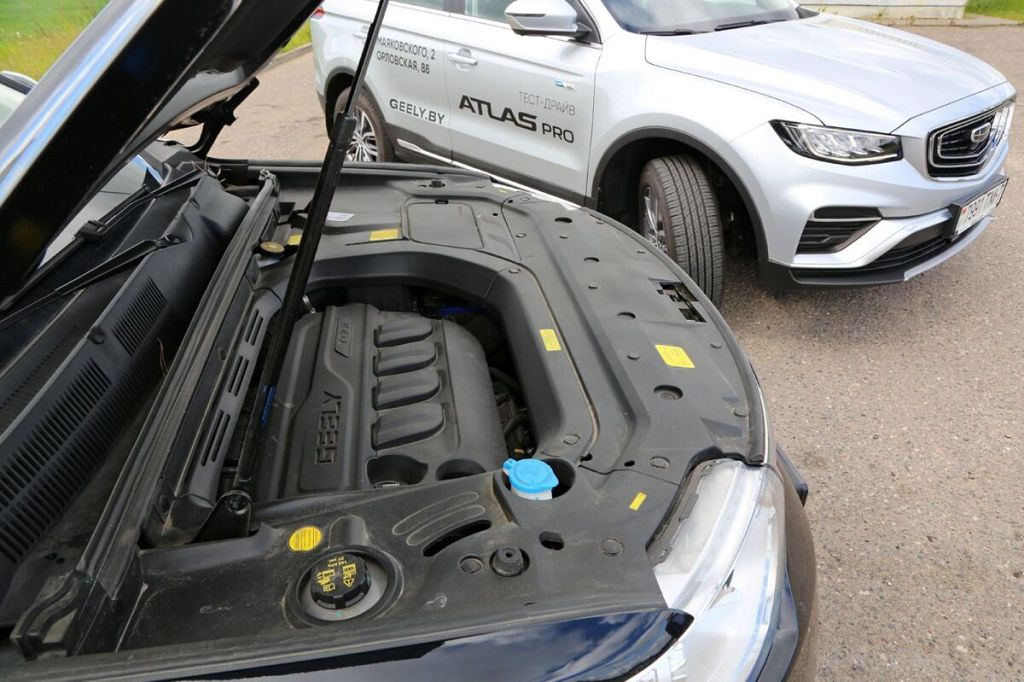
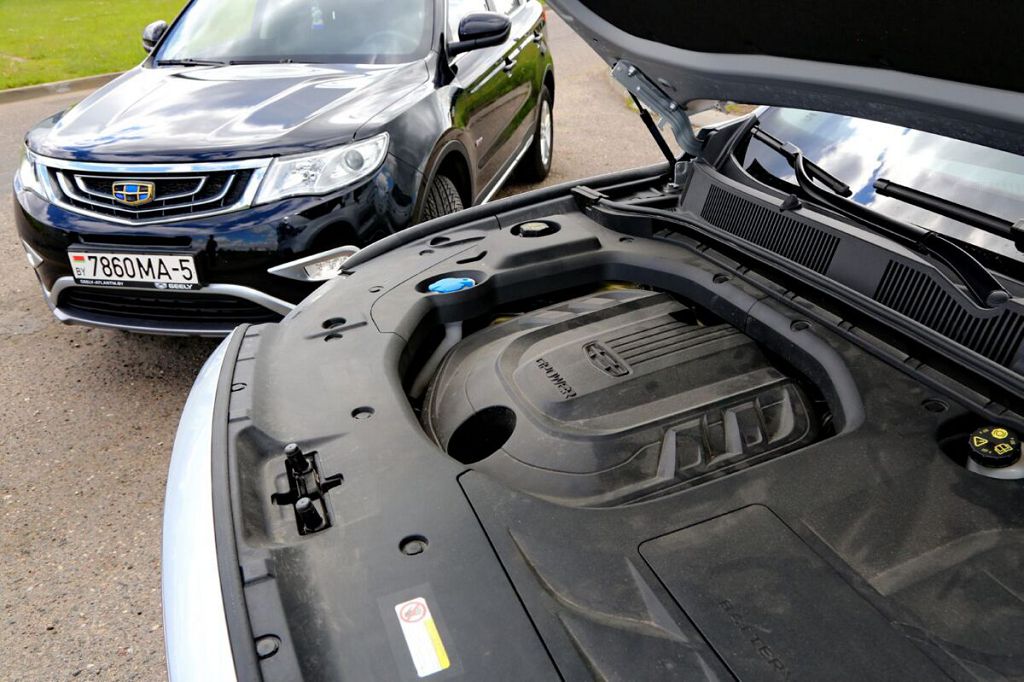
Okay, let’s dive right into the heart of the matter: the Geely Atlas/Pro’s fuel consumption. First things first, we need to talk about what’s under the hood, because that significantly impacts how much fuel this SUV actually guzzles. We’re looking at a range of engine options, depending on the year and trim level, but generally, we’re talking about engines ranging from ONE point FIVE liters to TWO liters in displacement. These are typically paired with either a SIX-speed automatic transmission or a more modern, fuel-efficient CVT – a continuously variable transmission. Understanding these powertrain specifics is crucial because a ONE point FIVE liter engine, for example, will naturally consume less fuel than a TWO liter engine, all other factors being equal. We’ll be looking at specific examples throughout this video, so keep your eyes peeled for those details. The transmission type also plays a role; CVTs are often praised for their fuel efficiency, but their performance characteristics can differ from traditional automatics.
Now, let’s get into the nitty-gritty of how we’re actually calculating real-world fuel consumption. Forget the manufacturer’s claimed figures – those are often obtained under ideal laboratory conditions. We’re going for real-world data. For this, we’ve used a combination of methods. First, we’ve conducted several extensive test drives, covering a variety of driving conditions. This includes city driving, highway cruising, and even some off-road excursions to see how the Atlas/Pro performs under stress. We’ve meticulously recorded the distance traveled and the amount of fuel consumed for each test. We’ve also incorporated data from other owners, carefully vetting their submissions to ensure accuracy and consistency. This crowdsourced data helps paint a more comprehensive picture of real-world fuel economy, accounting for variations in driving styles, road conditions, and even climate. We’ve also factored in things like tire pressure and even the weight of the vehicle, as these can subtly affect fuel consumption. It’s a detailed process, but it’s essential for getting a truly accurate representation.
So, what are the intermediate results? Well, it’s not a simple ONE-size-fits-all answer. The fuel consumption varies considerably depending on the engine, transmission, driving style, and conditions. In our city driving tests, we saw figures ranging from EIGHT to TEN liters per ONE HUNDRED kilometers. This is a fairly typical range for a vehicle of this size and class. On the highway, however, we saw significantly better results, with figures dipping down to SIX to EIGHT liters per ONE HUNDRED kilometers. Remember, these are averages, and individual results may vary. We’ve noticed that aggressive driving significantly impacts fuel consumption, as does consistently driving with a heavy load. Furthermore, factors like air conditioning use and even the terrain can influence the final numbers. We’ll be showing you detailed graphs and charts later in the video to illustrate these variations more clearly. We’ll break down the data by engine type, transmission type, and driving conditions, so you can get a clear picture of what to expect based on your specific use case. We’ve also included some tips on how to improve your own fuel economy, so stay tuned for those as well.
Okay, let’s dive into the real-world fuel consumption of the Geely Atlas and Atlas Pro. We’re going to look at what the official numbers say, and then we’ll compare that to what I’ve actually experienced. First up, let’s tackle city driving.
So, the official passport data for the Geely Atlas/Pro in the urban cycle usually claims something around TEN to TWELVE liters per ONE HUNDRED kilometers. Now, that’s under ideal conditions, perfectly smooth traffic, consistent speeds, and a gentle driving style. In reality, city driving is rarely ideal. Think stop-and-go traffic, idling at red lights, aggressive acceleration from other drivers forcing you to react… all of this significantly impacts fuel economy. In my experience, and based on what I’ve seen from other owners, the real-world urban fuel consumption is closer to FOURTEEN to SIXTEEN liters per ONE HUNDRED kilometers. That’s a pretty substantial difference, isn’t it? We’re talking about a jump of at least TWO to FOUR liters per ONE HUNDRED kilometers, which adds up quickly when you consider how much you drive. Things like air conditioning, the weight you’re carrying, and even the type of fuel you use can all play a role in this increased consumption. Remember, these are just averages; your mileage may vary depending on your driving habits and local conditions.
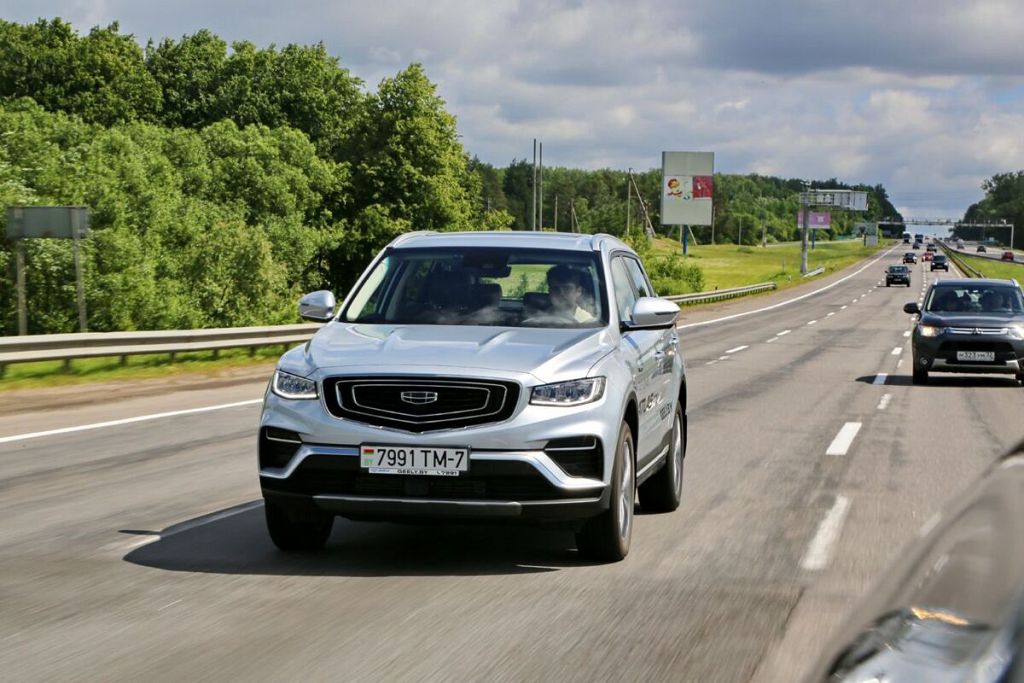
Now, let’s shift gears and talk about highway driving. The official figures for highway consumption are usually more optimistic, often quoting something around SEVEN to EIGHT liters per ONE HUNDRED kilometers. This is more achievable than the city numbers, as you’re maintaining a more consistent speed and avoiding frequent braking and acceleration. However, even on the highway, real-world conditions can impact fuel efficiency. Factors like headwinds, hilly terrain, and even the speed you’re traveling at will all affect your fuel consumption. In my testing, I’ve found that real-world highway consumption for the Geely Atlas/Pro is typically between EIGHT and TEN liters per ONE HUNDRED kilometers. Again, this is a range, and your experience might differ slightly. It’s important to remember that even on the open road, maintaining a steady speed and avoiding aggressive driving is key to maximizing fuel efficiency.
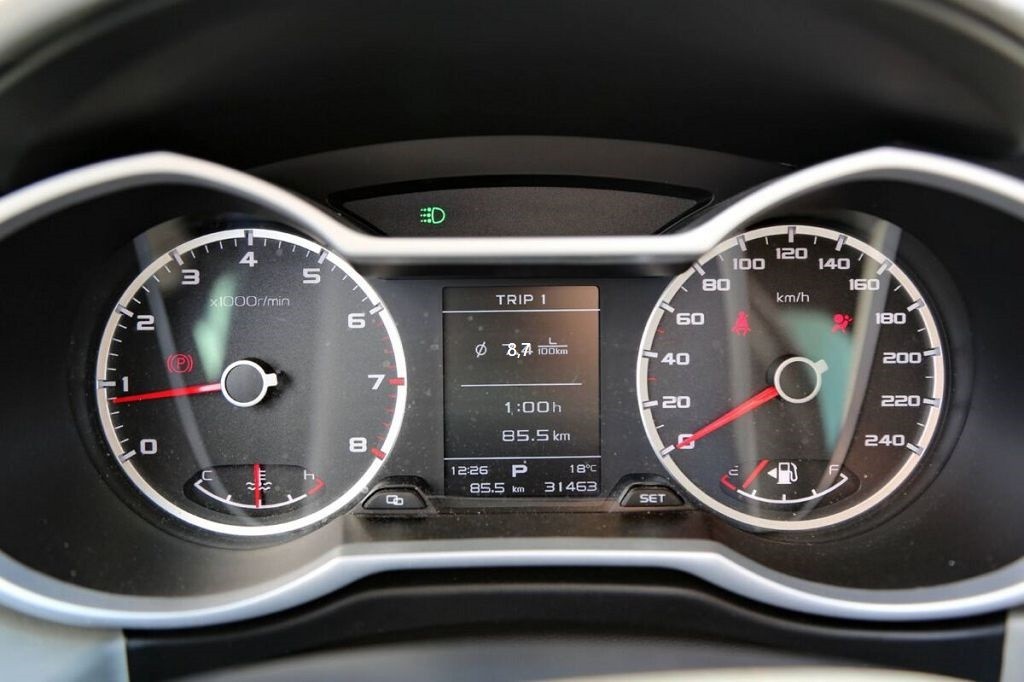
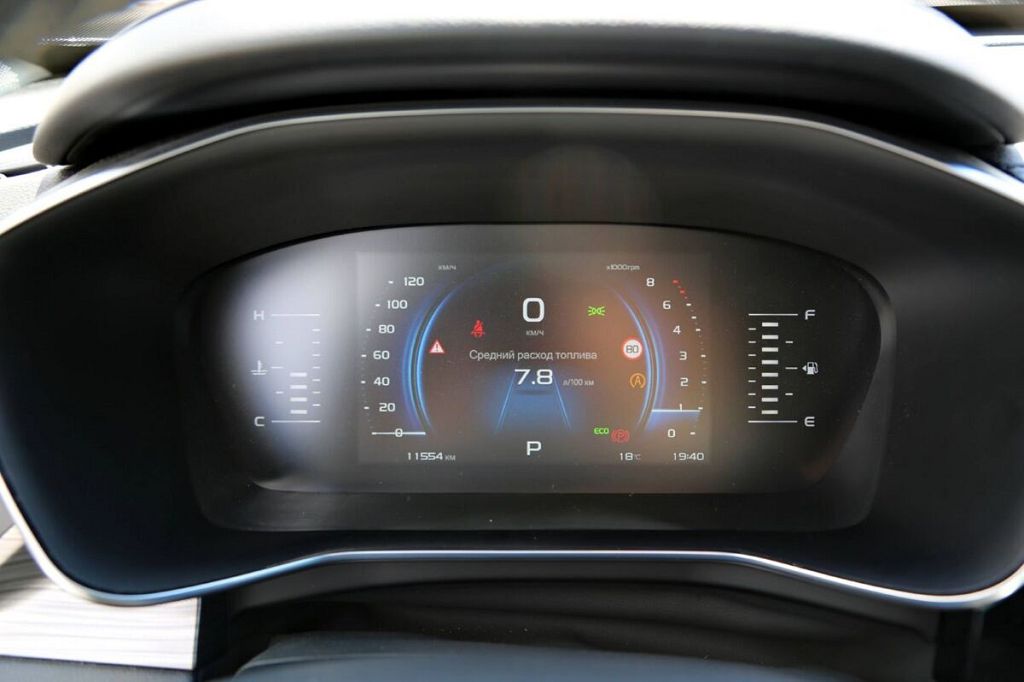
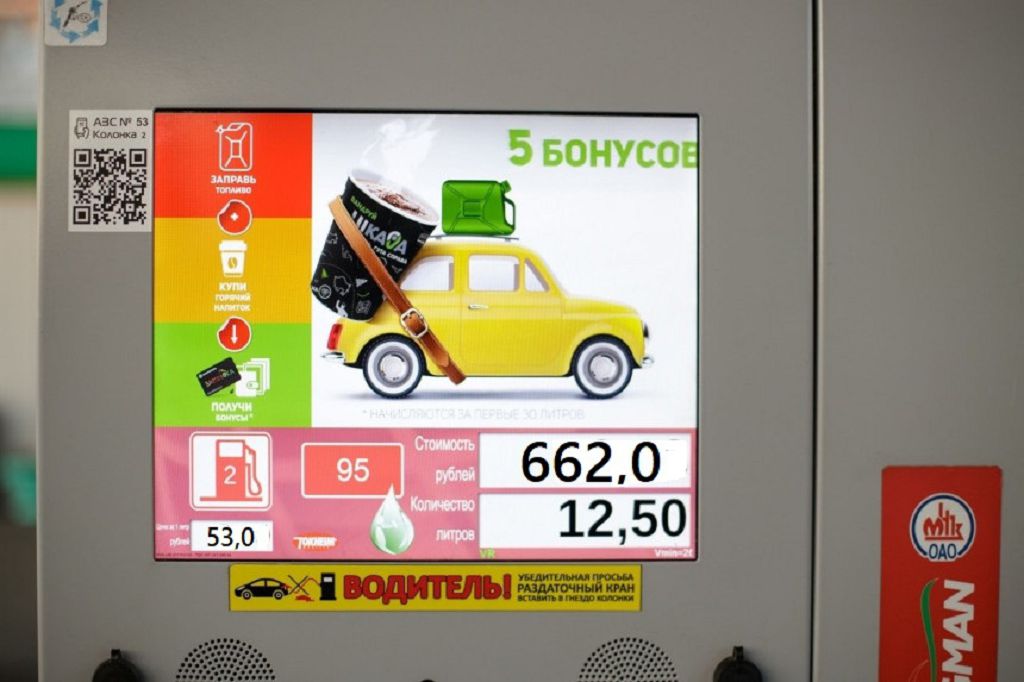
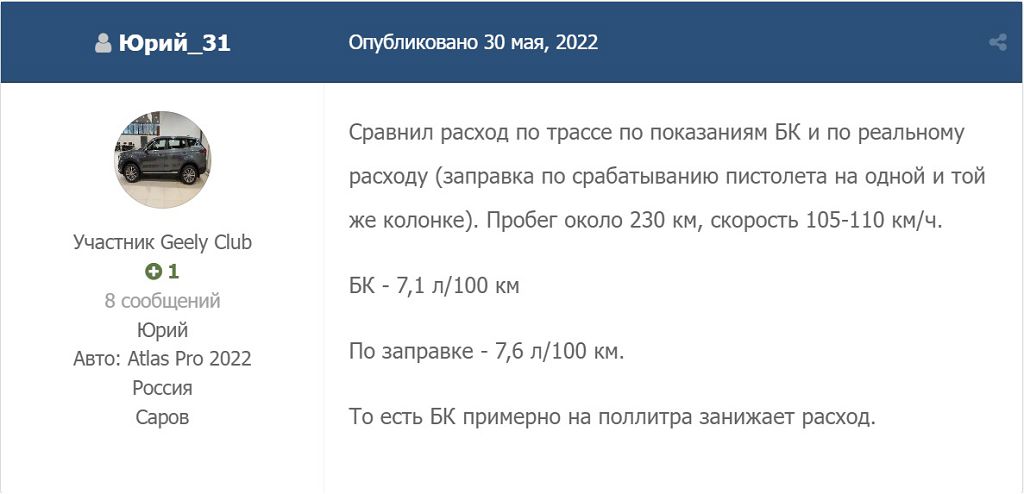
And now, let’s address the elephant in the room: the onboard computer (BC). Why can’t you blindly trust the fuel consumption readings it provides? Well, the BC relies on a number of sensors and calculations to estimate your fuel consumption. These calculations aren’t always perfectly accurate. They can be affected by a variety of factors, including sensor inaccuracies, variations in fuel quality, and even software glitches. The BC is a useful tool for getting a general idea of your fuel economy, but it shouldn’t be considered the definitive answer. To get a truly accurate reading, you need to perform your own calculations by filling up your tank completely, driving a set distance, and then refilling to see exactly how much fuel you’ve used. This is the only way to get a reliable measure of your real-world fuel consumption.
Finally, let’s talk about how you can reduce your fuel consumption. This is something everyone wants to know, right? Well, the most effective way to improve your fuel economy is to adopt a more efficient driving style. This means avoiding aggressive acceleration and braking, maintaining a steady speed, and anticipating traffic flow. Proper tire inflation is also crucial, as under-inflated tires increase rolling resistance and reduce fuel efficiency. Regular vehicle maintenance, including keeping your engine tuned and ensuring your air filter is clean, can also make a noticeable difference. And, of course, consider factors like the weight you’re carrying and the use of air conditioning, as these can all impact your fuel consumption. By focusing on these areas, you can significantly improve your fuel economy and save money in the long run.


- Читайте также: