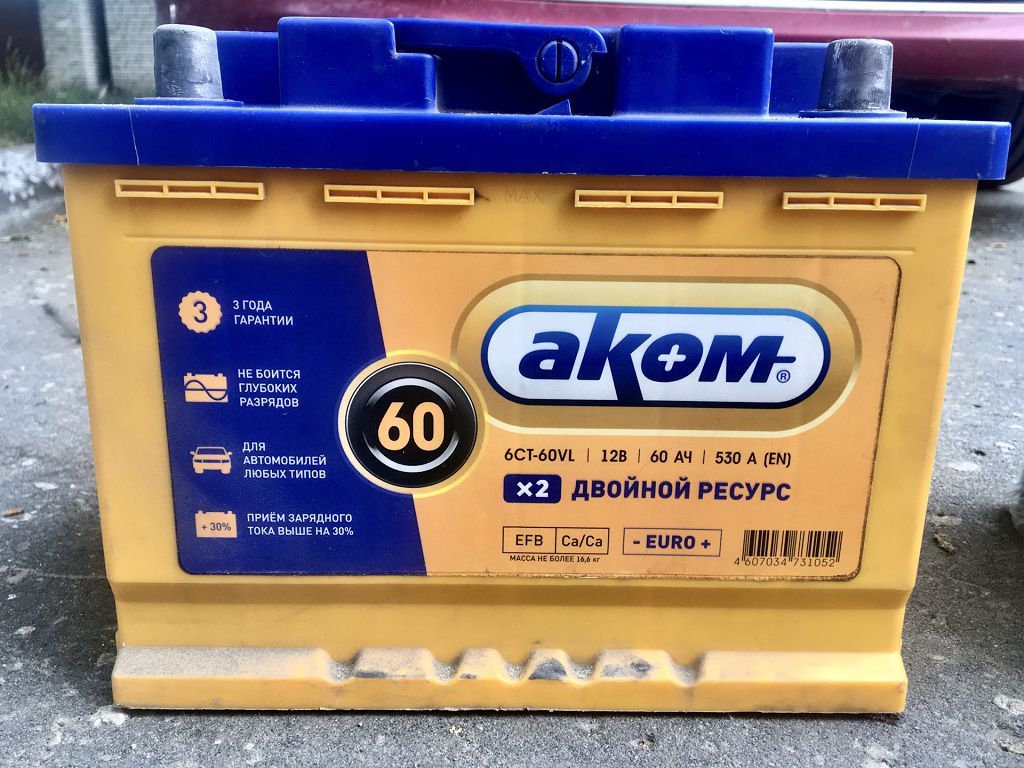
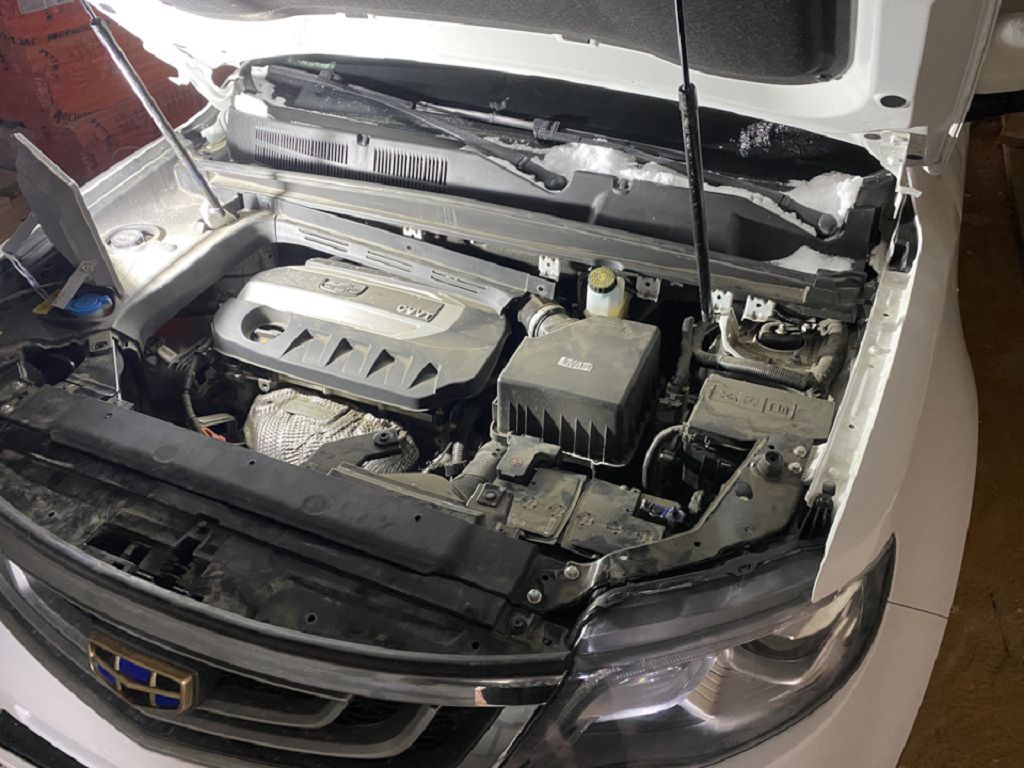
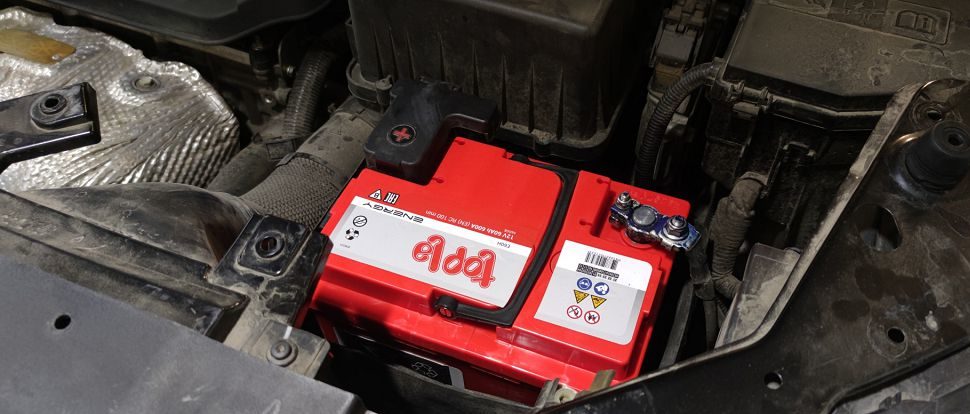
So, let’s dive straight into the heart of the matter: the batteries in our Geely Atlas Pro. We’re talking about the original equipment manufacturer, or OEM, batteries here. These are the batteries that came with your car from the factory, and understanding them is key to understanding any potential issues. They’re usually a specific type and size chosen by Geely for optimal performance and compatibility with the vehicle’s electrical system. Now, the exact specifications – the amperage, voltage, and capacity – will vary depending on the year and trim level of your Atlas Pro. You’ll find this information in your owner’s manual, or you can often find it online through various Geely resources or forums. It’s worth taking the time to look this up, because knowing your battery’s specifics can be really helpful if you ever need a replacement. Think of it as knowing the vital stats of a key component of your car.
Now, a common problem many Geely Atlas Pro owners report is trouble with the auto-start function. This often stems from a low battery. It’s frustrating, right? You go to start your car, and nothing happens. Or maybe the auto-start just refuses to engage. Before you panic, let’s explore the potential culprits. A low battery is a prime suspect, and there are several reasons why your battery might be losing its charge. One common cause is simply leaving accessories on – headlights, interior lights, the radio – when the car is off. This drains the battery over time, especially if you’re not driving the car regularly. Another possibility is a parasitic drain, meaning there’s something in your car’s electrical system that’s constantly drawing power even when the car is turned off. This could be a faulty component, a short circuit, or even a malfunctioning alarm system. Identifying the source of this drain can be tricky, and sometimes requires a professional mechanic to diagnose. It’s also worth considering the age of your battery. Batteries have a limited lifespan, and as they age, their capacity to hold a charge diminishes. If your battery is several years old, it might simply be time for a replacement.
And that brings us to the question many of you are probably asking: who or what is «stealing» the battery current? It’s not a mischievous gremlin, I promise! The answer is usually one of the issues I just mentioned: parasitic drain, leaving accessories on, or simply an aging battery. Finding the culprit requires a systematic approach. Start by checking for any obvious drains – are your lights off? Is the radio turned off? If everything seems fine, then it’s time to consider a more in-depth investigation, perhaps with the help of a mechanic who can use specialized tools to pinpoint the source of the drain. Remember, a healthy battery is crucial for the proper functioning of your Geely Atlas Pro, and addressing any issues promptly can save you from a lot of frustration down the road.
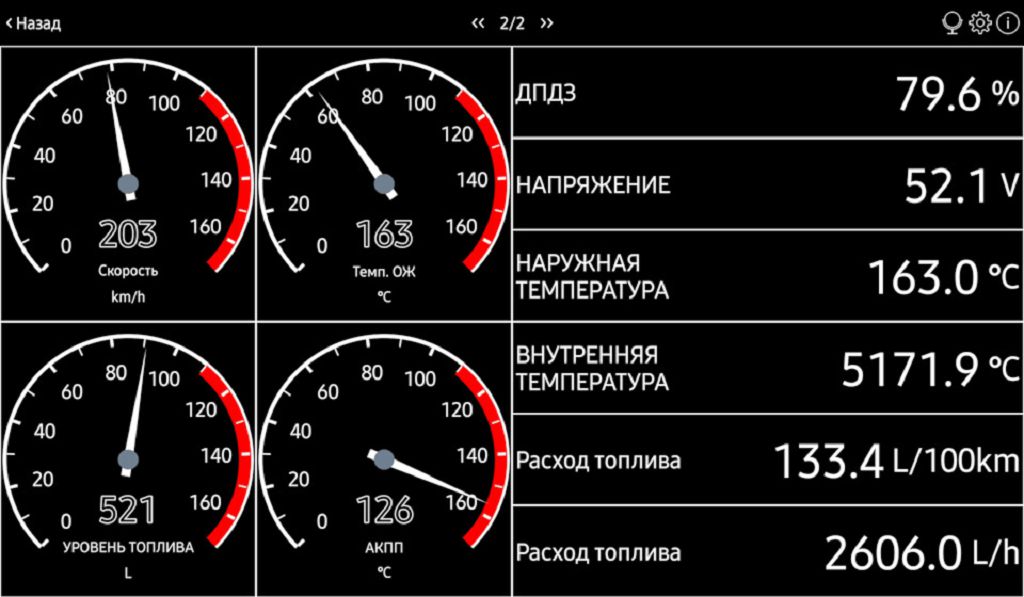
Okay, let’s dive straight into this Geely Atlas Pro battery mystery! First things first, we need to figure out how to measure the onboard voltage. This isn’t as straightforward as it sounds, because you can’t just stick a multimeter directly onto the battery terminals like you would with a car battery. The Geely Atlas Pro, like many modern vehicles, has a sophisticated battery management system (BMS). This system controls charging, discharging, and overall battery health. To accurately measure the voltage, you’ll need to access the BMS data. This usually involves using a specialized OBD-II scanner, and not just any cheap one from Amazon. You’ll need one that can read extended data parameters, specifically those related to the battery. I’ll show you exactly which scanner I use and what parameters to look for in the video. We’ll be looking for things like cell voltage, overall pack voltage, and current draw. This will give us a much clearer picture of what’s going on. Remember, safety first! Always disconnect the negative terminal of the main battery before working on any electrical components.
Now, let’s talk about battery replacement. This is a more involved process than simply swapping out a standard car battery. Because of the BMS and the high-voltage system, it’s not a DIY job for the average person. You’re dealing with potentially dangerous voltages, and if you’re not careful, you could seriously injure yourself. The battery itself is a complex unit, often integrated into the vehicle’s structure. It’s not just a simple swap-in, swap-out situation. You’ll likely need specialized tools and a good understanding of the vehicle’s electrical system. I strongly advise against attempting this yourself unless you have extensive experience working with high-voltage systems in automobiles. A qualified mechanic or a Geely dealership is the best option for a safe and proper battery replacement. We’ll be looking at the process in detail, showing you what’s involved, and highlighting the potential pitfalls to avoid. We’ll also discuss the cost implications, because let’s be honest, replacing a battery in a modern hybrid or electric vehicle is not cheap.
Finally, let’s address the question of who «steals» the battery current. This is where things get interesting. It’s not necessarily a case of a single component «stealing» the current, but rather a matter of understanding the energy consumption of various systems within the vehicle. By monitoring the voltage and current draw using the OBD-II scanner, we can pinpoint which systems are consuming the most power. This could be anything from the infotainment system to the climate control, or even parasitic draws from components that remain active even when the vehicle is turned off. We’ll analyze the data we collect to identify potential culprits and discuss strategies for improving battery efficiency. We’ll also look at the impact of driving style and habits on battery life and overall energy consumption. Remember, understanding your vehicle’s energy usage is key to maximizing its performance and longevity.