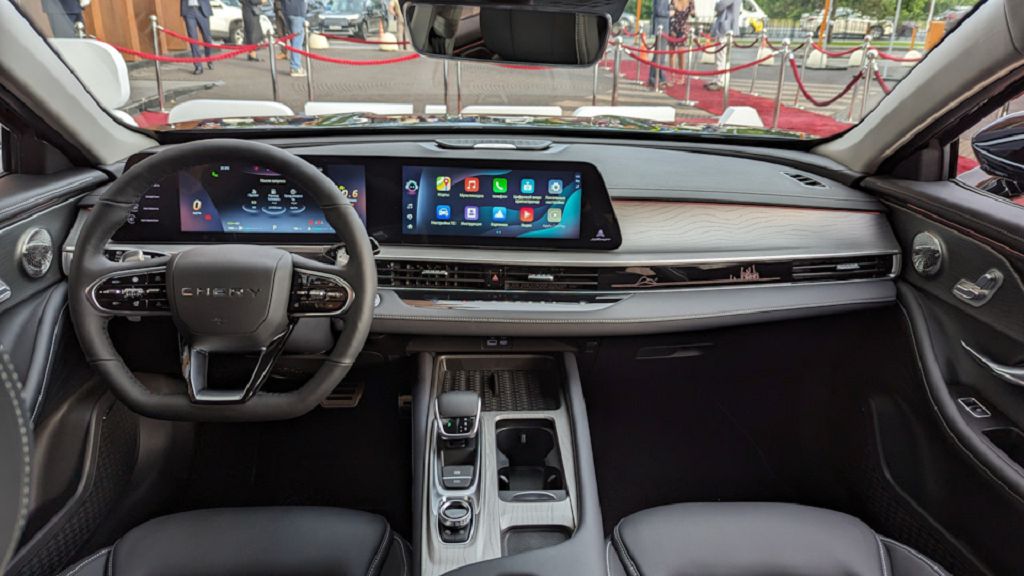
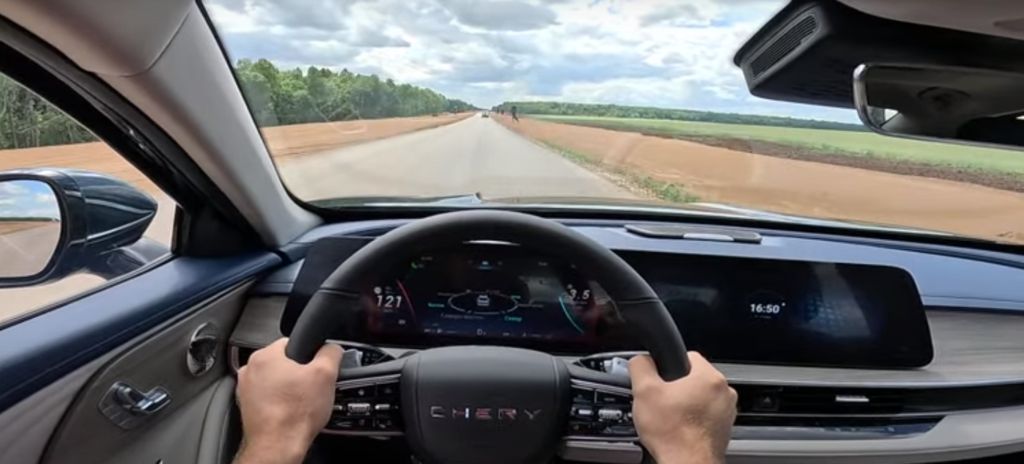
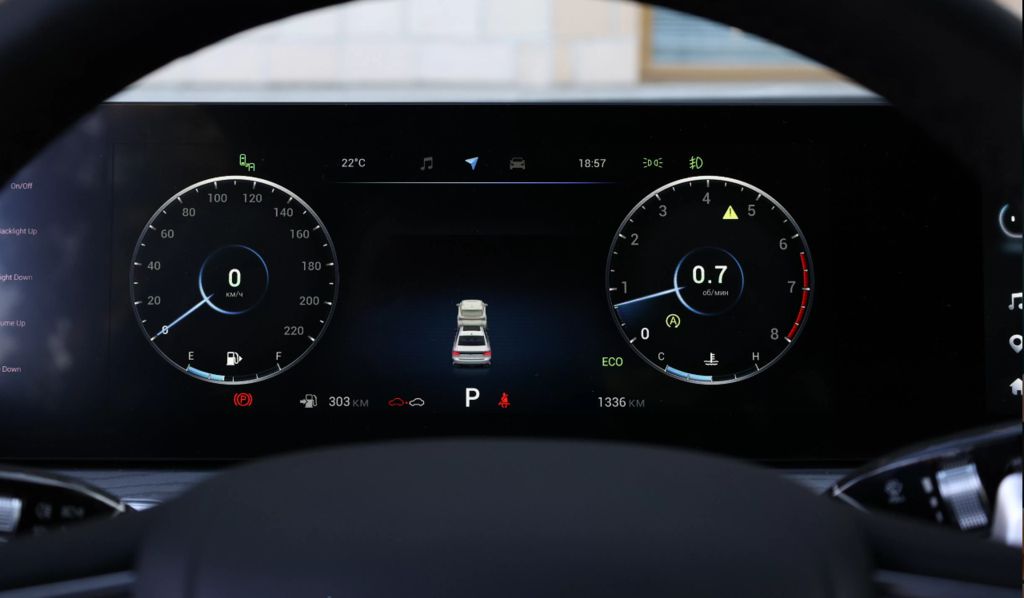
So, let’s dive straight into the Chery Arrizo EIGHT’s instrument panel. One of the first things I wanted to check was whether there are any functional differences between the various trim levels. Now, I spent a good amount of time comparing the base model to the top-spec version, and honestly, the core functionality remains pretty consistent. You’re getting the same basic digital display across the board, showing your speed, RPMs, fuel level, and all the usual suspects. However, there are some subtle differences in the level of customization you get, which we’ll get to in a minute. The biggest difference I noticed wasn’t in the core functionality, but rather in the quality of the materials used around the display itself. The higher trim levels definitely feel a bit more premium, with softer-touch plastics and a more refined overall look. But in terms of what the screen actually does, it’s remarkably similar across the range.
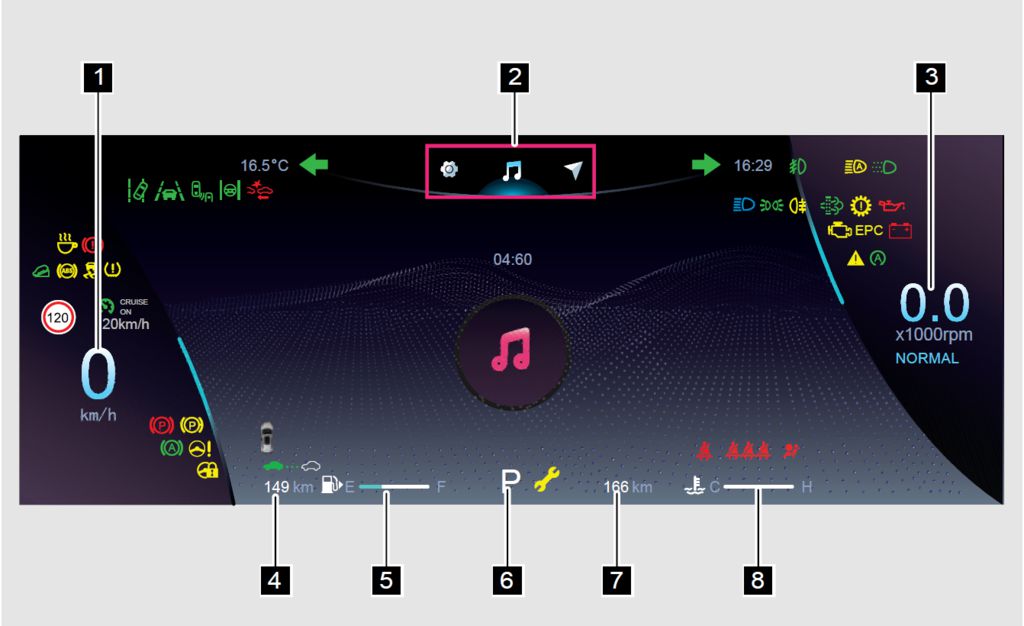
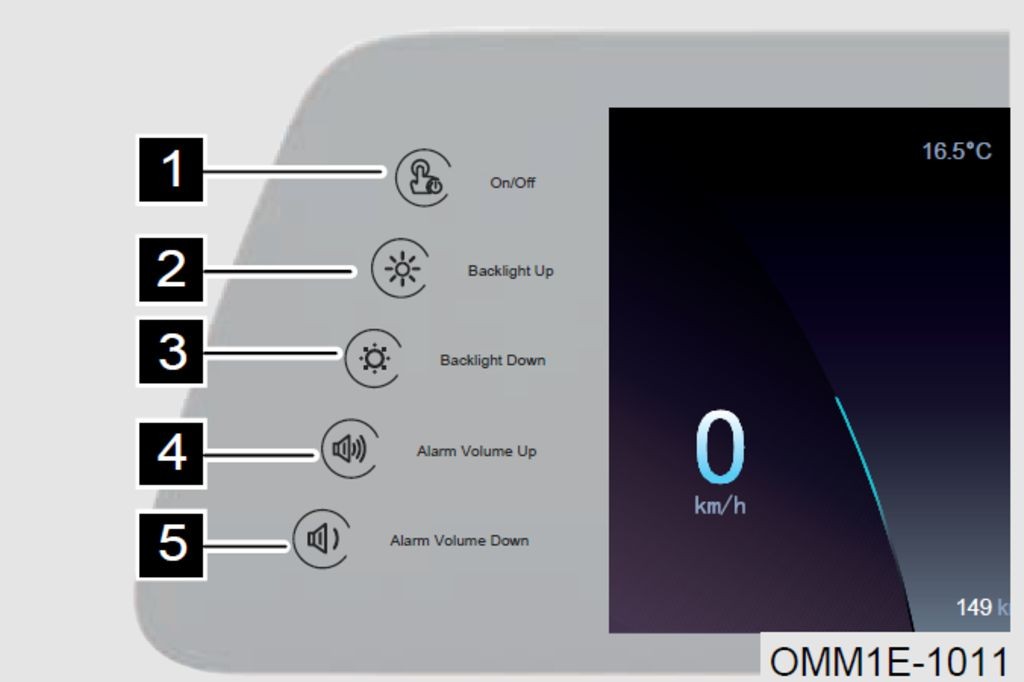
Now, let’s talk about the instrument panel itself. It’s a fully digital display, and I have to say, it’s pretty sharp and clear. The graphics are modern and easy to read, even in bright sunlight. I really appreciate the size of the display; it’s large enough to show all the necessary information without feeling cluttered. The fonts are crisp and well-spaced, making it easy to quickly glance down and see your speed or RPMs without having to squint. One thing I did notice, though, is that the brightness adjustment could be a little more sensitive. Sometimes, even at its lowest setting, it felt a bit too bright at night. It’s not a huge deal, but it’s something to keep in mind. Beyond the core information, you also get a clear display of your fuel economy, trip information, and various warning lights. Everything is well-organized and intuitive to navigate.
Finally, let’s get into the customization options. This is where things get a bit more interesting. The Arrizo EIGHT’s instrument panel offers a decent level of personalization. You can change the theme, choosing from a few different color schemes and display styles. I found the options to be quite pleasing to the eye, and it’s nice to be able to tailor the look to your personal preference. Beyond the aesthetics, you can also customize what information is displayed prominently. For example, you can choose to prioritize fuel economy data, or perhaps focus more on trip information. The customization isn’t overly extensive, but it’s enough to allow you to personalize the experience to a degree. However, I did find the menu system a little bit clunky at times. Navigating through the different settings wasn’t always the most intuitive experience, and it took me a few tries to get used to it. It’s not a major flaw, but it could definitely be improved. Overall, though, the customization options are a welcome addition and add a nice touch of personalization to the driving experience.
Okay, let’s dive straight into the Chery Arrizo EIGHT’s instrument panel. The information display itself is pretty impressive. It’s a fully digital setup, which is fantastic, and it’s crisp and clear, even in bright sunlight. I was particularly impressed with the level of detail you get – everything from your speed and RPMs to fuel economy, tire pressure, and even trip information is presented in a very intuitive way. You can easily customize what information is prominently displayed, which is a huge plus. There’s a lot of data packed into this screen, and it’s all easily accessible without being overwhelming. I found myself constantly glancing at it, not just for essential driving information, but also to check out the various customizable features. The resolution is excellent, and the graphics are sharp and modern, which adds to the overall premium feel of the interior. It’s definitely a step up from what you might find in some similarly priced vehicles.
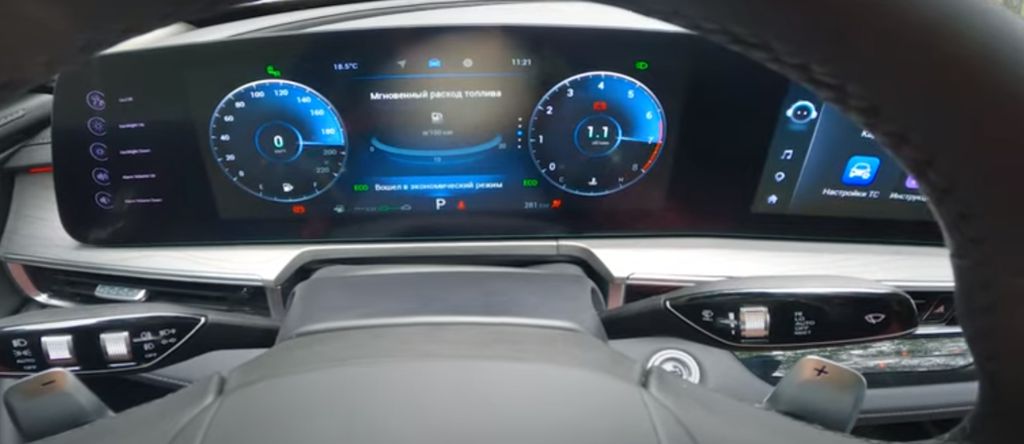
Now, let’s talk about selecting a design theme. The Arrizo EIGHT offers several different themes, and this is where things get really interesting. You can switch between them easily through the steering wheel controls, and each one offers a completely different look and feel. Some are more minimalist, focusing on essential information, while others are more visually striking, with vibrant colors and dynamic animations. I spent a good amount of time cycling through them all, just to see the variety. It’s a nice touch that adds a level of personalization that you don’t always find in this segment. It’s not just a superficial change either; the different themes subtly alter the way information is presented, making it easier to focus on what’s important depending on your driving style or preferences.
The differences between these design themes are more than just skin deep. It’s not just about different colors; the layout of the information changes as well. For example, in one theme, the speedometer might be larger and more prominent, while in another, the fuel economy information takes center stage. Some themes prioritize a sporty look, with aggressive fonts and red accents, while others opt for a more classic and understated aesthetic. I found that the different themes actually impacted my driving experience in subtle ways. For instance, the sportier themes seemed to encourage a more spirited driving style, while the more minimalist themes helped me focus on fuel efficiency. It’s a clever design choice that goes beyond simple aesthetics.
My first impressions of the instrument panel were overwhelmingly positive. The screen is bright, responsive, and packed with features. The customization options are extensive, and the overall design is modern and sleek. However, and this is important, there are a few minor drawbacks. The menu system, while intuitive for the most part, can be a little fiddly at times. Navigating through the various settings requires a bit of getting used to, and I did find myself accidentally selecting the wrong option a couple of times. Also, while the graphics are generally excellent, there are a few instances where the animations feel a little jerky or laggy. It’s not a major issue, but it’s noticeable enough to mention. Overall though, the positives far outweigh the negatives. It’s a fantastic instrument panel, and a real highlight of the Arrizo EIGHT’s interior.