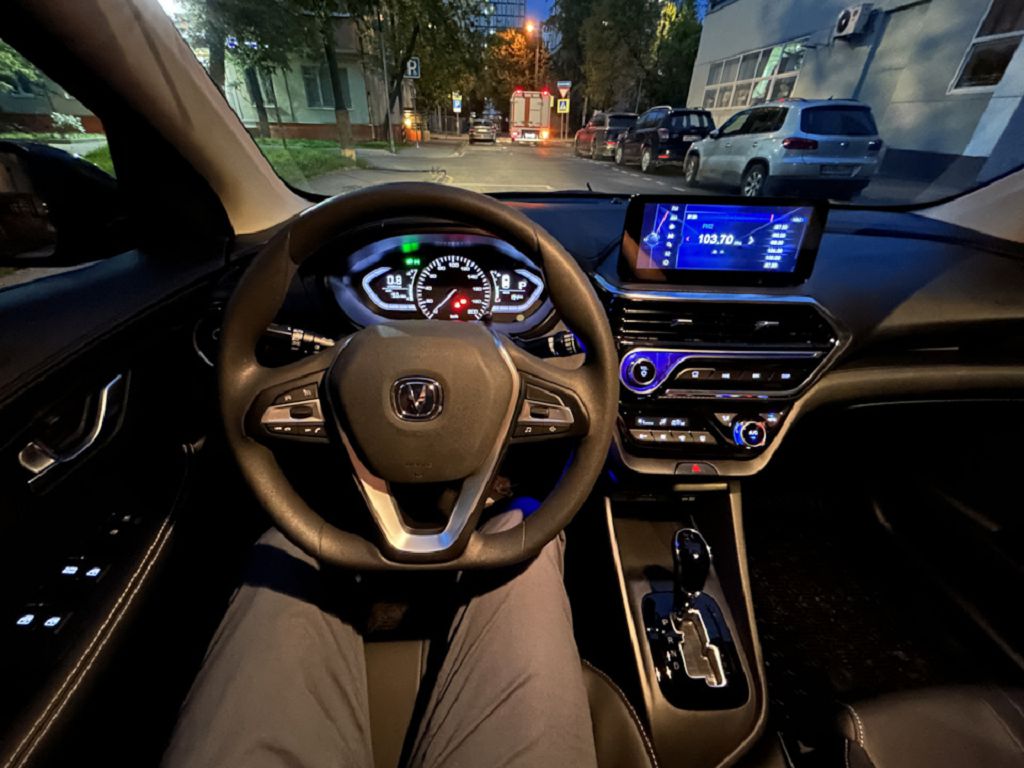
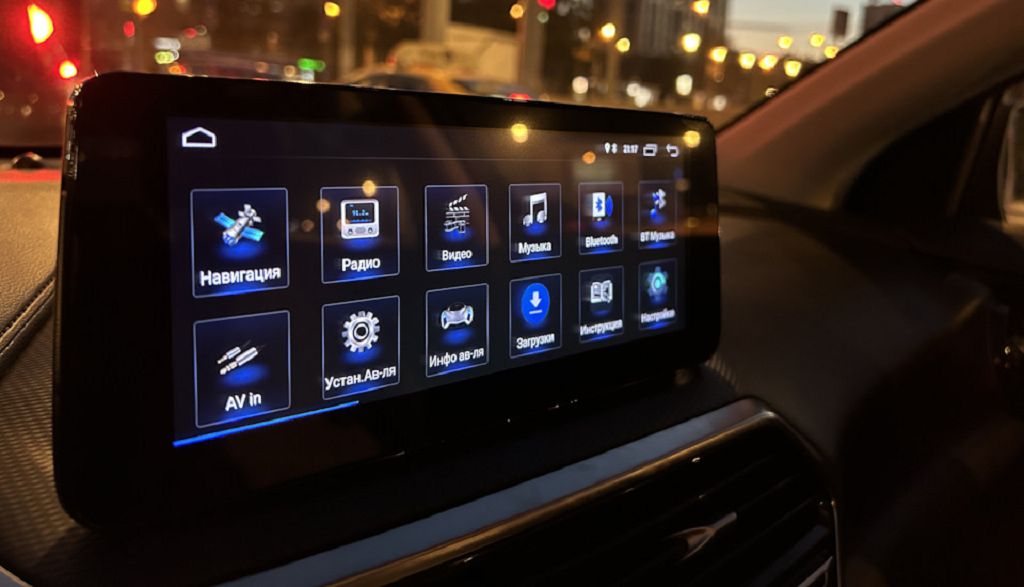
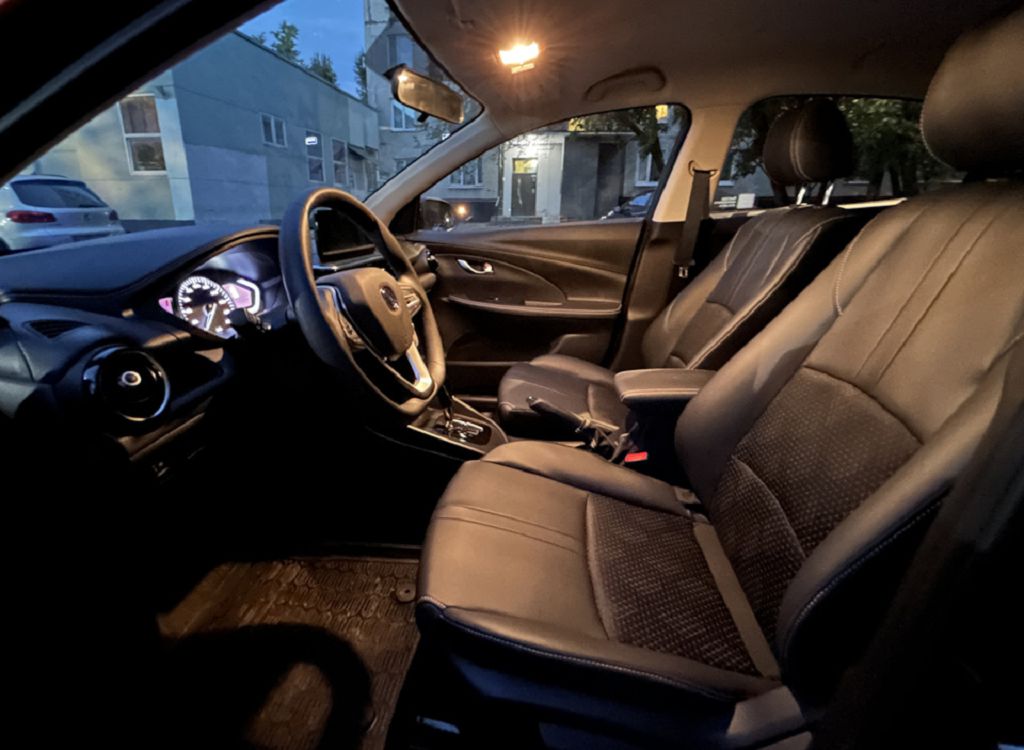
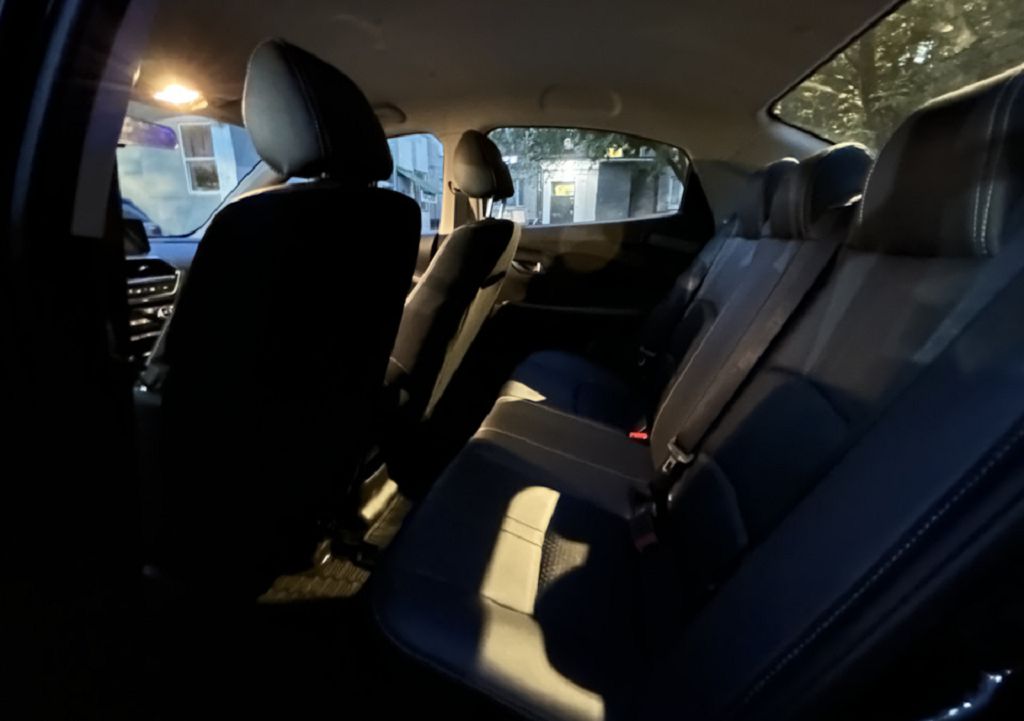
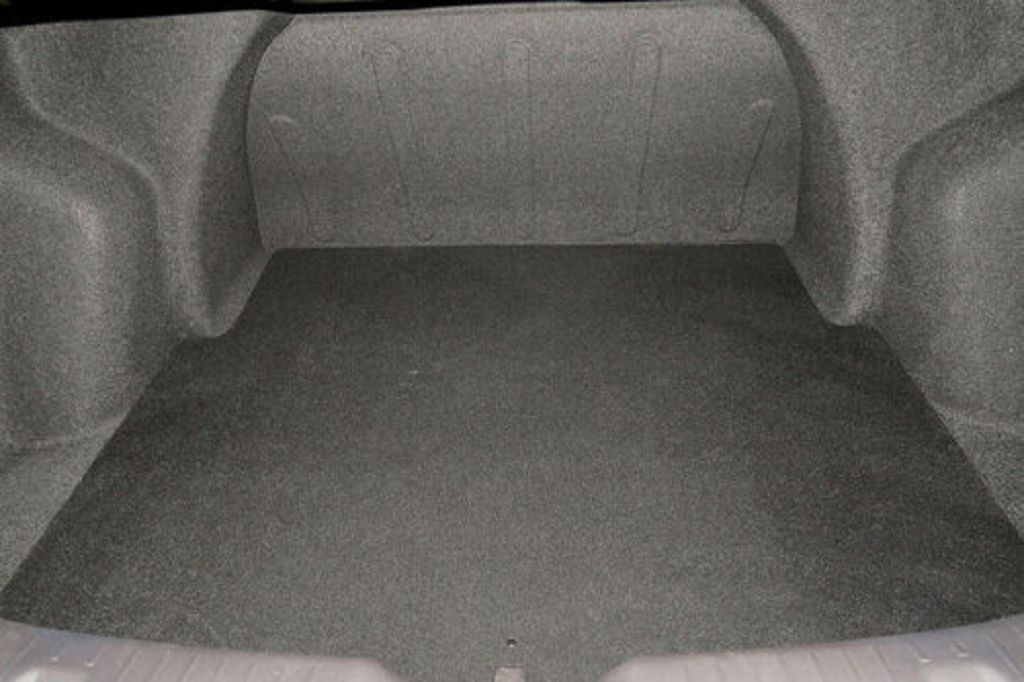
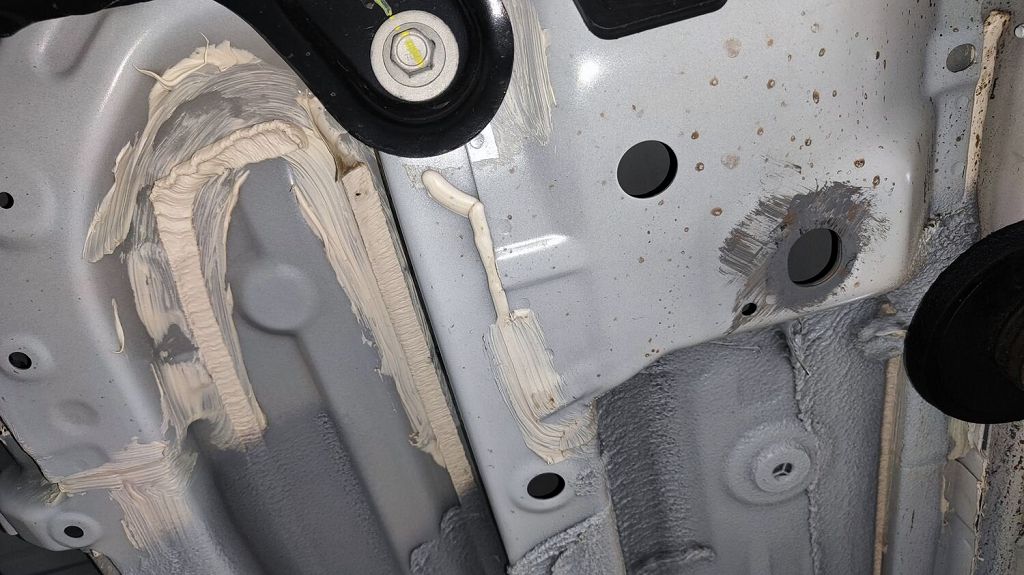
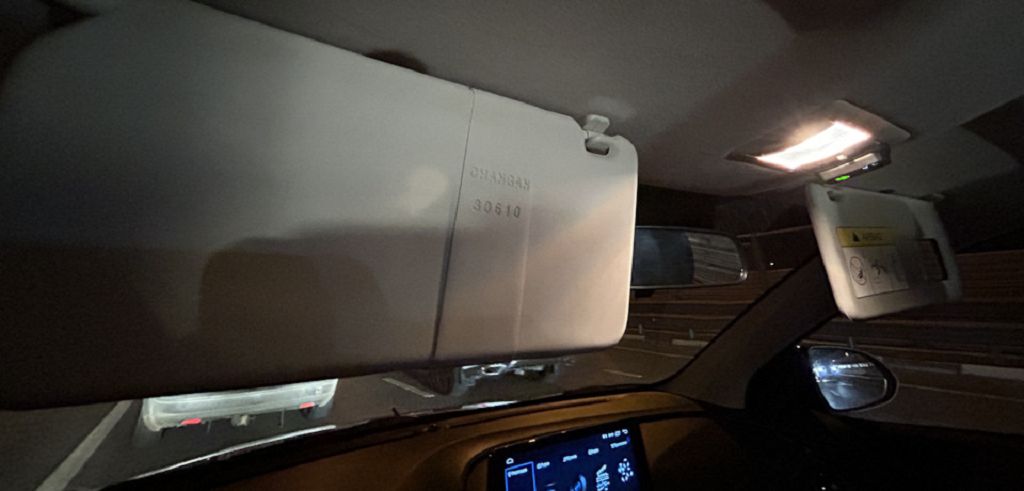
Hey everyone, let’s dive into some of the recurring complaints I’ve seen from Changan Alsvin owners regarding their cars. One of the most frequently mentioned issues is the feeling that the car’s build quality, particularly concerning the doors and panels, is somewhat flimsy. Many owners describe it as feeling like a «tin can,» meaning that the materials don’t feel particularly robust or well-insulated. This isn’t just a subjective feeling; several reviews mention noticeable vibrations and rattles at higher speeds, suggesting a lack of rigidity in the chassis. Some even report issues with panel gaps being inconsistent, hinting at potential problems during the manufacturing process. This isn’t to say the car is falling apart, but the perceived lack of solidity is a common point of frustration for owners. You’ll often find comments about how the doors feel light and thin, and how the overall sound insulation is lacking, leading to more road noise entering the cabin than many would expect. It’s a point worth considering if you prioritize a feeling of substantial build quality in your vehicle.
Another significant concern that pops up repeatedly in owner reviews is the car’s handling and overall balance. Many describe the Alsvin as feeling unbalanced, particularly during cornering or when navigating uneven roads. This isn’t necessarily a safety issue for all driving conditions, but it’s a noticeable characteristic that detracts from the overall driving experience. Several owners mention a tendency for the car to feel unstable at higher speeds or when encountering sudden changes in road surface. The feeling of a lack of control, or at least a less confident feeling of control, is a recurring theme. Some attribute this to the suspension setup, suggesting it might be too soft or not adequately tuned for the car’s weight distribution. Others point to the steering feel, describing it as lacking precision or feedback, making it harder to place the car accurately on the road. This unbalanced feeling is something potential buyers should definitely be aware of and perhaps even test drive to see if it aligns with their preferences. It’s a subjective experience, of course, but the consistent feedback from owners suggests it’s a noteworthy characteristic of the Alsvin. The combination of the perceived flimsy build and the unbalanced handling seems to be a major factor in the overall impression some owners have of the vehicle. It’s not necessarily a deal-breaker for everyone, but it’s certainly something to keep in mind.
Hey everyone, let’s dive into some of the downsides of the Changan Alsvin, based on what real owners are saying. We’re going to focus on the issues that seem to pop up most frequently.
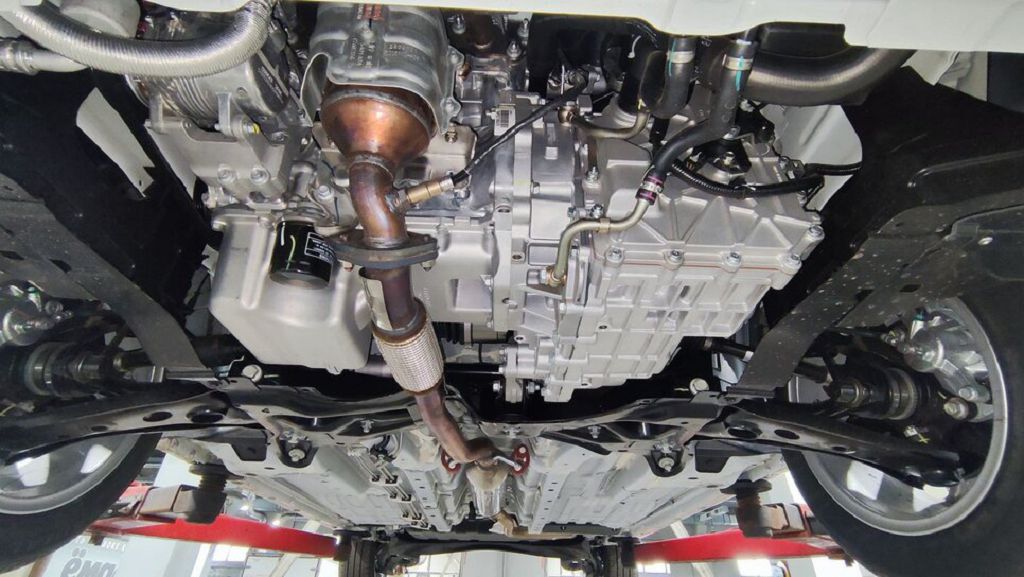
First up, and this is a big one for many, is the car’s adaptation, or rather, lack thereof, to Russian conditions. Now, Russia has notoriously harsh winters, with heavy snow and ice, and some pretty rough roads in many areas. Owners report issues with the Alsvin’s ground clearance being a bit too low for some of these conditions. Getting stuck in snow or scraping the undercarriage on uneven roads seems to be a common complaint. We’re not just talking about occasional minor scrapes either; some owners describe more significant damage resulting from the low ride height. Beyond the ground clearance, the overall build quality, according to some reviews, doesn’t seem to be quite robust enough to handle the constant pounding from those rougher roads. There are mentions of rattles and squeaks developing sooner than expected, suggesting perhaps a less durable construction than some owners would prefer, especially given the conditions they’re driving in. So, if you live in a region with challenging road conditions, this is definitely something to consider carefully.
Next, let’s talk about fuel economy. While the Alsvin is marketed as an economical car, many owners, even those with the top-of-the-line model, report that the fuel efficiency isn’t quite as impressive as advertised. Now, this can vary depending on driving style and conditions, of course, but several reviews mention consistently lower-than-expected fuel economy figures. This is particularly disappointing for those who purchased the car specifically for its advertised fuel efficiency. Some owners have even reported needing to fill up more frequently than anticipated, leading to higher running costs than they’d originally budgeted for. It’s worth noting that this isn’t a universal experience, but it’s a recurring theme in enough reviews to warrant mentioning. It seems the real-world fuel economy might not always live up to the expectations set by the manufacturer’s claims, especially in certain driving situations or with specific driving habits. So, if fuel economy is a top priority for you, it might be wise to do some extra research and perhaps even look at some independent fuel consumption tests before making a decision.